Culebra Cigars: The Twisted Oddity That’s More Serious Than It Looks
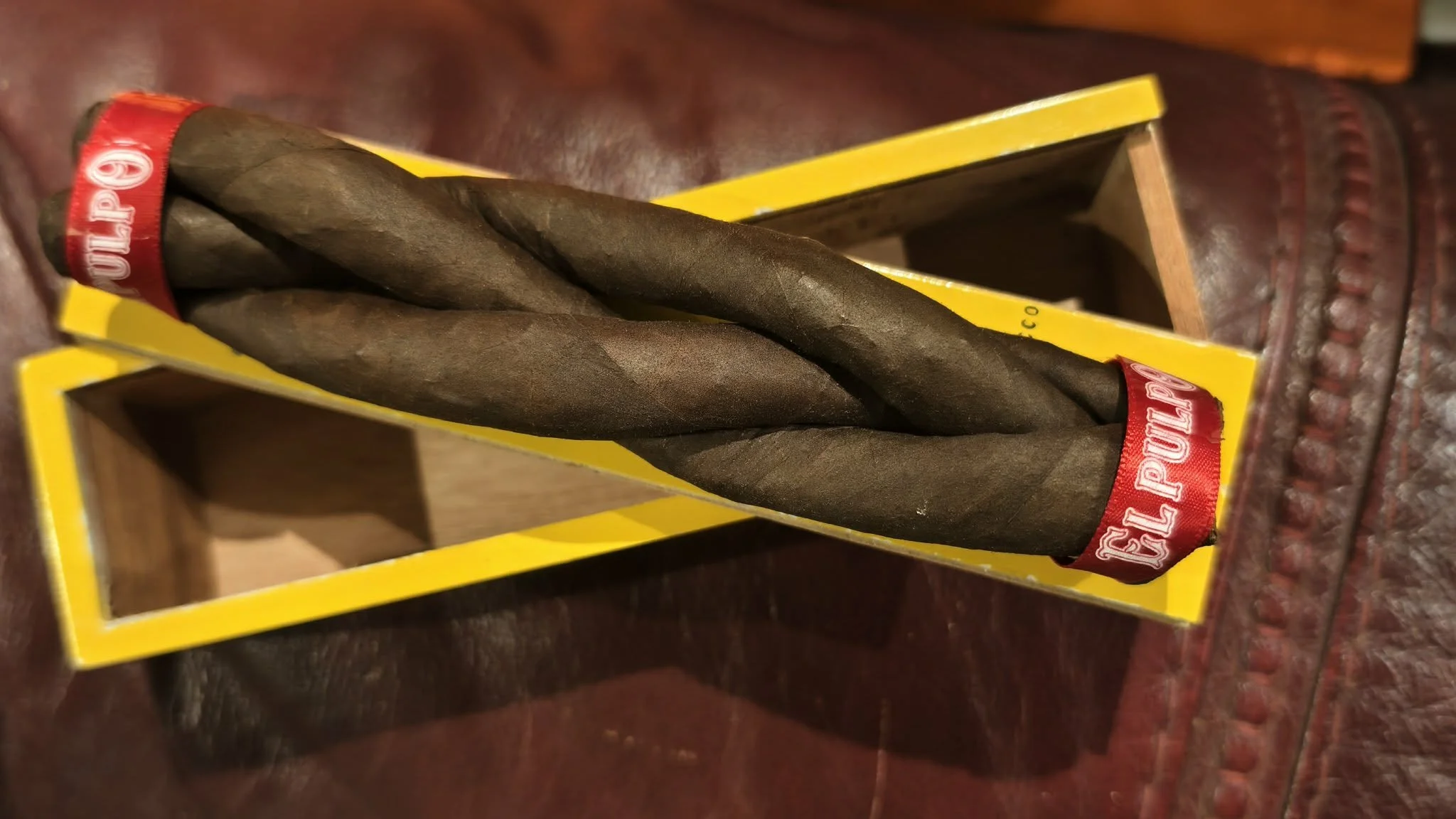
A Culebra is one of those cigar shapes that looks like a novelty until you spend time with it. Three slim cigars braided together, usually tied at both ends, sometimes held with a band that wraps the whole “rope.” The name literally means “snake,” which makes perfect sense the first time you see one on a table.
But here’s the thing: Culebras have survived for a reason. They’re not just a gimmick for photos. They’re a little time capsule of cigar history, a clever practical solution (depending on which origin story you believe), and a genuinely enjoyable way to smoke—especially if you like slim ring gauges and you like the idea of one purchase turning into a shared moment with friends.
In size terms, most Culebras sit in that classic slim lane—often around the 5–6 inch range and roughly the high-30s ring gauge per cigar—so the smoking experience tends to be more focused and direct than the fat modern formats people default to today.
Where Culebras Come From and Why They Exist at All
The first thing to know is that the origin story isn’t one clean, universally agreed fact. It’s more like a few credible theories that all sound plausible because they each match something we know about cigar culture at the time.
One of the most repeated stories is the factory-worker explanation: Culebras were allegedly created so rollers could take their daily allotment home in a shape that was clearly identifiable. The twist made it obvious they weren’t pocketing regular production cigars, and the format also made the bundle awkward to sell “on the side.” That’s the version you’ll hear a lot because it fits the logic of factory life and it explains why the shape is so distinctive.
Another strand of the story pushes the timeline and geography outward, suggesting early roots in the Philippines in the late 1800s, with Culebras later appearing in other markets, including the U.S. in the late 19th and early 20th centuries. Some sources point to named production in the Philippines in the 1880s and references to “twisters” in the U.S. around the same era.
And then you’ll sometimes hear an additional theory layered on top: that twisting thinner cigars together might have been seen as a way to help the tobacco “marry” or mature faster, or at least to protect and carry the cigars conveniently as a single unit. Whether that’s scientifically meaningful is debatable, but as a folk explanation it’s very cigar-world: people have always looked for clever ways to improve readiness and keep cigars stable.
What matters more than picking the “one true origin” is understanding what all these stories have in common. Culebras are a format born out of practicality—identification, portability, control, sharing—and later kept alive because they became charming. They’re a visual signature, and cigar culture loves visual signatures.
Cuba, of course, has its own relationship with the format. The most famous example people point to is Partagás Culebras, a Cuban release that keeps the tradition alive and makes the format feel like something more than a novelty item in modern humidors.
How They’re Made, How to Smoke Them, and Why They Taste Different Than You Expect
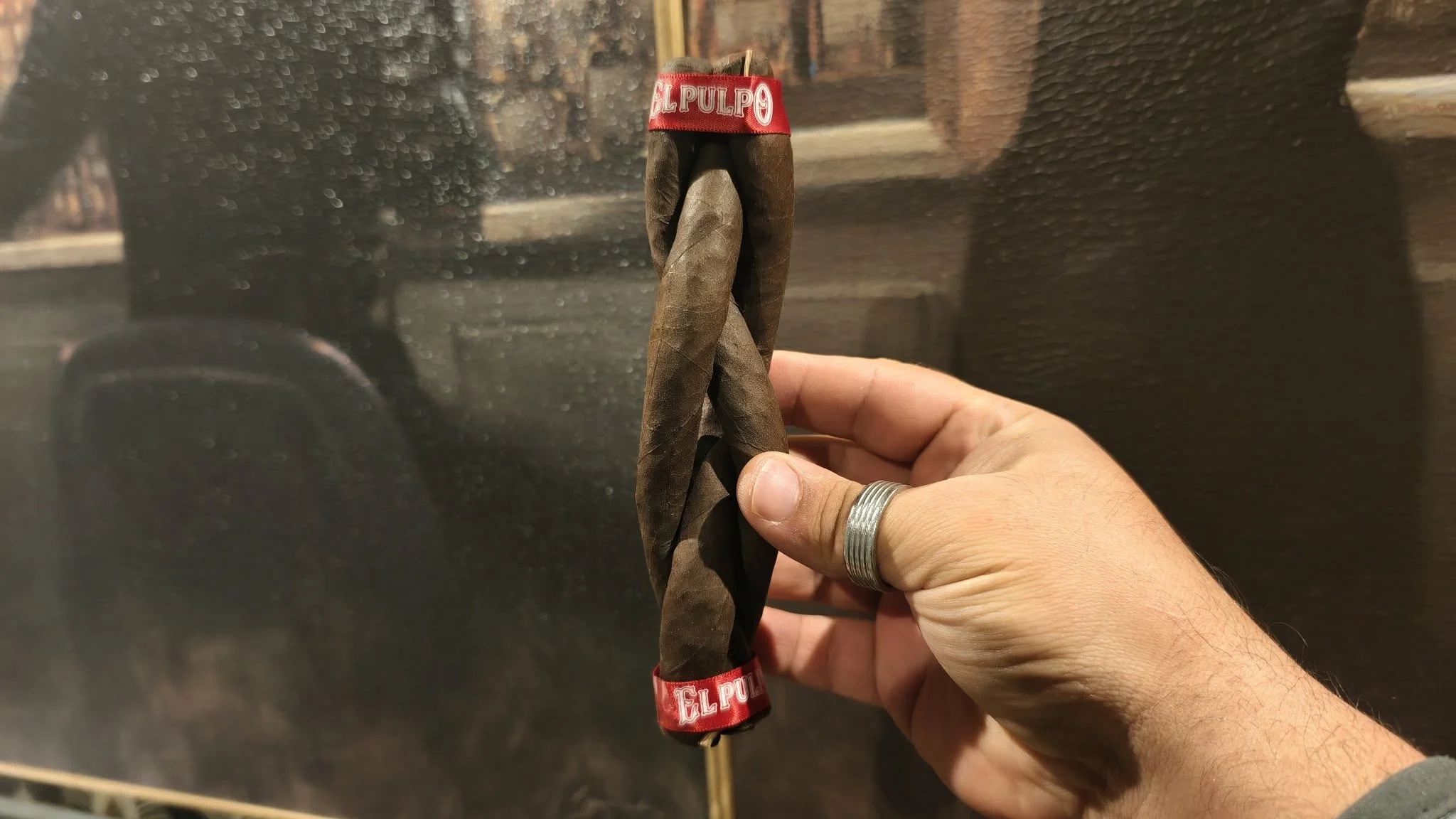
A Culebra is not one cigar twisted into a braid. It’s three separate cigars that are braided together and then secured—often with string at the ends, sometimes with a larger band that holds the trio together.
That distinction matters because it changes how you should treat it. The correct way to smoke a Culebra, in the real-world sense, is to unbind it and smoke the cigars individually. That’s what most experienced smokers do, and it’s also how the format is generally described: it’s essentially three smokes in one bundle, often ideal for splitting with friends.
If you try to smoke it as a braided “mega cigar,” you can do it, but you’re usually choosing difficulty on purpose. Lighting is harder, the burn can become unpredictable, and you end up fighting airflow and heat because you’re not really smoking what the format was designed to be. The Culebra works best as three slim cigars that happened to travel together.
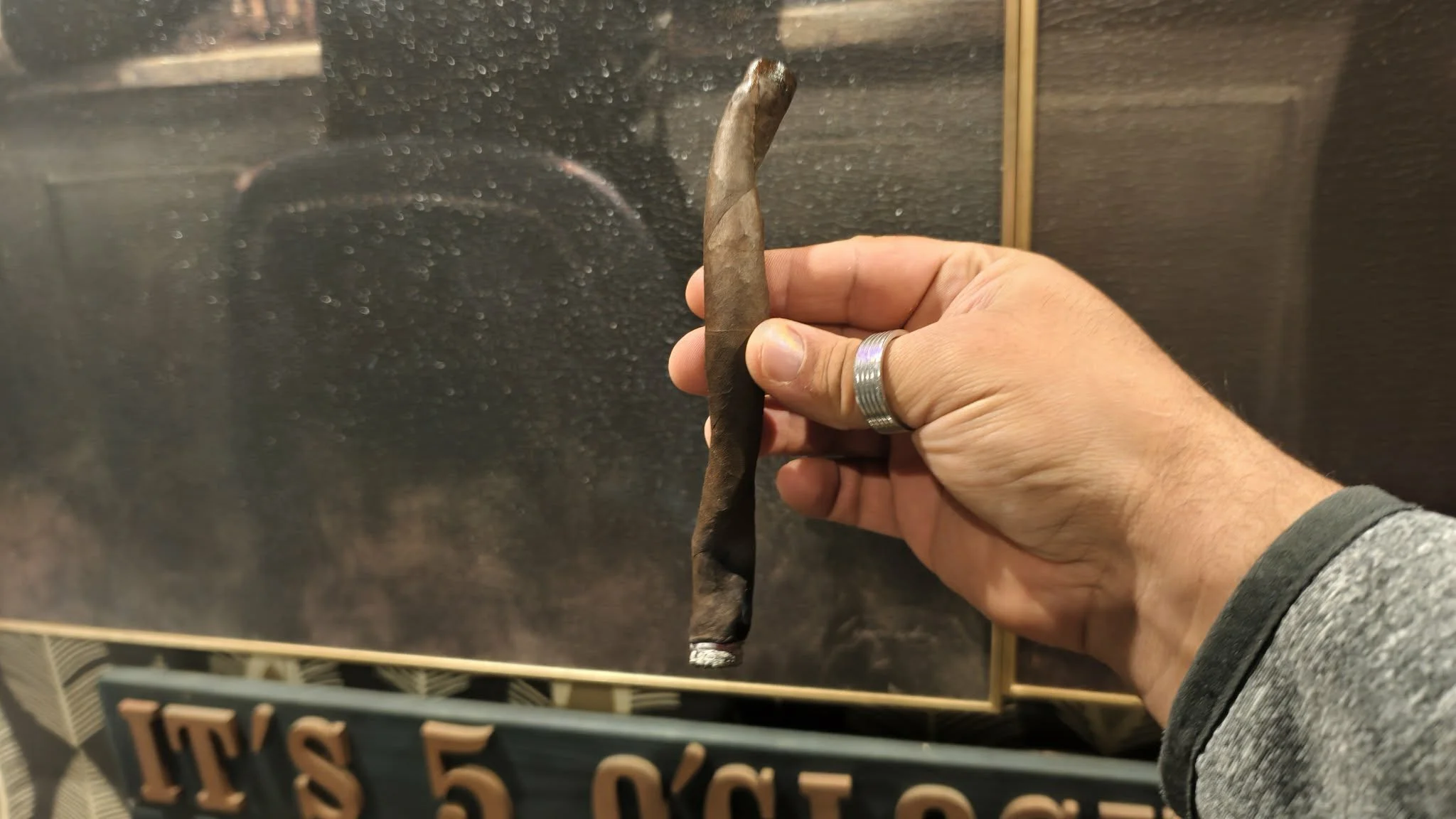
Now, the part most people don’t realise until they actually smoke one: the twist affects the leaf. The cigars often have bends and curves, and that can leave slight marks or pressure lines in the wrapper. It’s not damage in the usual sense, but it can influence how the wrapper burns if you smoke it immediately after unbraiding.
This is why I like a simple habit with Culebras. Once you cut the strings and separate the cigars, don’t rush the light. Let each one relax a bit. You’ll literally feel the cigar wanting to straighten slightly in your hand. That small pause often makes the burn behave more naturally because you’re not forcing the cigar to combust while the wrapper is still “remembering” the twist.
Because most Culebras are slim, they also tend to smoke quicker than a chunky modern format, and they can run hotter if you puff too fast. That’s not a flaw—it’s just the reality of a thinner smoke channel and less mass buffering heat. If you sip them slowly, they can be surprisingly refined. If you attack them like a quick cigarette-style smoke, they’ll punish you with heat and sharpness.
There’s another small truth about Culebras that’s worth saying out loud: many are intentionally a touch underfilled compared with thicker vitolas, because the format needs flexibility to twist without cracking and because the visual is part of the point. That can make the draw feel more open than people expect, and it can make combustion easier once lit—again, provided you don’t overwork it.
Modern makers have also played with the concept beyond the classic “three identical cigars.” You’ll sometimes see versions where the three cigars represent different blends meant to be compared or shared as a tasting set. One well-known example used three different cigars from the same brand family bundled into a Culebra-style trio, turning the format into a miniature flight rather than just a novelty shape.
So the “taste” of a Culebra isn’t magically different because it’s braided. It’s different because the cigars are typically slim, they often smoke with a certain immediacy, and the whole ritual changes your pace. You unbind it, you separate, you choose one, maybe you hand two to friends. That alone changes the mood, and mood changes how we experience flavour.
If you want to store them, you can keep them braided or separate them. Keeping them braided preserves the look and the charm, and it’s how many people enjoy them as a little conversation piece in the humidor. Separating them makes them behave like normal cigars, which can be useful if you’re particular about draw and burn consistency. Either way, the important part is not crushing the bundle—those slim cigars can pick up dings more easily than thicker sticks.
In the end, a Culebra is one of the most “cigar culture” formats that exists. It’s history you can hold, it’s a ritual that slows you down, and it’s a built-in invitation to share. And that’s why I think they’ve lasted. Not because they’re the most practical cigar to smoke every day, but because once in a while, cigars aren’t supposed to be practical. They’re supposed to be memorable.