The Rise of Short-Smoke Cigars: When You Don’t Have an Hour
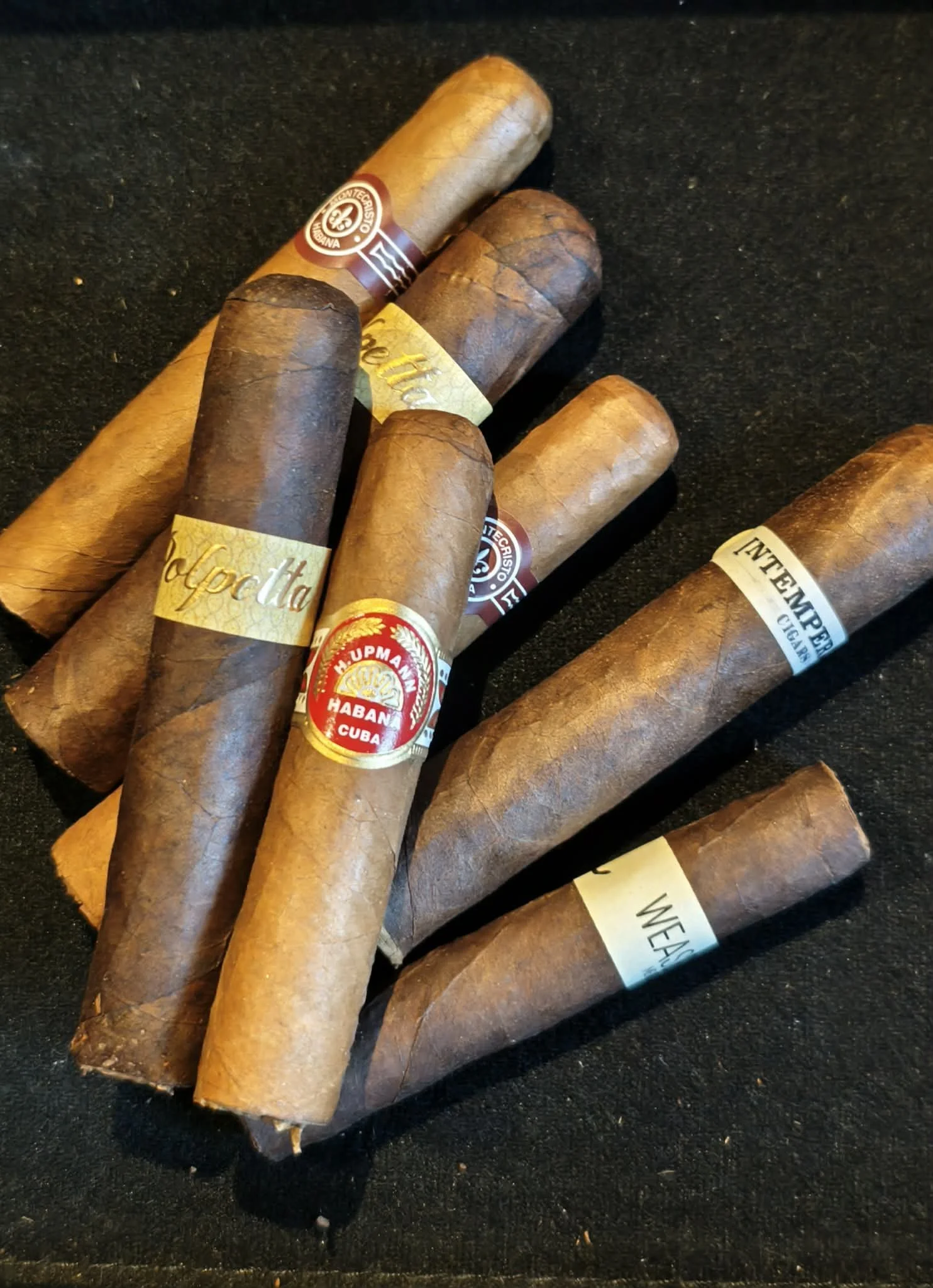
Not every cigar has to be a commitment. That sounds obvious, but for years the culture around premium cigars often behaved like the “serious” smoke had to be long, wide, and impossible to fit into normal life. Big churchills, fat toros, gordos that needed a clear evening and a forgiving ashtray. That still has its place, but real life has changed. People are working later, commuting differently, ducking outside between responsibilities, or simply wanting a proper cigar without handing over an entire hour and a half.
That’s exactly why short-smoke cigars feel more relevant than ever. Retail categories for “20–40 minute cigars” and “15 minutes or less” are now an established thing, not a novelty, and they’re built around the simple fact that smokers want quality in smaller windows of time. And if you listen to what people actually talk about when they’re not trying to sound romantic, the appetite is obvious. Ask smokers what they reach for when time is tight and the same answers keep coming back: petit coronas, half coronas, short robustos, compact New World parejos, and the occasional mini when the schedule is brutal.
The important part is that “short” no longer automatically means “lesser.” That used to be the lazy assumption. Either a short smoke was treated like an afterthought, or it was confused with the machine-made mini world. But in the premium category, short formats have become their own serious lane. Some of the most respected brands now make short cigars that carry real flavour density, solid construction, and enough complexity to scratch the itch without swallowing your entire evening. Even the mainstream premium press still makes room for these sizes because the format solves a real problem: the smoker who wants a proper cigar, not a shortcut.
For me, the rise of short-smoke cigars isn’t really about modern attention spans. It’s about honesty. Most of us do not always have ninety minutes, a leather chair, and a glass of rum waiting on standby. But we still want the ritual. We still want the first draw, the shift in tempo, the little pocket of stillness a cigar creates. Short cigars make that possible without pretending that time doesn’t matter.
Why Smaller Formats Work Better Than People Think
The old bias against shorter cigars usually comes from people confusing size with seriousness. But cigars don’t work like that. Length affects smoking time, yes. Ring gauge affects how the blend presents. Neither guarantees quality. A well-made petit corona can be more satisfying than a bloated larger cigar simply because it delivers flavour more directly and asks less of your schedule. That’s one reason petit coronas have kept such a loyal following: they’re short enough to be practical, but still substantial enough to feel like a real cigar rather than a compromise. Even older premium commentary on petit coronas makes the same case—they’re short, yes, but they still carry serious flavour and are versatile in a way bigger formats aren’t.
Short robustos do something slightly different. They keep some of the thicker body and blend expression of a robusto, but in a shorter frame that cuts the total time down. That makes them perfect when you want density without committing to a full toro. Retailers are leaning into this logic now, openly grouping short robustos and half coronas as practical “under 40-minute” options that still feel luxurious rather than rushed.
Then you’ve got the really compact formats: minis, puritos, clubs, demi-tasses. These live in a different category because they’re not trying to replicate a full long-form cigar journey. They’re there for a short hit of flavour and a quick reset. Some premium sellers openly describe minis as five-to-ten-minute smokes, which tells you exactly what role they’re expected to play. I don’t personally think of them as replacements for a proper cigar; I think of them as a separate tool. Great when you truly only have a brief window, but not what I reach for when I want development, texture, and that full middle-third moment.
The other thing smaller cigars do well is remove the guilt factor. There’s something mentally easier about lighting a 25-minute cigar on a weekday. A churchill can feel like a declaration of intent. A short robusto feels like a smart decision. That matters more than people admit. Smokers are far more likely to enjoy a cigar when it fits the moment rather than fights it.
Now, none of this means short smokes are flawless. Small cigars can burn hotter if you puff too fast. They often demand a bit more discipline because they have less body mass to buffer heat. A hurried smoker can ruin a petit corona much faster than they can ruin a thick toro. But that’s not a weakness of the format. That’s just the trade-off. In exchange for speed, you get a narrower margin for error. Smoke them calmly and they reward you. Rush them and they’ll punish you.
This is also why the best short-smoke cigars are usually the ones built with intention, not simply “cropped” versions of larger cigars. The format has to make sense. The blend needs to perform in a shorter, hotter, tighter window. When it does, the result can be brilliant—compact, expressive, and surprisingly complete.
What to Reach For When Time Is Tight
If I’m building a genuine short-smoke rotation, I think in three lanes: the proper quick cigar, the dense short-format cigar, and the emergency short smoke.
The first lane is the classic premium quick smoke—the half corona, petit corona, or slim short parejo. This is where some of the best answers live. In current smoker conversations, H. Upmann Half Corona gets mentioned again and again as one of the benchmark short smokes, and not by accident. People love it because it feels like a real Cuban experience compressed into a manageable frame, with sweetness and flavour that punch above its size. The same logic shows up with petit coronas more generally. When smokers talk about their favourite shorter smokes, that size keeps reappearing because it’s a sweet spot—small enough to fit real life, big enough to feel like a full cigar.
The second lane is the short robusto or similar compact but chunky format. This is for when you want smoke density and richer texture, but still don’t have an hour. Premium commentary on short-format cigars still regularly highlights compact robustos in cold weather or short-session situations precisely because they preserve body while reducing total time. I like this lane when I want something that still feels evening-worthy, just shorter.
The third lane is the truly limited-time category—minis, clubs, very small handmades. These are not “lesser” if you use them for what they are. Retailers openly frame them as 5–15 minute options, and that’s the right mindset. If I’m genuinely squeezed for time, I’d rather smoke something designed for that window than cut a larger cigar experience in half and spend the whole time feeling rushed.
The key with all of them is matching the format to the moment honestly. If you have twenty minutes and pick a fat toro, you’ve set yourself up to either abandon it or abuse it. If you pick a well-made petit corona or short robusto instead, the smoke can feel complete rather than interrupted.
That’s why I think the rise of short-smoke cigars is more than a trend. It’s the market finally admitting that most smokers don’t live in a permanent cigar lounge fantasy. They live in real schedules. And real schedules don’t mean lower standards—they just mean smarter formats.
For me, a good short cigar is one that never feels like an apology. It doesn’t say, “This is all I had time for.” It says, “This was exactly the right cigar for this moment.” And once you find a few of those, you stop treating short smokes as backup plans. They become part of the proper rotation, right where they belong.