Cigar FOMO Is Real: Are You Buying Cigars You Don’t Even Want?
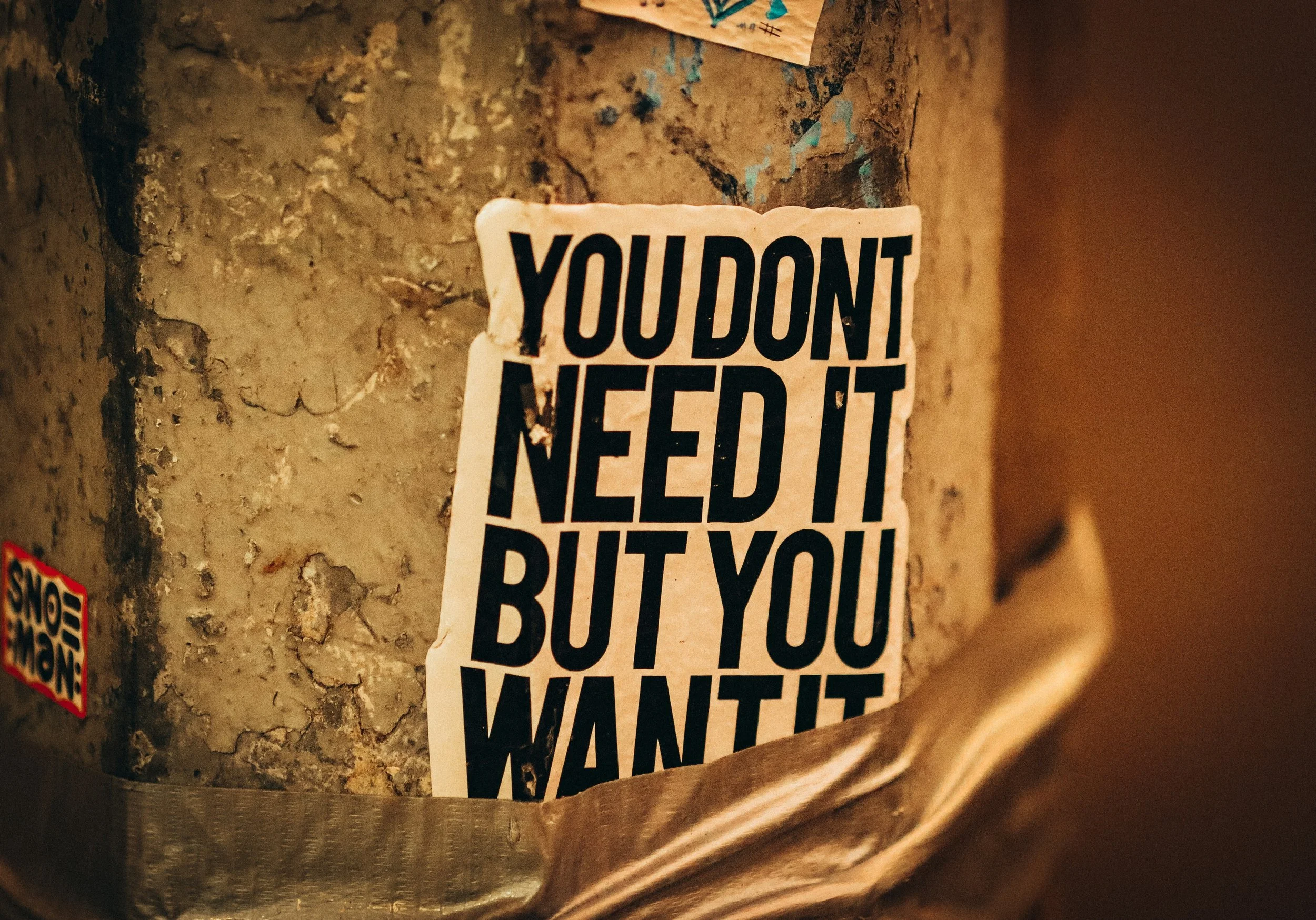
There was a time when buying cigars was relatively straightforward. You walked into a tobacconist, looked through the humidor, spoke with somebody whose opinion you trusted and bought cigars you actually wanted to smoke. Perhaps you had read about a particular release beforehand or heard another smoker recommend something interesting, but for the most part the decision happened between you, the cigar and your wallet. Today that relationship feels considerably more complicated. Before a new cigar even reaches the shelves, many of us have already seen the announcement, the teaser photographs, the factory pictures, the numbered boxes, the production quantity and perhaps half a dozen posts from people explaining why it is going to be impossible to find. Within days, photographs begin appearing from smokers who managed to secure boxes. Retailers announce that stock has arrived. Someone posts that their local shop has already sold out. Another person asks where they can find one. Suddenly a cigar you had never heard of two weeks earlier feels strangely urgent. I have caught myself doing it, and I suspect most enthusiastic cigar smokers have as well. You see a release, think it looks interesting but not essential, and continue scrolling. Then you see it again. A respected smoker has bought a box. A retailer posts that only a few remain. Somebody in a forum says they have been searching everywhere. Another person describes it as one of the best releases of the year. The manufacturer's production number starts looking increasingly important: 2,000 boxes, 1,500 boxes, 500 boxes, perhaps even fewer. By the end of the week, you are no longer asking whether you really want the cigar. You are asking whether you can still get it.
Those are completely different questions. This is where cigar FOMO begins. The term "fear of missing out" is usually associated with social media, travel, events or fashionable products, but premium cigars provide almost perfect conditions for it to flourish. They are collectible, consumable, limited by agricultural production and frequently released in genuinely small quantities. They also belong to a hobby built around discovery, comparison and conversation. When something interesting appears, we naturally want to experience it for ourselves. None of that is inherently unhealthy. Trying new cigars is one of the great pleasures of the hobby. The problem begins when curiosity quietly turns into urgency and urgency becomes a purchase before we have stopped to ask the most obvious question: if this cigar were sitting permanently on the shelf, would I still want it? I think many of us would be uncomfortable with the answer. The cigar industry did not invent scarcity marketing, but it has become remarkably good at using it. Limited editions have legitimate reasons to exist. A manufacturer may possess only a small quantity of a particular tobacco. A harvest may have produced exceptional wrapper that cannot support regular production. An anniversary deserves celebrating. An experimental blend might simply make more sense as a small release. There are plenty of limited cigars whose production numbers reflect agricultural reality rather than a marketing meeting. But the psychological effect on the consumer is the same regardless of why the cigar is limited. Scarcity changes the way we evaluate things.
A regular-production cigar gives us permission to think. A limited cigar creates a deadline. That deadline can completely distort value. Imagine two cigars sitting beside each other in a shop. Both cost £20. One is regular production and will almost certainly still be available six months from now. The other comes from a run of 1,000 boxes and the retailer has only received ten. Even before smoking them, the limited cigar feels more significant. Buying the regular cigar means acquiring something. Buying the limited cigar feels like securing something. The physical transaction is almost identical, yet psychologically they are completely different. This is not stupidity. It is normal human behaviour. Scarcity increases perceived desirability because our brains use availability as a shortcut for value. If something is difficult to obtain, we instinctively assume there must be a reason other people want it. Add social proof—the visible evidence that other enthusiasts are buying it—and the effect becomes considerably stronger. Suddenly the limited production number stops being information about manufacturing and becomes information about our chances of belonging to the group that managed to get one.
Cigars make this especially powerful because the purchase is not necessarily consumed immediately. If you miss a restaurant booking, the opportunity disappears. If you buy a rare bottle, watch or cigar, you retain physical evidence that you succeeded in obtaining it. The humidor becomes part storage system, part collection and occasionally part trophy cabinet. Again, there is nothing wrong with collecting. The cigar world has always included collectors, and preserving unusual releases can be a fascinating part of the hobby. But there is a meaningful difference between deliberately collecting something you value and accumulating things because you were frightened somebody else might buy them first. That difference is where things become interesting.
How Hype Turns Curiosity Into Urgency
The modern cigar hype cycle often begins long before anyone outside the manufacturer has smoked the finished product. A brand announces something new. Perhaps there is an unusual wrapper, an old tobacco lot, a collaboration, an anniversary or a returning vitola. Attractive photography follows. Production numbers are announced. Retailers begin taking enquiries. Enthusiast groups discuss the release. People start creating buy lists before the cigar has even arrived. At this stage, almost everything driving demand is information surrounding the cigar rather than experience of the cigar itself. Then comes the first wave of purchases. Boxes begin appearing on social media. This stage is enormously influential because cigar culture is highly visual. A beautiful box of twenty cigars arranged beside a cutter and a glass of something expensive makes an excellent photograph. Five different people posting the same release within forty-eight hours creates an impression of ubiquity: everyone seems to have bought it. Of course, everyone hasn't. We are seeing a tiny self-selecting group of enthusiasts who are sufficiently interested in cigars to photograph their purchases and share them publicly. But human psychology isn't particularly good at making that adjustment while scrolling through a feed.
Repetition creates importance. The more often we see something, the more familiar it becomes. Familiarity then starts masquerading as desire. A cigar that meant nothing to us on Monday can feel essential by Friday simply because we have encountered its band fifteen times. Social media did not create cigar hype, but it dramatically accelerated it. Twenty years ago, information moved more slowly. A cigar might receive a magazine review, appear in shops and gradually develop a reputation through word of mouth. Today a release can travel through the entire enthusiast ecosystem within hours. Manufacturers, distributors, retailers, reviewers, influencers, collectors and ordinary smokers all participate in the same conversation at almost the same time. This creates an unusual situation where the market can form an opinion before the market has accumulated much experience. One influential early review can shape expectations. A few enthusiastic posts can create momentum. Once retailers begin reporting low stock, the conversation changes from "Is it good?" to "Where can I find it?" That transition is crucial because quality has suddenly become secondary to availability. Forums provide a particularly revealing window into this behaviour. Buy-list discussions often contain cigars that people have never smoked and sometimes brands they have barely explored. Someone announces an upcoming release and within hours other smokers are calculating how many boxes they want. Occasionally the reasoning is perfectly sensible: they know the manufacturer, understand the blend and have loved previous versions. At other times the attraction appears to consist almost entirely of rarity.
The production number becomes the tasting note. "Only 500 boxes." That tells us nothing about whether the cigar is good. Yet emotionally it tells us almost everything we need to know to become interested. Numbered boxes intensify the effect further. Objectively, box number 184 is unlikely to contain better cigars than box number 1,184. Psychologically, however, numbering makes each purchase feel individual and finite. It turns inventory into an edition. Once the numbers are gone, there will never be another number 184. Suddenly buying feels closer to collecting art than purchasing agricultural products intended to be set on fire. The secondary market, where it exists legally, can add another layer. Once smokers see desirable cigars changing hands at premiums, buying at release begins to feel almost financially responsible. Even people with no intention of selling can convince themselves that the purchase is safe because the cigars will "hold their value." At that point the cigar is no longer competing only with other cigars for our money. It has become an asset in our imagination. This is where I think the hobby can begin losing something important. Cigars have value because of the experience they provide when smoked. Everything else—bands, boxes, rarity, collectability, resale value—is secondary. Those things can absolutely add enjoyment, but when they become the primary reason for buying, we risk building collections around other people's desires rather than our own.
I have seen humidors full of cigars their owners are reluctant to smoke because they are too rare, too valuable or impossible to replace. The strange result is that the "best" cigars in the collection become the least useful. The smoker repeatedly reaches for regular production while the limited boxes remain untouched. There is an obvious question worth asking at that point. If you don't want to smoke them, what exactly did you buy? For a genuine collector, the answer is easy: the collection itself provides enjoyment. That is perfectly legitimate. But for someone who considers themselves primarily a smoker, the answer can become uncomfortable. Sometimes we bought the feeling of getting the cigar rather than the cigar. The dopamine hit happened at checkout. Everything afterwards became storage. Hype also changes the way we eventually taste these cigars. When you spend months chasing something, perhaps paying above normal retail or searching multiple shops, the cigar arrives carrying enormous psychological baggage. It no longer needs to be good. It needs to justify the entire chase. Sometimes it does. Those are wonderful moments. You finally light the cigar everyone has been talking about and understand immediately why people became excited. The blend is distinctive, beautifully constructed and memorable enough that you wish you had bought more. But sometimes the first reaction is simply: is that it?
This is where regret buying enters the picture. The cigar might not even be bad. In many cases it is perfectly enjoyable. The problem is that "perfectly enjoyable" feels disappointing after weeks of scarcity, photographs, reviews and hunting. Expectations have inflated faster than the tobacco could possibly match. A £15 cigar that tastes very good feels like a success. A £30 cigar that required three weeks of searching and was described as legendary before release can taste exactly as good and somehow feel like a failure. Expectation is part of flavour whether we like admitting it or not.
The Cigars You Actually Want Are Usually Already Telling You
One of the easiest ways to understand your real cigar preferences is to ignore what you buy for a moment and look at what you smoke. Those two lists can be surprisingly different. Look through the last thirty or fifty cigars you actually smoked. Not photographed, purchased or placed into storage—smoked. Patterns begin appearing very quickly. Certain brands return repeatedly. Particular countries dominate. Maybe you consistently choose robustos despite buying impressive-looking double coronas. Perhaps you keep purchasing powerful Nicaraguan limited editions but spend most evenings smoking medium-bodied Dominican cigars. Maybe your collection says you love maduros while your ashtray says you prefer natural wrappers. The ashtray is usually more honest than the humidor. This is why I think experienced smokers eventually become calmer buyers. Not all of them, obviously; some people genuinely love the chase forever. But many reach a point where missing a release stops feeling catastrophic because experience has taught them something enormously liberating. There will always be another cigar. This is perhaps the single best defence against FOMO. Every year brings hundreds of releases across the premium cigar industry. Anniversaries will continue happening. Special tobaccos will continue being discovered. Retail exclusives will appear. Old blends will return. New factories will open. Boutique manufacturers will emerge. Famous blenders will experiment. Something will sell out next month and another supposedly unmissable cigar will replace it shortly afterwards.
You cannot smoke everything. More importantly, you don't need to. The hobby becomes considerably more enjoyable when you accept that fact. I have gradually developed a simple mental test whenever a heavily hyped cigar appears. I imagine the exact same cigar as regular production. Remove the numbered box. Remove "Limited Edition" from the band. Remove the photographs, scarcity and online conversation. Imagine there are twenty boxes sitting permanently on the retailer's shelf and I can return next year and buy one without difficulty. Do I still want it? If the answer is yes, then I'm probably interested in the cigar. If the answer suddenly becomes "not really," then I was probably interested in the scarcity. Another useful question is even simpler: would I buy five of these if I couldn't post them anywhere? That sounds slightly cynical, but social signalling exists in every enthusiast hobby. Watches, cars, whisky, wine, trainers, cameras and cigars all carry cultural meaning beyond their practical purpose. We communicate taste through what we own. There is nothing inherently wrong with that. The danger appears when the audience begins choosing our purchases for us. A cigar should still make sense when nobody else is watching. I also think buying singles before boxes remains one of the most underrated habits in cigar smoking. Box purchases feel satisfying, especially when a release is scarce, but twenty cigars is a substantial commitment to something you've never tasted. Buying one or two may mean risking the box disappearing before you make a decision, but that risk has to be compared with another possibility: owning nineteen more cigars you don't particularly enjoy.
The industry naturally benefits when consumers fear the first outcome more than the second. Your humidor benefits when you don't. There are exceptions, of course. If a manufacturer you trust releases a variation of a cigar you already love, buying a box without sampling it can be perfectly rational. Experience has given you enough information to make an educated decision. The same applies to collectors who understand exactly what they are purchasing and why. FOMO is different because the motivation originates outside your own experience. You buy because everyone is talking about it. You buy because stock is disappearing. You buy because someone posted three boxes. You buy because the production number seems tiny. You buy because you imagine how annoyed you will feel if reviews later say it was exceptional. Notice what is missing from all of those reasons. Your palate. Regret purchases often become obvious only months later. The excitement disappears, the release leaves the conversation and the box slowly migrates towards the bottom of the humidor. Another cigar replaces it as the object of attention. Eventually you rediscover the forgotten box and wonder why you bought twenty in the first place.
That moment is useful. Instead of treating it as wasted money, treat it as information. Every regret purchase teaches you something about the difference between your preferences and your impulses. Perhaps you repeatedly fall for particular wrappers even though they rarely suit your palate. Maybe anniversary packaging gets you every time. Perhaps high scores influence you more than you realised. Maybe seeing other collectors buying full boxes makes singles feel inadequate. Once you recognise the pattern, the marketing loses some of its power. The goal isn't to become immune to excitement. That would make cigars considerably less enjoyable. I still want to see new releases. I want manufacturers experimenting with unusual tobacco. I want to discover blends before they become famous. I want the occasional box that feels special when I open the humidor. Anticipation is part of the pleasure. The goal is simply to distinguish excitement from anxiety. "I really want to smoke this" is excitement. "I need to buy this before everyone else does" is something different. That distinction becomes increasingly important as cigar prices rise. A few unnecessary singles are one thing. Repeatedly purchasing boxes of expensive limited editions because of hype can consume a substantial cigar budget surprisingly quickly. The opportunity cost is easy to overlook. Every £300 regret box represents £300 that could have been spent on cigars you already know you love, exploring several different manufacturers, or simply smoking better throughout the year.
And perhaps this is where cigar FOMO becomes most ironic. We become so frightened of missing extraordinary cigars that we sometimes spend less time enjoying extraordinary cigars we already own. The humidor fills faster than we can smoke it. The special occasion section expands. Boxes remain sealed because opening them feels like reducing their value. New releases arrive before previous purchases have even been sampled. What began as a hobby centred around slowing down gradually turns into another form of consumption that constantly tells us to hurry. Buy now. Last boxes. Final allocation. Never again. Until next month's release. There is something almost absurd about allowing urgency to dominate an activity whose greatest pleasure comes from doing absolutely nothing quickly. A premium cigar may take an hour or two to smoke. Tobacco can require years to grow, cure, ferment and age before reaching us. The entire culture is built around patience. Perhaps our purchasing habits should occasionally remember that. Some of the greatest cigars I have smoked were not limited. Nobody fought over them. Nobody posted warnings that stock was disappearing. They sat quietly on tobacconists' shelves year after year, allowing smokers to develop genuine relationships with them. I smoked one, then another, eventually bought a box and gradually understood what made the blend special. There was no pressure to decide immediately whether it deserved a place in my collection.
The cigar earned that place through repetition. That is very different from buying first and discovering whether you like it later. Limited releases will always be part of cigar culture, and I wouldn't want them to disappear. Genuine scarcity can produce fascinating cigars, and there is undeniable pleasure in finding something unusual. Hype can also introduce us to manufacturers we might otherwise overlook. Social media has connected cigar smokers across countries in ways previous generations could hardly have imagined, and recommendations from other enthusiasts have led me towards countless excellent cigars. The problem isn't hype. The problem is surrendering our judgement to it. Your collection should eventually become more personal, not more fashionable. As experience grows, the humidor should increasingly reflect the tobacco, sizes, factories and styles that genuinely give you pleasure. There will always be experiments and mistakes around the edges—that is how palates develop—but the centre should belong to you. So the next time a cigar suddenly seems impossible to ignore, don't necessarily ignore it. Just give yourself ten seconds before pressing buy.
Forget the production number. Forget the photographs. Forget the influencer holding three boxes. Forget the retailer saying there are only two remaining. Forget what you think everyone else will be smoking next week. Ask yourself one question. If nobody else wanted this cigar, would I? If the answer is yes, buy it, light it and enjoy every minute. If the answer is no, allow somebody else to have the last box. There will always be another limited edition. There will always be another release. But there is absolutely no reason your humidor has to contain somebody else's idea of what you should want.