Cuban Cigar Domination: How Cuba Conquered the Cigar World — and Whether It Still Rules Today
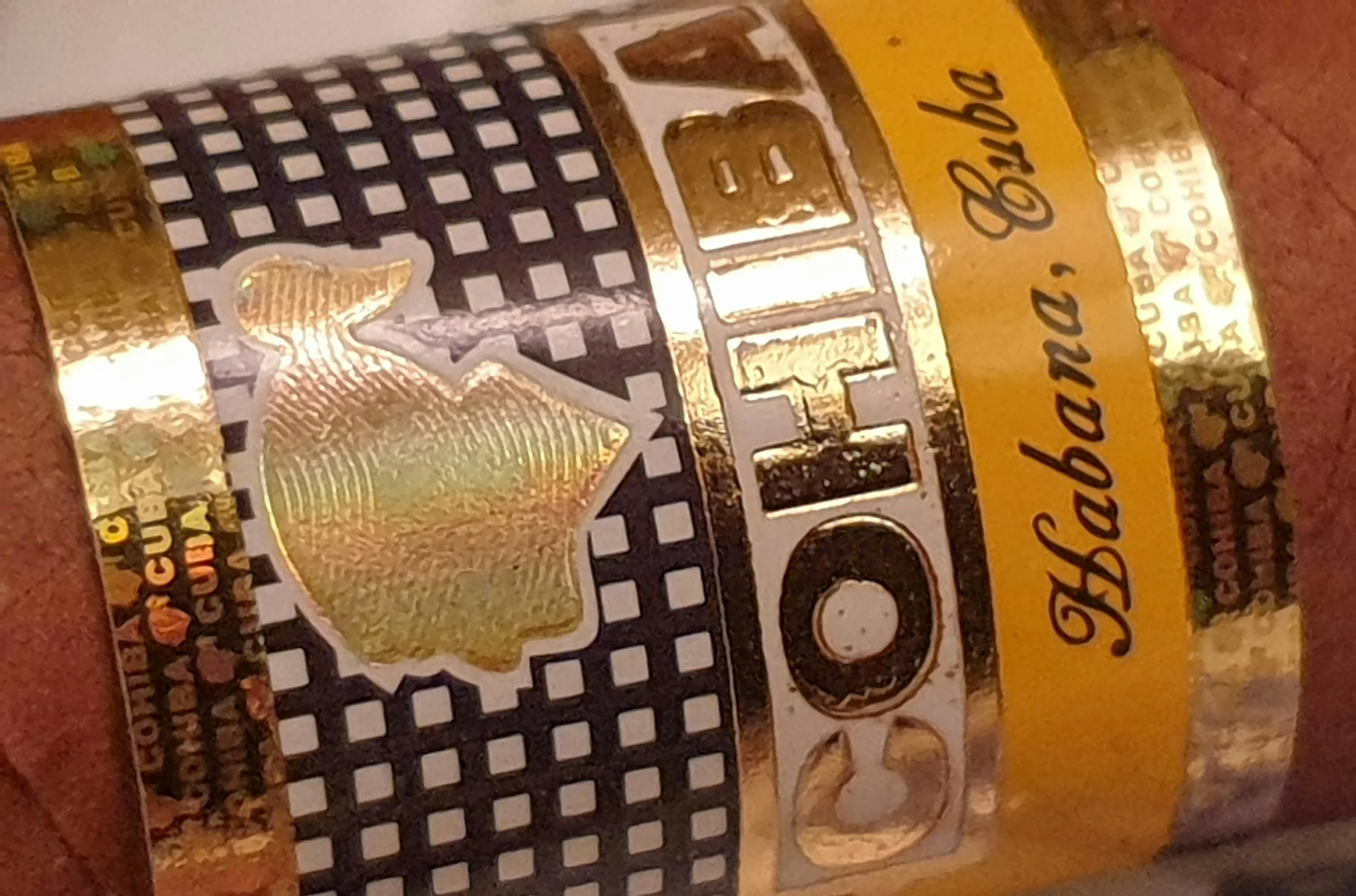
For most of modern cigar history, there was Cuba and then there was everybody else. That statement sounds almost ridiculous today because the premium cigar world has become extraordinarily diverse, but for generations it was essentially how serious cigars were understood. Havana was not merely one producing region among several. It was the reference point against which everything else was judged. A great cigar was a Havana. A manufacturer outside Cuba might produce something excellent, but the highest compliment it could often receive was that it somehow reminded the smoker of Cuba. Even the word "Havana" became larger than geography. It represented craftsmanship, luxury, aroma, tradition and a particular idea of what a fine cigar was supposed to be. That reputation was not created by a clever twentieth-century marketing campaign. Cuba spent centuries building it. Tobacco was already being cultivated and consumed in the Americas long before Europeans arrived. Indigenous peoples understood the plant in ways the newcomers initially did not, using tobacco ceremonially, medicinally and socially. When Europeans encountered tobacco following their arrival in the Caribbean at the end of the fifteenth century, they were witnessing an established culture rather than discovering a new plant. Tobacco subsequently travelled across the Atlantic and became one of the most influential agricultural products in global history. Cuba happened to possess an extraordinary combination of circumstances for turning that plant into something exceptional. Climate, rainfall, humidity, soil and growing conditions certainly mattered, particularly in the western part of the island, but geography alone does not explain Cuban domination. Plenty of countries possess excellent agricultural land. What transformed Cuba was the combination of exceptional tobacco with generations of specialised knowledge and, eventually, an industry capable of turning that knowledge into an internationally recognised luxury product. By the eighteenth and nineteenth centuries, Havana cigars were increasingly established as objects of prestige in Europe. The nineteenth century in particular transformed the Cuban cigar into something approaching the cultural object we recognise today. Havana became home to an enormous cigar-making industry. Brands emerged, factories expanded, export markets developed and the cigar gradually became connected with wealth, politics, business and social status. European capitals embraced Havanas. Britain became an especially important market. The cigar entered gentlemen's clubs, hotels, private dining rooms and the rituals of the wealthy.
This mattered enormously because Cuba wasn't simply exporting tobacco. It was exporting an identity. A Havana cigar came with a story attached to it. The tobacco was Cuban. The cigar was rolled in Havana. The brands developed histories and visual identities. Boxes carried elaborate lithography, factory names, medals and guarantees of origin. The product became inseparable from the place. That connection between geography and prestige is incredibly powerful. Champagne achieved something similar. Bordeaux did it with wine. Cognac did it with brandy. Certain places become so closely associated with the finest expression of a product that eventually the geography itself becomes a quality signal. Cuba achieved that with cigars.
By the late nineteenth and early twentieth centuries, brands that remain familiar today had already established extraordinary reputations. Partagás traced its history to 1845. Ramón Allones emerged during the nineteenth century. H. Upmann, Romeo y Julieta, Bolívar and numerous others became part of a sophisticated commercial ecosystem that combined tobacco agriculture, factory craftsmanship and international distribution. Some brands disappeared. Others changed ownership repeatedly. Factories moved. Wars, economic crises and political changes reshaped the industry. Yet the central idea remained remarkably stable. The finest cigar came from Cuba. What I find fascinating is how thoroughly that belief became embedded in cigar culture. It survived far beyond the circumstances that originally created it. Even smokers who knew very little about tobacco understood that Cuban cigars were supposed to be the best. Someone who couldn't identify Nicaragua on a tobacco map probably still recognised Cohiba or Montecristo. Cuba had achieved the ultimate luxury-market advantage: the country itself had become a brand. The twentieth century strengthened the mythology further.
Cigars became attached to famous personalities. Winston Churchill's association with large-format cigars became so strong that an entire vitola remains commonly known by his name. Politicians, businessmen, actors and writers appeared photographed with Havanas. Smoking a Cuban cigar communicated something without requiring explanation.
Then came 1959.
And almost everything changed.
Revolution, Exile and the Moment Cuba Accidentally Created Its Own Competition
The Cuban Revolution fundamentally reshaped the country's cigar industry. Following Fidel Castro's rise to power, private cigar businesses were eventually nationalised. Families who had spent generations growing tobacco, manufacturing cigars or owning brands suddenly found themselves facing an entirely different political and economic reality. Many left. From Cuba's perspective, this represented an enormous loss of people and private enterprise. From the perspective of global cigar history, however, it created something extraordinary. Cuban tobacco knowledge began travelling. Experienced growers, blenders, rollers and cigar families settled elsewhere in the Caribbean and Central America. Some went to the Dominican Republic. Others became involved in Nicaragua, Honduras, the United States and additional producing regions. They carried with them something considerably more valuable than a suitcase of tobacco seeds. They carried knowledge.
They understood fermentation. They understood curing. They understood how to evaluate fields. They understood how different primings behaved. They understood cigar construction.
Most importantly, they understood what a great Cuban cigar was trying to achieve. This migration became one of the foundations of the modern non-Cuban premium cigar industry. It did not happen overnight. Cuba still possessed enormous advantages. The island retained its extraordinary growing regions, experienced workers and globally recognised brands. For smokers throughout much of Europe and the rest of the world, Cuban cigars continued occupying the top of the hierarchy. But one event changed the competitive landscape permanently. The United States embargo.
When Cuban products were prohibited from the American market in the early 1960s, the world's most commercially important cigar market suddenly lost legal access to Havana cigars. Whatever the political intentions behind the embargo, its effect on premium cigar development was enormous. American smokers still wanted cigars. Retailers still needed cigars. Importers still needed products to sell. The market had to find alternatives. Initially, many of those alternatives were judged against Cuba. Could Dominican tobacco imitate Havana? Could Nicaragua produce something comparable? Could Honduras replace Cuban filler? The language itself revealed the hierarchy. These countries were not yet being asked what they could uniquely contribute. They were being asked whether they could reproduce Cuba. For a while, that distinction mattered. Then something changed.
The alternatives stopped trying merely to be alternatives. The Dominican Republic developed into a world-class cigar-producing nation with enormous manufacturing expertise and increasingly sophisticated tobacco agriculture. Nicaragua, despite political upheaval and periods of extraordinary instability, demonstrated that its volcanic soils and varied growing regions could produce tobacco of remarkable power, sweetness and complexity. Honduras established its own identity. Ecuador became one of the most important wrapper-growing countries on earth. Brazil contributed unique tobaccos. Cameroon wrapper remained prized for qualities that could not simply be replaced by Cuban leaf. The cigar world's palette expanded. Perhaps Cuba's greatest historical mistake—or greatest accidental contribution, depending on how you look at it—was helping create competitors who eventually stopped wanting to copy Cuba. The Dominican Republic is probably the clearest example of how dramatically the balance changed. Over decades, companies invested in agriculture, factories, quality control and international distribution. Manufacturers learned to create cigars that were not apologising for being non-Cuban. Dominican tobacco developed an identity associated with refinement and aroma, while experimentation with stronger varieties and different growing regions gradually destroyed the old stereotype that Dominican cigars were necessarily mild. Nicaragua followed an even more dramatic path. Its tobacco can be powerful, certainly, but reducing Nicaragua to strength and pepper completely misses the point. Estelí, Jalapa, Condega and other areas provide dramatically different blending tools. Modern Nicaraguan cigars can range from aggressive and full-bodied to elegant, sweet and remarkably nuanced. The country now produces cigars that regularly sit at the centre of enthusiast conversations without anybody needing to compare them with Havana.
This was the real turning point. Once smokers began buying Nicaraguan cigars because they wanted Nicaraguan cigars, Cuba's monopoly on aspiration had been broken. The American market accelerated this transformation because several generations of US smokers developed premium-cigar culture largely without legal Cuban imports. Brands such as Padrón, Arturo Fuente, Davidoff's Dominican production and later an enormous wave of Nicaraguan and boutique manufacturers demonstrated that extraordinary cigars could be made outside Cuba. Meanwhile, Cuba remained trapped inside an unusual contradiction. Its greatest advantage was tradition. Its greatest weakness was also tradition.
The Cuban system preserved famous brands, recognised growing regions, established vitolas and a powerful sense of continuity. A smoker opening a box of Partagás, Montecristo, Hoyo de Monterrey or Ramón Allones was participating in a story stretching back generations. Few competitors could reproduce that emotional weight. But the non-Cuban industry was freer to experiment. Manufacturers could work with tobacco from multiple countries. A cigar might combine Nicaraguan filler, Dominican filler, a Connecticut Broadleaf binder and an Ecuadorian Habano wrapper. Another could place Brazilian Mata Fina alongside tobacco from Jalapa. Different seeds could be grown in different countries, fermentation techniques modified and blends adjusted with fewer historical expectations surrounding what a particular brand was supposed to taste like. Cuba had extraordinary tobacco. The New World had an increasingly enormous toolbox.
That difference became more significant with every passing decade. Cuban cigars still maintained their mystique, particularly outside the United States, and for good reason. At their best, they could deliver something genuinely distinctive. The combination of aroma, earth, cedar, restrained sweetness, leather, floral qualities and that difficult-to-describe character experienced smokers often identify as unmistakably Cuban remained compelling. But another conversation gradually became impossible to ignore. Consistency. Almost every long-term Cuban cigar smoker has a story about a magnificent cigar. Most also have a story about a plugged one.
Or a box that seemed underfilled. Or several cigars requiring far more ageing than expected. Or a wrapper that looked nothing like another box of supposedly the same product. For decades, enthusiasts were remarkably forgiving because the reward could be extraordinary. A disappointing Cuban cigar was frustrating, but a great Cuban cigar could remind you why you kept returning.The non-Cuban industry increasingly attacked precisely this weakness.
Factories invested heavily in draw testing, tobacco sorting, fermentation management and quality control. Competition was fierce. A Nicaraguan or Dominican manufacturer couldn't rely on centuries of mythology to excuse inconsistent construction. If the cigar performed badly, consumers had dozens of alternatives sitting beside it on the shelf.
That competitive pressure helped raise standards across the entire industry. By the beginning of the twenty-first century, asking whether non-Cuban cigars could compete with Cuba had started to feel like the wrong question. They were already competing. The more interesting question was whether Cuba still occupied the top at all. And that brings us to the cigar world we have today, where the answer depends entirely on what we mean by domination.
From Benchmark to Luxury: What Cuban Domination Looks Like Today
If the twentieth century was largely about the world discovering that excellent cigars could be made outside Cuba, the twenty-first has been about something more significant. Smokers are no longer asking non-Cuban producers to prove that they belong at the same table. In many markets, particularly the United States, that argument ended years ago. Nicaragua and the Dominican Republic are not alternatives waiting for Cuba to return. They are mature cigar industries with their own histories, celebrated factories, famous tobacco regions and generations of smokers who actively prefer their products. The question facing Cuba today is therefore very different from the one it faced immediately after the Revolution. Cuba is no longer defending itself against imitation. It is competing against countries that have developed identities of their own. That distinction matters because for decades Cuba benefited from being the standard against which everything else was measured. If a Dominican cigar was elegant, someone compared it with Havana. If a Nicaraguan blend showed unusual finesse, reviewers described it as Cuban-like. Certain seeds were promoted through their Cuban ancestry, and manufacturers frequently emphasised the Cuban heritage of founders, growers and blenders. Even while the embargo removed Cuban cigars from the American market, Cuba remained present in the language of the industry. It was the absent benchmark. Today I think that relationship has changed dramatically. When a smoker reaches for a Padrón, Fuente, Davidoff, My Father, Drew Estate, Tatuaje, Oliva, Joya de Nicaragua, Plasencia or one of the countless smaller manufacturers that have emerged over recent decades, they are rarely doing so because they hope the cigar will resemble a Havana. They want the characteristics associated with those producers. They want Nicaraguan intensity, Dominican refinement, Broadleaf sweetness, Ecuadorian wrapper, unusual fermentation or simply the recognisable style of a particular blender. The reference point has shifted from country alone towards manufacturer, factory, farm and individual blend. This is one of the biggest changes Cuba has had to face because its historical strength was exactly the opposite. Cuban cigar culture placed enormous power in origin. A Montecristo was Cuban. A Partagás was Cuban. A Bolívar was Cuban. Whatever differences existed between the brands, the word Cuba provided the foundation underneath all of them. The country's protected designation system reinforced the idea that a Habano was not merely a cigar manufactured on the island but a product whose identity depended upon particular tobacco regions, manufacturing standards and traditions. That remains incredibly powerful.
But it no longer owns the entire conversation. The modern cigar smoker has access to a diversity of tobacco that previous generations could barely have imagined. A single retailer can carry cigars incorporating tobacco from Nicaragua, the Dominican Republic, Honduras, Ecuador, Mexico, Brazil, Cameroon and the United States. Within Nicaragua alone, smokers increasingly understand differences between Estelí, Jalapa and Condega. Dominican producers have become more ambitious with proprietary seeds, unusual fermentation and tobacco from different micro-regions. Ecuador has transformed wrapper production. Connecticut Broadleaf has become almost a cult ingredient. Mexican San Andrés has moved from being something many consumers barely discussed to one of the most recognisable wrapper styles in the modern market. Cuba, by comparison, operates within a deliberately narrower universe. That restriction is simultaneously its greatest strength and one of its biggest commercial limitations. A Cuban cigar must taste Cuban.
That sounds obvious, but consider what it means for innovation. A non-Cuban blender can build a cigar using tobacco from several countries, selecting each leaf for a specific purpose. If they want more sweetness, they can search elsewhere. If they need strength, they can introduce tobacco from another region. If they want a darker wrapper, a different combustion rate or an unusual aromatic quality, the international tobacco market provides extraordinary possibilities. Cuban cigar production does not work that way. Its identity depends upon Cuban tobacco. For purists, that is exactly the attraction. There is something wonderfully uncompromising about a cigar that expresses one country's agricultural identity from filler to wrapper. It creates a sense of place that increasingly complex multinational blends cannot always reproduce. When a Cuban cigar is exceptional, the experience can feel remarkably coherent because every leaf belongs to the same broad tobacco tradition. But coherence and variety are not the same thing. The non-Cuban world has become a laboratory.
Cuba has increasingly become a custodian. Neither role is inherently superior, but they produce very different industries. This difference became especially visible during the explosion of boutique cigars. Smaller manufacturers were able to experiment with unusual sizes, fermentation methods, wrapper combinations and limited tobacco lots at remarkable speed. Consumers became accustomed to constant releases and dramatic flavour differences. A smoker could move from a delicate Ecuadorian Connecticut cigar in the morning to a Mexican San Andrés-covered Nicaraguan blend after dinner and then smoke something containing Pennsylvania Broadleaf the following evening. The modern palate became international. Cuba's portfolio remained comparatively familiar.
That familiarity once represented stability. Increasingly, however, Cuba began transforming familiarity into exclusivity. One of the most important developments in recent Cuban cigar history has been the dramatic repositioning of price. Cuban cigars were never cheap luxury products, particularly once taxes and duties were included in markets such as the United Kingdom, but the scale of increases during the early 2020s fundamentally changed the relationship between certain Cuban brands and ordinary smokers. The most dramatic examples involved Cohiba and Trinidad. Rather than simply increasing prices in line with inflation or production costs, the strategy pushed these brands towards global luxury positioning, with pricing increasingly benchmarked internationally and particularly influenced by high-value markets. Cigars that were already expensive moved into territory previously associated with rare whisky, fine wine or luxury accessories. Cohiba, especially at the upper end of the portfolio, became something fundamentally different from an everyday premium cigar. This change makes commercial sense if your objective is to maximise the value of a scarce product. Cuban premium cigar production cannot simply double overnight. Tobacco requires years. Agricultural land is finite. Skilled labour matters. When demand exceeds supply, one obvious economic response is to increase price until demand and availability move closer together.
But economically rational decisions can still transform culture.For generations, Cuban cigars were aspirational but attainable. A smoker might not have been able to smoke Cohiba every day, but buying a few for birthdays, Christmas or special occasions remained imaginable. Montecristo, Partagás, Romeo y Julieta and Hoyo de Monterrey included cigars that ordinary enthusiasts could incorporate into a regular rotation. As prices increased, that relationship began changing. The Cuban cigar increasingly became something to save. Something to collect.
Something to photograph. Something to keep rather than burn. That shift is particularly important because cigars only maintain culture when people smoke them. A box locked inside a climate-controlled cabinet may appreciate financially and provide enormous satisfaction to its owner, but it does not create the same relationship as a cigar repeatedly enjoyed over years. Once prices reach the point where lighting one creates anxiety, the product has crossed an invisible line from smoking pleasure towards collectible luxury. Cohiba illustrates this better than any other Cuban brand. Its history already gave it exceptional status. Created in the post-Revolutionary period and initially associated with Fidel Castro and diplomatic gifting before eventually entering wider commercial circulation, Cohiba never carried the nineteenth-century history of Partagás or H. Upmann. Instead, it represented the new Cuba. Its famous black-and-yellow branding became globally recognisable, and the brand developed an aura that extended far beyond dedicated cigar smokers.
That recognition eventually became an asset valuable enough to support extraordinary pricing. Today Cohiba functions simultaneously as a cigar brand and a luxury symbol. People who cannot name five Cuban cigar brands often recognise Cohiba. Counterfeiters certainly understand its power; fake Cohibas have become so common globally that many experienced smokers approach suspiciously cheap boxes with immediate scepticism. Counterfeiting itself is an interesting measure of domination. Nobody counterfeits products nobody wants. The sheer number of fake Cohibas, Montecristos and other Cuban cigars circulating around tourist markets and online demonstrates how valuable the Cuban name remains. The irony is that Cuba's prestige has become so powerful that it sometimes damages consumer confidence. New smokers encounter supposedly Cuban cigars in resorts, marketplaces, social-media listings and unofficial sellers, often accompanied by elaborate stories about somebody's cousin working at the factory. Some of those smokers eventually discover they have paid significant money for cigars containing tobacco that has never been anywhere near Cuba.
Few non-Cuban brands face counterfeiting on anything approaching the same cultural scale. That alone tells us Cuba still dominates one crucial area: imagination. Availability has complicated matters further. Cuban cigar supply has faced serious pressure from agricultural difficulties, economic problems, reduced production, global demand and the lingering effects of disruption earlier in the decade. Retailers in established markets have frequently experienced inconsistent allocations. Certain vitolas disappear for long periods. Others arrive sporadically and sell quickly. Boxes that once seemed like permanent fixtures in humidors become purchases made whenever stock appears. Scarcity then creates its own psychological momentum. When something becomes harder to obtain, people often want it more.
The same phenomenon we see with limited editions occurs across parts of the Cuban portfolio. A cigar does not need to be officially limited if supply itself makes it feel limited. Suddenly a regular-production box generates excitement simply because nobody has seen one for six months. This has strengthened Cuba's luxury image while simultaneously weakening its position as an everyday cigar producer. The distinction is important. A country can dominate prestige without dominating consumption. Ferrari does not dominate the global automobile market by volume, yet its cultural influence is enormous. Rolex does not manufacture most of the world's watches, but its name possesses extraordinary recognition. Château-level Bordeaux does not dominate everyday wine drinking, but it continues influencing how people think about fine wine.
Cuba appears increasingly comfortable occupying something similar in cigars. The difficulty is that cigars are not watches. They disappear when used. A luxury watch can be worn for decades and passed between generations. A cigar's purpose is fulfilled through destruction. You light it, enjoy it and eventually nothing remains except ash and memory. The higher the price rises, the more difficult that psychological relationship becomes. At some point the consumer begins asking whether ninety minutes of pleasure can justify the cost, particularly when extraordinary non-Cuban alternatives are available for dramatically less. That comparison is far more dangerous for Cuba today than it would have been forty years ago because the alternatives have become so good.
Construction is perhaps the most uncomfortable part of the conversation. It would be unfair to repeat the lazy stereotype that every Cuban cigar is plugged or poorly rolled. They aren't. I have smoked beautifully constructed Cuban cigars, including aged examples whose draw and combustion were virtually perfect. Cuba still employs extraordinarily skilled rollers and produces cigars demonstrating exactly why its reputation was built in the first place. But inconsistency has followed Cuban cigars for too long to dismiss completely. For a £15 or £20 cigar, occasional construction problems are frustrating. For a cigar costing several times that amount, tolerance becomes considerably lower.
This is where non-Cuban manufacturers have changed expectations. Draw-testing technology, increasingly sophisticated quality control and intense competition have made consumers accustomed to remarkably consistent construction. When somebody spends serious money on a premium Nicaraguan or Dominican cigar, they reasonably expect it to draw properly. The cigar doesn't receive extra forgiveness because of where it was made. Cuba historically received that forgiveness because smokers believed the flavour justified the gamble. I think that patience is disappearing. Younger enthusiasts in particular have grown up in a cigar world where Nicaragua is not an emerging competitor. It is already established. The Dominican Republic isn't an alternative. It is already established. They can buy exceptionally constructed cigars from respected manufacturers with clear information about the tobacco, the farms and the people behind them. They interact directly with brand owners through events and social media. They see factory tours, fermentation rooms, farms and blending discussions constantly.
For those smokers, Cuba doesn't automatically begin at the top. It has to earn the position. This may be the biggest generational shift in premium cigars. An older European smoker might have begun with the assumption that Cuban cigars represented the summit and later discovered excellent alternatives. A younger smoker may begin with Nicaragua, the Dominican Republic or Honduras and encounter Cuba later.
Those journeys produce completely different relationships with prestige. If your first serious cigars were Montecristo, Partagás and Hoyo de Monterrey, the Cuban flavour profile becomes a reference point embedded in your palate. If your formative cigars came from Padrón, Fuente, My Father, Oliva, Plasencia or dozens of modern boutique manufacturers, Cuba enters an already crowded landscape. The Cuban cigar may still impress you. But it no longer defines what a cigar is supposed to taste like. Outside the United States, however, the picture becomes more complicated. Europe, the Middle East and particularly parts of Asia have maintained much stronger direct relationships with Cuban cigars. China emerged as an enormously important market, and Asian luxury consumers have shown substantial appetite for prestigious Cuban brands, rare editions and high-end presentations. In those markets, the very qualities that can alienate the everyday smoker—scarcity, price and exclusivity—can strengthen luxury desirability.
This is why declaring Cuba either "finished" or "still number one" misses the point entirely. Cuba is moving in two directions at once. Among luxury collectors, prestigious hospitality venues and high-net-worth consumers, its mythology may be stronger than ever. The Cohiba name carries enormous cultural capital. Rare Cuban releases command extraordinary attention. Vintage boxes continue fascinating collectors. Regional and limited editions generate intense demand. The mystique of Havana remains remarkably resistant to competition. Among ordinary enthusiasts who actually smoke several cigars each week, however, the calculation can look very different. Value matters.
Consistency matters. Availability matters. Choice matters. And suddenly the modern non-Cuban industry becomes extremely difficult to beat. There is also another uncomfortable question that price increases have forced smokers to confront: how much of what we taste is tobacco, and how much is expectation?
If I hand someone an unbanded cigar and tell them it costs £20, they approach it one way. Tell them the cigar costs £150 and comes from a prestigious Cuban release, and every draw carries the burden of justification. The cigar hasn't changed. The expectation has. At extremely high prices, being excellent is no longer enough. The cigar must somehow become an experience proportionate to its cost, and tobacco simply doesn't work in neat mathematical increments. A cigar costing five times more cannot provide five times the flavour. Eventually price separates from sensory improvement and begins paying for scarcity, heritage, packaging, prestige and access.
That isn't uniquely Cuban. The same thing happens with rare whisky, wine, watches and increasingly with limited non-Cuban cigars. But Cuba is currently one of the clearest examples of it. And this is why I think the modern debate about Cuban domination has become far more interesting than the old argument about whether Cuban or non-Cuban cigars are "better." Better according to what? History?
Cuba wins comfortably. Global cigar mythology? Cuba remains extraordinarily difficult to challenge. Diversity? The non-Cuban world has an overwhelming advantage.
Construction consistency? The competition has forced standards extraordinarily high. Value? That conversation has become increasingly uncomfortable for Havana. Collectability?
Cuba remains among the most powerful names in the entire luxury market. Flavour? That is where the argument becomes personal. Because no amount of history can tell somebody what their palate should prefer. And perhaps that is ultimately the biggest thing Cuba has lost.
Not quality. Not prestige. Not relevance. It has lost the automatic assumption that the conversation is already over. For generations, Cuba didn't need to prove it made the world's greatest cigars. The world largely accepted that it did.
Today, the smoker has choices. Extraordinary choices. And for the first time in modern cigar history, Havana is not simply being chased. It is being asked to compete.
Does Cuba Still Rule the Cigar World?
After looking at everything that has happened over the last two centuries, I think the question of whether Cuba still dominates the cigar world has become almost impossible to answer with a simple yes or no. If domination means producing the only cigars that serious smokers consider worthy of attention, then that era is unquestionably over. If it means producing the greatest volume of premium cigars, the answer is also no. If we are talking about innovation, diversity of tobacco or the sheer number of different blending possibilities available to manufacturers, the modern non-Cuban industry has moved far beyond what Cuba can offer. Yet if domination means something deeper—the ability of one country to occupy a unique position in the imagination of cigar smokers—then Cuba remains extraordinarily powerful. That distinction is important because the cigar world has spent decades trying to answer the wrong question. We constantly ask whether Cuban cigars are better than non-Cuban cigars as though the entire industry can somehow be divided into two teams and a winner declared. It is an increasingly meaningless comparison. "Non-Cuban" now covers an enormous universe of tobacco, manufacturers and styles. A delicate Dominican cigar has very little in common with a powerful Nicaraguan puro. A Connecticut Broadleaf-covered cigar manufactured in Estelí may share almost nothing with an Ecuadorian Connecticut blend produced in the Dominican Republic. Cameroon, Mexican San Andrés, Brazilian Mata Fina, Pennsylvania Broadleaf and dozens of other tobaccos create possibilities that simply cannot be reduced to one side of an argument. Cuba is one origin. The rest of the cigar-producing world is an entire ecosystem.
Putting them against each other is rather like asking whether French wine is better than every wine produced outside France combined. The question tells us more about France's historical status than it does about wine. That is exactly what the Cuban-versus-non-Cuban debate reveals. The fact that we continue grouping virtually every other cigar-producing country together just to compare them with one island demonstrates how enormous Cuba's historical influence remains. Nobody asks whether Dominican cigars are better than all non-Dominican cigars. Nobody groups Cuba, Nicaragua, Honduras and the Dominican Republic together and asks whether they can defeat Ecuador. Cuba remains the exception because for so long it defined the category itself. This is why I would never dismiss Cuban dominance simply because Nicaragua and the Dominican Republic now produce extraordinary cigars. History matters. Reputation matters. Cultural memory matters. The cigar industry isn't simply a blind tasting competition where every band is removed and whichever tobacco receives the highest score wins. Cigars carry stories, traditions and associations. Part of the pleasure of smoking a great cigar is understanding where it came from and recognising the generations of knowledge behind it. Cuba possesses more of that historical capital than anybody else. Walk into a serious humidor almost anywhere outside the United States and certain names require no introduction. Cohiba. Montecristo. Partagás. Romeo y Julieta. H. Upmann. Hoyo de Monterrey. Bolívar. Ramón Allones. Trinidad. Even people who smoke only occasionally often recognise some of them. Few agricultural luxury products have achieved that level of global identity.
There is also something genuinely distinctive about Cuban tobacco when it is at its best. This is where I think conversations sometimes become unnecessarily ideological. People who strongly favour non-Cuban cigars occasionally behave as though Cuba's reputation is entirely marketing, while Cuban loyalists sometimes talk as though no other country has ever grown a leaf worth smoking. Neither position makes much sense. Great Cuban tobacco is great tobacco. It does not need mythology to justify itself. There is a particular aromatic quality that experienced smokers often recognise immediately, even when describing it becomes difficult. Earth, cedar, leather, nuts, floral notes, restrained sweetness and occasional mineral qualities can combine in a way that feels unmistakably Cuban. Age can transform that profile further, softening rougher edges and producing the delicate complexity responsible for some of the legendary smoking experiences people have talked about for generations. I've never understood why acknowledging that should require dismissing Nicaragua or the Dominican Republic. I can believe that an exceptional aged Cuban cigar offers something extraordinarily difficult to reproduce while simultaneously believing that a modern Nicaraguan cigar may deliver better construction, greater intensity or simply more enjoyment on another evening.
The palate doesn't need nationalism. It needs good tobacco. Perhaps the greatest mistake Cuba could make now would be believing its historical reputation guarantees its future. Heritage is enormously valuable, but it behaves like inherited wealth. Managed properly, it can support generations. Taken for granted, it can gradually disappear. Younger cigar smokers are particularly important here. A new smoker entering the hobby today experiences a completely different world from somebody beginning forty years ago. Information is everywhere. Within weeks they can learn about fermentation, tobacco regions, seed varieties, factories and individual growers. They can watch manufacturers walking through fields in Nicaragua, follow harvests in the Dominican Republic and listen to blenders explaining why they selected one wrapper over another. They can order tasting samplers, compare dozens of manufacturers and discuss cigars with smokers on the other side of the world before finishing their first box.
Brand loyalty therefore has to be earned differently. The old hierarchy is less powerful because knowledge is more widely distributed. This is particularly noticeable in the United States, where the embargo created an extraordinary cultural experiment. Several generations of American cigar smokers developed without legal access to Cuban cigars, yet instead of the premium cigar culture disappearing, it flourished. Manufacturers built legendary reputations. Nicaraguan and Dominican cigars became benchmarks in their own right. Boutique companies appeared. Consumers became comfortable with experimentation. Cuba became forbidden fruit rather than daily reality. For some Americans that increased its mystique enormously. Travelling abroad and finally smoking a legal Cuban became almost a cigar pilgrimage. For others, however, the absence had the opposite effect. Why obsess over something unavailable when extraordinary cigars were already sitting in the local humidor?
That second attitude is more important than it first appears. Prestige survives partly through familiarity. People aspire to something because they repeatedly encounter the idea that it represents the summit. If younger generations grow up seeing different products at the summit, cultural hierarchies eventually shift. Cuba therefore faces a challenge that cannot be solved simply by increasing prices. Luxury pricing works exceptionally well when demand already exceeds supply. It can increase margins, reinforce exclusivity and reposition brands towards wealthier consumers. But there is a danger hidden inside every luxury strategy: exclusivity can eventually become distance.
If ordinary enthusiasts stop smoking your cigars regularly, they stop building memories around them. That matters more than spreadsheets can measure. Ask an older cigar smoker why they love a particular marca and the answer often involves experience rather than prestige. They remember smoking a certain robusto after dinner for twenty years. They remember buying boxes before prices exploded. They remember sharing a cigar with their father, celebrating a promotion or discovering an aged cabinet in a small tobacconist. The brand became meaningful because it participated in their life. Can the same emotional relationship develop if a younger smoker views the cigar primarily through photographs because buying one has become financially difficult? Perhaps.
Luxury brands have survived that way in other industries. But cigars are different because smoking creates loyalty through repetition. You understand a cigar by smoking it repeatedly across different boxes, years and circumstances. One spectacular cigar can create a memory. Twenty over several years create a relationship. This is where regular-production Cuban cigars may ultimately matter more to Cuba's future than spectacular high-priced releases. Cohiba can remain the global symbol. Rare humidors can command astonishing prices.
Limited editions can generate headlines. But brands such as Partagás, H. Upmann, Ramón Allones, Bolívar, Montecristo, Romeo y Julieta and Hoyo de Monterrey are what historically allowed smokers to live with Cuban tobacco rather than simply admire it. If those cigars become increasingly inaccessible, Cuba risks preserving prestige while gradually surrendering culture. There is another issue that deserves discussion whenever we talk about Cuba's future: agriculture itself. Tobacco is not manufactured from a formula.
Every cigar begins with a harvest, and harvests are vulnerable. Cuba's tobacco regions face the same fundamental threats confronting agriculture around the world: changing weather patterns, hurricanes, excessive rainfall, drought, disease and rising temperatures. Hurricane Ian's devastating passage through western Cuba in 2022 demonstrated brutally how vulnerable tobacco infrastructure can be, damaging farms, curing barns and agricultural communities in Pinar del Río. Rebuilding a tobacco industry after an event like that involves far more than replanting seeds. Barns need rebuilding. Farmers need resources. Fields need recovering. Tobacco then requires growing, curing, fermentation and ageing before it can eventually return to finished cigars. There are no shortcuts. Economic conditions create another layer of difficulty. Skilled cigar workers and tobacco farmers need viable livelihoods. Agricultural inputs require money. Infrastructure requires investment. When an industry trades primarily on heritage, it becomes easy for consumers to imagine that traditional knowledge will simply continue forever. It won't.
Tradition survives only when the next generation has a reason to continue it. This is true in Connecticut. It is true in Cameroon. It is true in the Dominican Republic. And it is certainly true in Cuba.
The country's greatest asset isn't Cohiba's logo or a famous factory building. It is the accumulated human knowledge required to produce Cuban tobacco. Fields can remain physically present while expertise disappears. Once agricultural traditions are broken, recreating them is extraordinarily difficult. The non-Cuban world faces similar challenges, of course, but competition has encouraged enormous investment in farms, seed development, irrigation, curing technology, fermentation and training. Some manufacturers now control astonishingly sophisticated vertically integrated operations from seed to finished cigar. They experiment constantly because the market rewards improvement. Cuba cannot rely on history while everybody else invests in the future. And yet, after saying all of this, there is still something about Havana that refuses to disappear. You see it whenever an unusual vintage box appears at auction.
You see it when a tobacconist receives a shipment of a difficult-to-find vitola. You see it when someone opens a beautifully aged cabinet and the entire table suddenly becomes interested. You see it in the excitement surrounding old discontinued sizes. You see it when experienced smokers talk about a great cigar they smoked fifteen years ago and can still describe the experience in detail. Cuba owns memories in a way few competitors have yet managed to replicate.
That is an extraordinary advantage. But memories belong to the past. Domination requires the future. So where does that leave us? Personally, I don't believe Cuba dominates the modern cigar world in the way it once did.
That era has ended. There are simply too many exceptional cigars being produced elsewhere, too much agricultural knowledge outside Cuba and too many consumers whose preferences have developed independently of Havana. Nicaragua has become a powerhouse. The Dominican Republic has matured into one of the world's most sophisticated cigar-producing countries. Honduras remains important. Ecuador has become indispensable to wrapper production. Mexico, Brazil, Cameroon and the United States contribute tobaccos that give modern blenders possibilities Cuba cannot offer. The cigar world has become too large for one country to own. But I also don't believe Cuba has simply been overtaken and become another producer among many. That would ignore reality in the opposite direction.
Cuba still occupies a category nobody else completely possesses. It remains the historical home of the premium cigar in the popular imagination. Its greatest brands carry extraordinary recognition. Its tobacco retains a distinctive identity. Its vintage cigars remain among the most sought-after objects in cigar collecting. Its rarest products command attention far beyond their production numbers. Cuba has therefore undergone something more interesting than simple decline. It has moved from market domination towards symbolic domination. Once, Cuba dominated because the world largely believed the finest cigar had to be Cuban.
Today, Cuba dominates because the idea of the Cuban cigar still carries a cultural weight completely disproportionate to the island's share of the modern premium cigar world. That is an extraordinary achievement. But it is also a dangerous position. Symbols can remain powerful long after everyday relevance begins fading. The challenge for Cuba over the coming decades will be preserving both.
It needs collectors, but it also needs smokers. It needs Cohiba, but it also needs everyday Havanas. It needs luxury pricing, but it cannot allow every cigar to become a museum piece. It needs history, but history alone cannot guarantee quality. Most importantly, it needs younger smokers to discover Cuban cigars through experience rather than reputation.
Because eventually every legendary cigar faces the same test. You remove the band. You forget the price. You ignore the history. You light it.
And then Cuba has approximately ninety minutes to prove why the world spent two centuries calling Havana the home of the cigar. When the tobacco is right, the construction behaves and the cigar has been given enough time, Cuba can still make that argument extraordinarily convincingly. But today it has to make the argument. That is the difference. For most of cigar history, Cuba sat on the throne and everyone else fought for recognition.
Now the throne has disappeared. There is simply a very large table filled with extraordinary tobacco from around the world. Cuba still has the most famous seat. Whether it remains the most important one will depend not on what happened in Havana two hundred years ago, but on what Cuba does next.