Why a Rotation Beats a Random Pile of Cigars
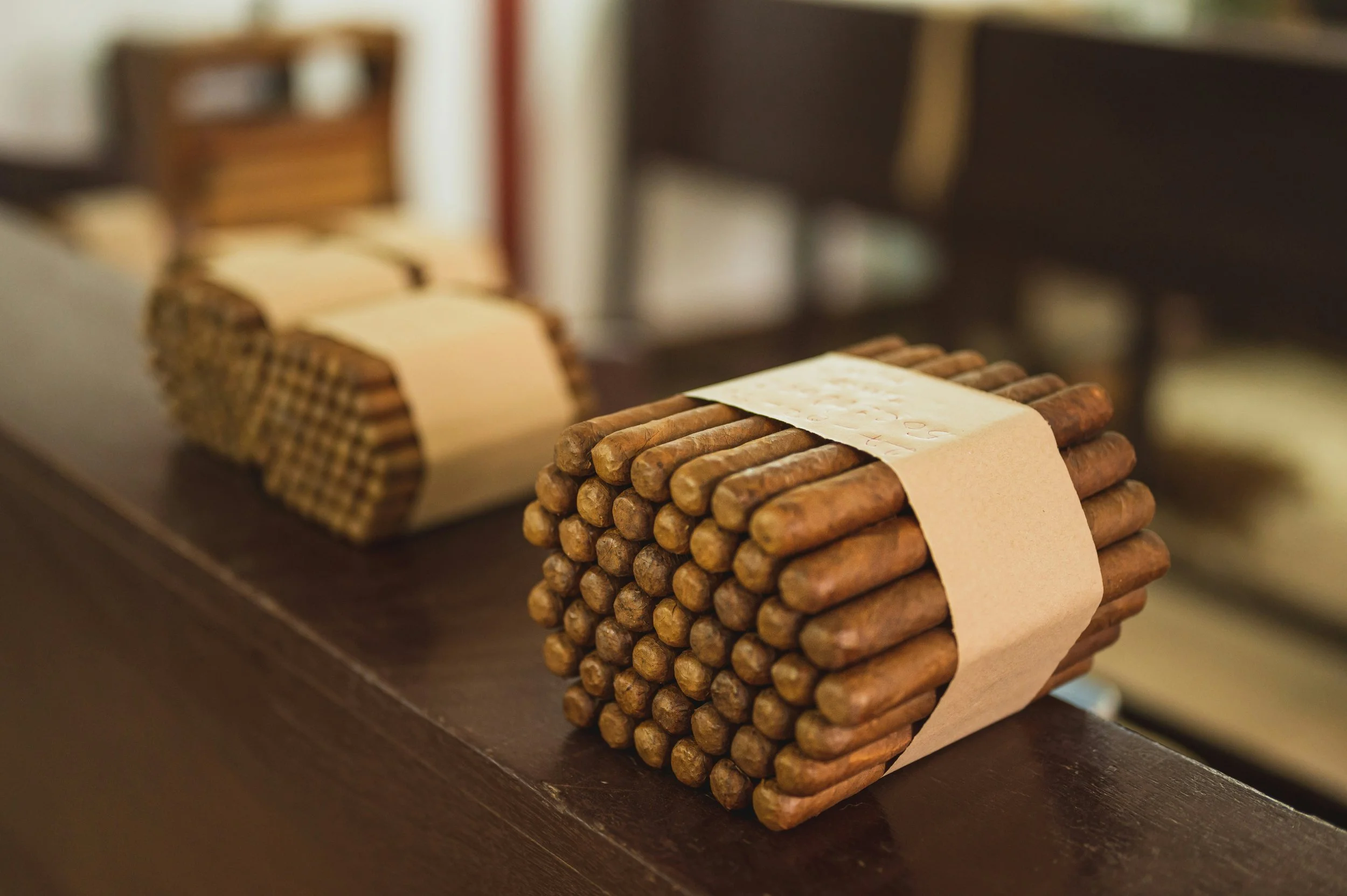
Most humidors don’t fail because they’re too small. They fail because the owner never decided what the cigars inside are actually for. Everything ends up living together in one crowded box, and suddenly you’ve got expensive sticks ageing next to impulse buys, celebratory cigars getting smoked on a random Tuesday, and “daily smokes” sitting untouched for two years because you forgot they were there.
When people talk online about “what are you smoking today?” or “my current top five,” what they’re really revealing is that most smokers naturally build a rotation anyway. They might not call it that, but it’s there: a handful of reliable favourites they reach for without thinking, a few “special” cigars they save for the right moment, and a separate stash they’re deliberately leaving alone to see what time does.
A proper rotation is just making that instinct intentional. It’s the difference between having cigars and having a plan.
It also saves you from the most common collector mistake: hoarding for the sake of hoarding. I’ve seen plenty of seasoned smokers say some version of the same thing: “Too many” is when you’ve got more cigars than you’ll realistically smoke before they hit their peak and start drifting the other way. Cigars can age beautifully, but they don’t improve forever in a straight line. If your stash is growing faster than your smoking pace, you don’t have a rotation anymore—you’ve got a museum, and some of it will quietly go to waste.
So the goal of a “perfect rotation” isn’t owning the most cigars. It’s owning the right cigars at the right stages, so you’re always smoking well without constantly buying in panic or smoking things too young out of impatience.
How I Structure a Stash So It Always Makes Sense
If you want a rotation that feels effortless, you need to separate cigars by purpose, not by brand. I think of it like three shelves in my head, even if they’re all sitting in the same humidor or tupperdor.
The first shelf is the daily world. Not “cheap rubbish,” just cigars you can smoke often without feeling like you’re burning money. These are your reliable, repeatable smokes—the ones that behave, burn well, and still taste good even when you’re not treating it like a ceremony. In forum talk you’ll often hear the term “daily driver,” and it’s exactly that: the cigar you reach for when you want a cigar, not a project.
The key with daily cigars is consistency and availability. If you find one you love but it’s impossible to replace, it’s not a daily driver—it’s a special cigar pretending to be casual. Daily cigars should also match how you actually live. If most of your smoking time is 35–45 minutes, chasing only big ring gauge beasts makes no sense, no matter how good they are. Your rotation should fit your schedule, not your fantasy.
The second shelf is what I call the “impress your friends” zone, but it’s not about showing off. It’s about reliability under pressure. These are the cigars you bring when you’re with other smokers, when you’re gifting, or when you want a cigar that simply won’t embarrass you. You’re not experimenting here. You’re picking proven performers. The goal is to reach into the humidor without thinking too hard and pull out something that makes the evening feel upgraded.
A lot of people build this shelf accidentally: they buy a box they love, smoke a few, realise it’s too good to waste as a daily, and it naturally gets reserved for “the right moment.” That’s healthy. The only mistake is letting that shelf become so precious that nothing ever gets smoked. A celebration cigar that never leaves the box is just expensive decoration.
The third shelf is the ageing shelf—the cigars you’re deliberately leaving alone for the long game. This is where people get romantic, and I get it. There’s something deeply satisfying about buying a box, putting it away, and knowing that future-you is going to light one up years from now and taste what time did. And this isn’t just myth. A lot of cigars do settle and integrate with rest: rough edges calm, sharper volatiles fade, and flavours “marry” into something smoother and more cohesive. You’ll see the same ideas repeated across cigar ageing discussions: stability matters, time can reduce harshness, and the experience can become more refined when the cigar is stored properly.
Here’s the part most people skip: the ageing shelf needs intent. You’re not just throwing cigars into the back of the humidor and hoping they become legendary. You’re choosing cigars that have enough structure to age, and you’re choosing an ageing timeline that matches your actual smoking pace. If you smoke two cigars a week and you buy ten boxes to “age ten years,” you’ve built a future burden, not a rotation.
A rotation also works best when it has a little seasonal logic. Some cigars shine in warm weather—brighter profiles, lighter textures, cigars that feel clean and refreshing rather than heavy. Some cigars feel perfect in winter—richer, darker, slower smokes that pair well with heavier drinks and longer evenings. You don’t need to overthink it, but if you’ve ever smoked a heavy, peppery cigar in a heatwave and wondered why you didn’t enjoy it, you’ve already felt the seasonal effect.
One more thing that makes a rotation feel professional is how you smoke through boxes. A lot of experienced smokers don’t keep twenty different open boxes at once. They keep a handful in active rotation, sample to see what’s “smoking well,” then smoke through them in an order that makes sense. That approach shows up often in long-time community discussions because it reduces chaos and stops you from losing track of what’s peaking.
So if you want the rotation to run itself, don’t just buy more cigars. Decide what your “active” section is, what your “special” section is, and what your “do not touch yet” section is—and then protect those boundaries.
Long-Term Ageing for 5–10 Years Without Turning It Into a Hoarding Hobby
Ageing cigars for years sounds glamorous until you realise what it actually demands: stability, patience, and a bit of honesty.
Stability is the big one. People love giving a single “perfect” humidity and temperature, but the real truth is less sexy: cigars age best when conditions are steady. Swings are what do damage. Too much humidity invites mould risk and burn problems; too little dries cigars and can change the smoke character. Most mainstream guidance clusters around the mid-to-upper 60s RH with cool, stable temperatures for long-term storage, but the practical win isn’t the exact number—it’s consistency.
Patience is the second. Ageing isn’t a straight upgrade button. Some cigars peak earlier than others. Some improve for a while, then flatten. Some get smoother but lose the sharp edges that made them exciting. That’s why I like the idea of ageing with checkpoints. Not in a rigid “schedule,” but in a simple habit: you smoke one occasionally from the box to see where it’s going. That’s how you avoid waking up ten years later to discover you aged the personality out of something you used to love.
Honesty is the third. If you’re ageing cigars, ask yourself what you’re trying to achieve. Are you trying to calm sharpness? Are you trying to deepen sweetness and texture? Are you trying to see how a blend evolves over time? Or are you ageing because ageing feels like the “serious” thing to do? There’s nothing wrong with wanting a cellar, but the best rotations come from purposeful ageing, not ageing as a flex.
If you want a clean way to build a 5–10 year section without getting lost, you need two simple disciplines.
One is choosing the right candidates. Cigars with enough body and structure tend to handle time better than cigars that are already extremely delicate. Many ageing discussions point out that a bit of youthful sharpness can be a good sign—something for time to polish—while cigars that are already ultra-soft and subtle can sometimes fade rather than evolve.
The other is storage discipline. If you’re serious about ageing, don’t constantly open and disturb those boxes. Keep them in a stable zone, and don’t treat your ageing shelf like a browsing shelf. The more you shuffle, the more you introduce swings and handling damage. Ageing cigars is boring on purpose.
Now, the fun part—the part you mentioned about “adding your own experiments and photos”—is exactly how you make this topic feel real rather than theoretical. If you want to show readers how a rotation works, you don’t need lab data. You need proof from your own process.
Take the same cigar from the same box and smoke it fresh, then again after a year, then again after three. Photograph the wrapper before lighting, the burn line ten minutes in, and the ash structure. Note the draw and whether you needed corrections. A lot of smokers talk about humidity changes affecting draw and burn, and those differences show up visually: how even the burn is, how much the cigar wants to tunnel, how often it asks for a relight.
And don’t underestimate how valuable it is to label what you’re doing. If you’re ageing boxes, mark them clearly. Not fancy—just enough that you can glance and know what’s in long sleep and what’s in active rotation. The point of a rotation is to remove decision fatigue. Your humidor should make choices easy, not turn every smoke into a rummage session.
At the end of the day, the “perfect rotation” is personal. The best one is the one that matches your life. Daily cigars that you actually want to smoke. Celebration cigars that truly feel like a step up. Seasonal picks that make sense for your mood and weather. And a small, intentional long-term section that you’re ageing with purpose, not just because everyone else is doing it.
That’s how you end up with a stash that feels alive. Not a pile of cigars. A rotation you can trust.