The Setup: Everything That Decides a Cigar Before You Ever Light It
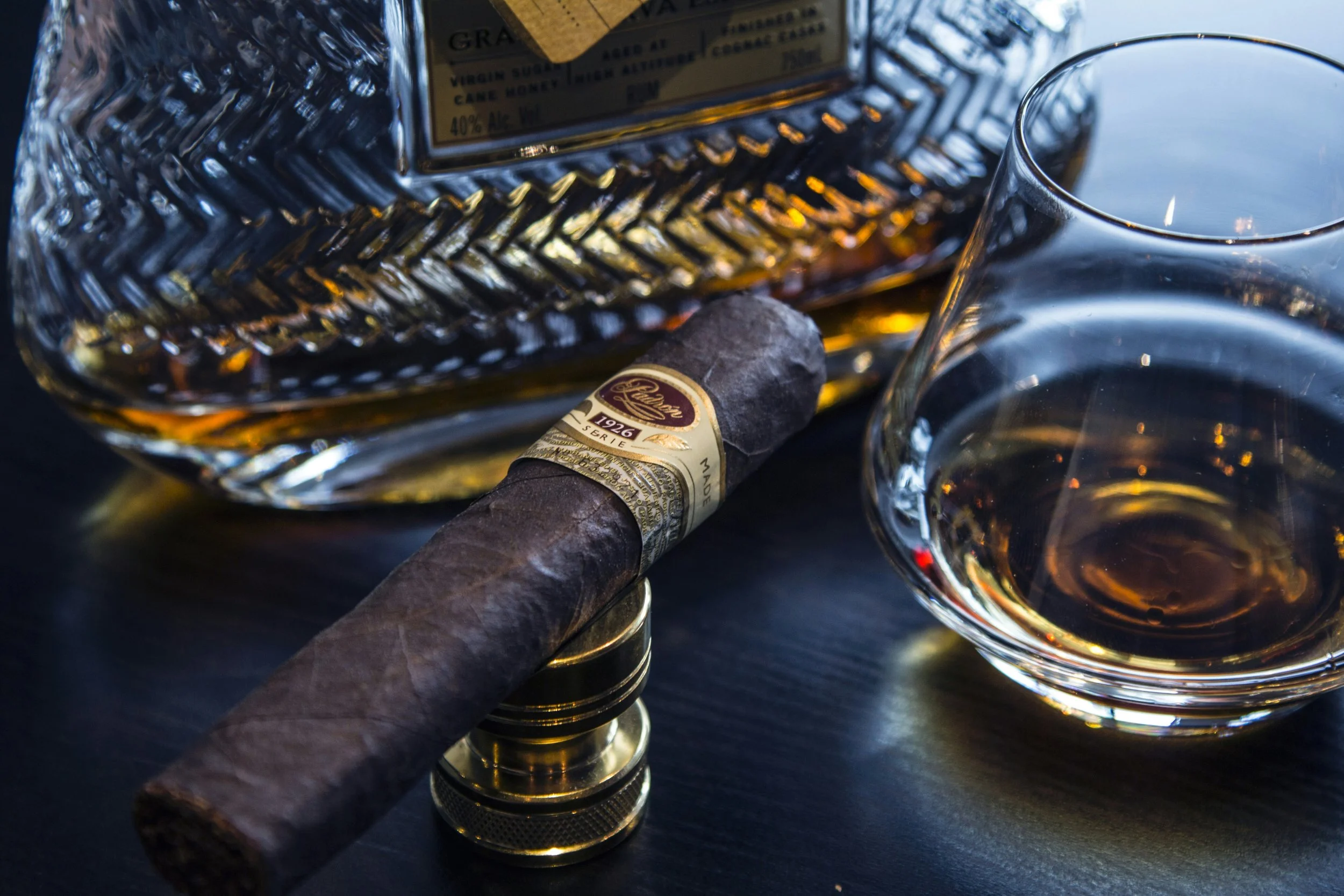
Most people believe a cigar begins with fire. That’s understandable. Flame is dramatic, visible, and symbolic. But in reality, the cigar has already made most of its decisions long before you ever reach for a lighter. By the time smoke appears, you’re no longer in control of the fundamentals—you’re reacting to them. That’s why I’ve always believed the real cigar experience begins earlier, in what I call the setup.
The setup is quiet. There’s no smoke, no ash, no tasting notes. And yet this is where the success or failure of the next hour is most often locked in. Tight draws, uneven burns, bitterness, disappointment—these things rarely come out of nowhere. They usually come from ignoring what the cigar was telling you before it was ever lit.
The first interaction I have with a cigar is physical, not intellectual. I don’t analyse, I don’t judge, I don’t compare. I simply handle it. Touch is underrated in cigar culture, yet it’s one of the most honest signals you’ll ever get. A well-kept cigar tends to feel evenly firm with a slight give, like something alive but controlled. Not spongy, not rigid. When I feel random hard knots, abrupt changes in density, or hollow spots, I don’t panic—but I take note. A cigar is an airflow system wrapped in leaf. Irregular density almost always means irregular airflow, and irregular airflow shows up later as burn and draw problems.
Humidity is the second silent conversation happening in your hands. People love to argue numbers as if cigars respond to digital readouts, but cigars respond to condition. Over-humidified cigars often feel slightly swollen, soft in a way that doesn’t spring back, and they tend to smell heavier, sometimes sweet but muted. Under-humidified cigars feel dry, brittle, papery, sometimes sharp on the nose. Neither extreme is friendly. Too wet and the cigar struggles to combust evenly, tunnelling and bitterness become likely, and the draw tightens as the filler swells. Too dry and the cigar burns hot and fast, flavours thin out, and the wrapper becomes fragile. The setup is where you notice this and decide whether the cigar is ready now, needs rest, or needs drying. That decision alone can completely change the experience.
Smell plays a larger role here than most people admit. Before lighting, aroma is pure potential. I smell the wrapper first. That usually tells me about refinement and elegance—hay, cocoa, soft wood, light sweetness, sometimes a faint floral note. Then I smell the foot. The foot often reveals structure and intent—earth, spice, fermentation depth, sometimes a darker sweetness or mineral edge. I’m not chasing poetic descriptions. I’m asking basic questions. Does this smell clean or muddy? Bright or heavy? Subtle or assertive? Your brain is already forming expectations whether you want it to or not. Paying attention simply makes that expectation conscious instead of accidental.
The cut is not a ritual, it’s a mechanical decision. A poor cut can sabotage even a perfectly made cigar. Too shallow and you restrict airflow, forcing yourself to draw harder, which raises temperature and invites bitterness later. Too deep and you risk unraveling the cap, destabilising the structure of the cigar, especially in the final third. The goal isn’t fashion or tool choice; it’s function. Open the cigar enough to let smoke move freely without effort. The cold draw should feel easy but not hollow. If you’re already struggling before fire, you’re setting yourself up for frustration.
One of the most overlooked parts of the setup is mindset. Cigars don’t reward urgency. The most common mistake beginners make isn’t choosing the wrong cigar—it’s smoking with the wrong rhythm. Cigars are not cigarettes, and they don’t tolerate being treated like one. Heat is not neutral. Heat changes chemistry. The hotter a cigar burns, the more it pushes harsh compounds forward and collapses subtlety into bitterness. You can destroy a beautifully blended cigar simply by puffing too often. This isn’t opinion; it’s combustion reality. The setup phase is where you decide whether you’re going to sip or rush, listen or dominate.
Environment also belongs in the setup, even though most people ignore it. Wind, temperature, noise, distractions—all of these influence how you smoke. A windy terrace can cause a cigar to burn hotter and unevenly. Cold air can mute aroma. Loud environments encourage faster smoking. None of this means you shouldn’t smoke there—it just means you should be aware. Cigars are sensitive instruments. Pretending environment doesn’t matter is like pretending acoustics don’t matter in music.
There’s also an emotional element to the setup that rarely gets discussed. A cigar isn’t just leaf and fire; it’s time. If you’re rushed, stressed, or distracted, that shows up in how you smoke. You puff more. You pay less attention. You miss nuance. The setup is the moment where you decide whether the cigar is background noise or a conversation. Neither choice is wrong, but confusing the two often leads to disappointment.
What I’ve learned over time is that most cigars want to perform. They’re not hostile objects waiting to disappoint you. When they fail, it’s often because they weren’t given a fair stage. Bad storage, careless cutting, rushed lighting, aggressive smoking—these things stack quietly against the cigar. By the time bitterness appears or the burn goes wrong, the damage was already done earlier.
The setup isn’t glamorous. There are no dramatic flavours, no Instagram moments, no heroic ash stacks. But it’s where respect begins. And respect, in cigars, tends to come back to you. A cigar that’s handled calmly, stored honestly, cut properly, and approached with patience usually responds in kind.
By the time you strike a flame, the performance has already been rehearsed. The setup is where you decide whether the cigar is walking onto the stage prepared—or whether it’s going to spend the next hour trying to recover from a bad start.