Treatments Before the Harvest: The Quiet Work That Decides Your Cigar
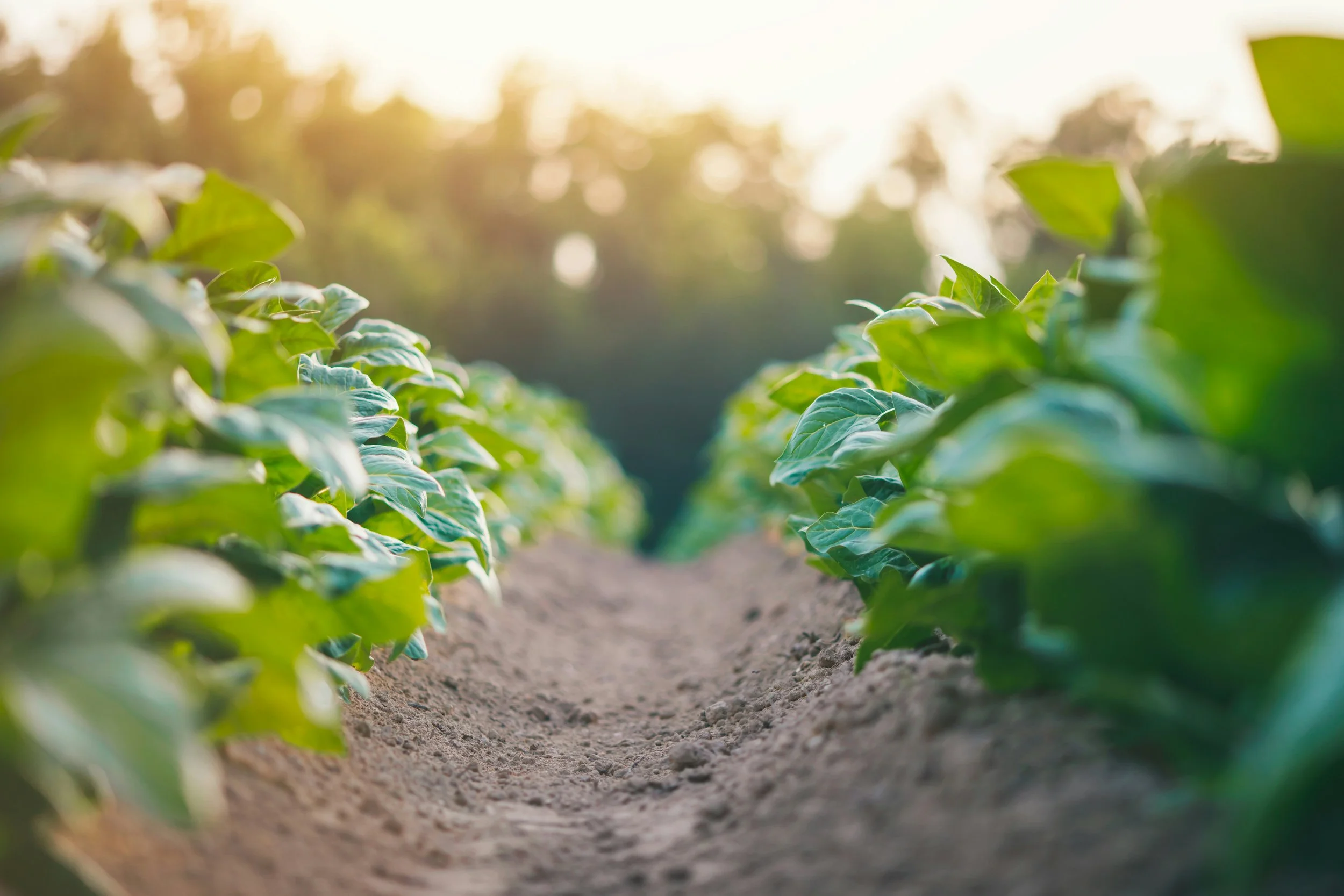
When people talk about cigars, the conversation usually starts at fermentation, aging, rolling, and the romance of the finished stick. But if you really want to understand why one cigar feels silky and sweet while another tastes sharp, hot, and messy, you have to rewind to before the harvest—back to the field, while the leaf is still alive. Because that’s where most of the “quality” is decided.
I call these pre-harvest moves “treatments,” not in the sense of some secret sauce, but in the literal sense of how the plant is handled, fed, protected, shaped, and guided. Tobacco is incredibly responsive. Change the nitrogen a bit and you change nicotine, sugars, and burn behavior. Change potassium and you can affect texture and combustibility. Push water the wrong way and you can dull aroma or invite disease. Top too early or too late and you shift the chemistry in the whole plant. Even the way a wrapper crop is shaded changes the leaf’s thickness and elasticity in a way you can feel later under your fingertips.
So if we’re talking about pre-harvest treatments “for cigar tobacco,” what we’re really talking about is this: how growers create the kind of leaf that can be fermented cleanly, aged beautifully, and smoked with balance.
How Growers “Shape” the Tobacco Plant Before the Harvest
The biggest misconception beginners have is thinking tobacco leaves are like grapes—just let them ripen, pick them, done. Tobacco is more like a disciplined athlete. If you don’t train it, it grows in ways that look productive but don’t always make good cigar leaf. Pre-harvest treatments are the training program.
The first major “treatment” is how the crop is started and established. Even before the field, seedbed and transplant health matter because early stress tends to echo through the season. Strong root development and steady early growth usually lead to more uniform leaf maturity later. Uniformity is a quiet obsession in cigar tobacco because uneven maturity means uneven chemistry, and uneven chemistry means uneven fermentation.
Once the plant is in the field, the grower starts making decisions that directly sculpt what the cigar will become. One of the most important is topping—removing the flower head. This is not just “farm tradition.” It forces the plant to stop spending energy on reproduction and redirect that energy into the leaves. That shift changes leaf chemistry in real ways, including nicotine levels and overall leaf “body.” Agronomy reviews that look specifically at nicotine concentrations point out that topping is one of the major practices that alters nicotine outcomes.
But topping creates another problem: the plant responds by trying to grow “suckers,” those little shoots that pop out at leaf junctions. Left unchecked, suckers steal nutrients and water from the leaves you actually want, and they make the plant behave like it’s constantly restarting. That’s why sucker control is a huge part of pre-harvest tobacco management. Some growers do it by hand, others use contact products, and many use systemic approaches. In mainstream production guides, maleic hydrazide is described as a systemic sucker control that is absorbed and translocated to stop sucker buds from developing.
Now, cigar tobacco isn’t one universal thing. Wrapper, binder, and filler are different jobs, and the plant has to be handled differently depending on what you’re trying to produce. Wrapper leaf, especially, is treated like luxury fabric. It needs to be thin but strong, elastic, smooth, and visually clean. That’s why shade-grown wrapper exists. Shading changes light intensity and the microclimate around the leaf, influencing thickness, texture, and appearance; classic shade tobacco documents describe cigar-wrapper production under cloth shade and treat it as a distinct system from other tobacco types.
A good grower is essentially managing a balancing act: give the plant enough stress to concentrate character, but not so much stress that it becomes bitter, thin, disease-prone, or uneven. Too much growth push can make leaves thick and coarse. Too little can make them fragile and under-developed. This is where feeding and water become the core “treatments.”
Feeding, Water, and Protection: The Treatments That Decide Flavor and Burn
Let’s talk fertilizers in plain language. Tobacco is hungry, and the way you feed it changes what ends up in the leaf. Nitrogen is the headline nutrient because it influences growth, nicotine, and overall leaf chemistry. Multiple sources describe nitrogen as one of the most influential nutrients for tobacco yield and quality, and studies consistently show the trade-off: as nitrogen rates rise, nicotine and total nitrogen tend to rise while sugars can drop, and quality can improve up to a point and then decline if pushed too far.
That’s the part that matters for cigars. Sugars help round the smoke; too little sweetness can make a cigar feel dry and sharp. Nicotine brings strength, but too much can turn a cigar into a punishment. The plant’s nitrogen management is one of the levers that shifts this balance. It’s not the only lever, but it’s a big one.
Potassium is the unsung hero. If nitrogen is about “how much plant,” potassium is often about “how well the plant works.” Potassium has long been linked with burn characteristics and leaf texture, and research discussing tobacco quality commonly mentions that potassium deficiency can harm texture and burning properties. Modern work also keeps returning to potassium and chloride balance as part of cured leaf quality.
Then there’s water. Tobacco isn’t a swamp plant and it isn’t a cactus either. Irregular water—too much, too little, too sudden—can lead to uneven growth and uneven ripening. The practical guidance you see repeated across cultivation discussions is that both deficit and excess irrigation can deteriorate leaf quality. And here’s the cigar-specific point: uneven leaf condition at harvest doesn’t magically fix itself later. Fermentation can polish many things, but it doesn’t love inconsistency.
Protection is the third pillar. Tobacco attracts trouble: insects that chew and suck, fungi that spread fast in humid conditions, and a whole list of diseases that can ruin wrapper crops in particular. Integrated Pest Management is the grown-up way of talking about how good farms actually operate: scout, identify, use thresholds, preserve beneficial insects, and only apply interventions when needed. IPM manuals for tobacco go into pests like hornworms and aphids and the logic of timing and product choice.
For cigar-wrapper tobacco, disease pressure isn’t just about yield—it’s about appearance. Blue mold, for example, is notorious in wrapper growing, and research has looked at approaches that improve protection in shade-grown wrapper systems. Again, the reason this matters to cigar smokers is simple: wrapper is the face of the cigar. Even tiny damage becomes a visible defect, and visible defects often signal deeper stress in the leaf.
There’s also a more philosophical part of “treatment” here. A good cigar leaf needs to be alive enough to develop character, but healthy enough to cure and ferment cleanly. Over-treating—pushing too many inputs, reacting too aggressively to every small pest sighting, forcing unnatural growth—can create leaf that looks big and impressive but ferments poorly or tastes flat. Under-treating lets pests, disease, and nutrient swings write the story instead. The sweet spot is calm control.
Ripening Decisions: Timing, Leaf Position, and the Last Weeks Before Harvest
The final pre-harvest treatments are about timing and maturity. This is where a lot of cigar character is won or lost.
Tobacco doesn’t ripen like a uniform sheet. Leaves mature by position on the stalk. Lower leaves (primings) ripen first, often with lower nicotine and higher sugars, while the upper leaves tend to be thicker, stronger, and higher in nicotine. Production guides quantify these differences in nicotine and sugar ranges across leaf positions, which is one reason priming schedules matter so much.
For cigar tobacco, this is directly connected to blending. The blender later decides how much of the top primings (often stronger and heavier) to use versus the middle and lower leaves (often sweeter and more aromatic). But those primings only exist if the grower harvested at the right maturity. Pick too early and you trap green chemistry in the leaf. Pick too late and you risk over-maturity, weather damage, or texture changes that can hurt wrapper quality.
This is where “ripening” becomes a controlled art. Farmers are watching color shifts, leaf feel, elasticity, thickness, and the way the leaf hangs. Some systems also use growth regulators and ripening aids in certain tobacco types, but cigar production tends to be more conservative because anything that disrupts natural leaf development can have downstream effects in fermentation and smoke character. Even in the sucker-control world, research has documented that timing and degree of sucker control can influence cured leaf characteristics, which tells you how sensitive the crop is in this late window.
The last weeks are also when stress management becomes crucial. Heat spikes, cold snaps, sudden heavy rains, or drought stress can all shift the plant’s chemistry. That matters because the cigar world loves the word “terroir,” but terroir includes weather stress, and weather stress can change leaf composition and curing behavior. The grower can’t control the sky, but they can control how the plant responds—through irrigation decisions, canopy management, shading strategy, and harvest timing.
And then there’s the human reality: cigar tobacco is often selected more ruthlessly than other tobacco types. Wrapper in particular is a harsh judge. If a leaf is too thick, too veiny, spotted, torn, or stressed, it gets downgraded. That’s why pre-harvest treatments for wrapper look almost obsessive: shading, careful pest management, careful feeding, careful harvest timing. The goal isn’t just “good tobacco.” The goal is leaf that can physically behave as wrapper and still taste good.
If you take one thing from all this, it’s that pre-harvest treatments are not just farming chores—they’re flavor decisions. Topping and suckering don’t just change plant shape; they shift chemistry. Nitrogen and potassium aren’t just “growth nutrients”; they influence nicotine, sugars, texture, and burn. Water isn’t just keeping the plant alive; it’s controlling uniformity. Pest and disease management isn’t just preventing damage; it’s protecting fermentation potential and wrapper beauty.
That’s why I always say the cigar is decided long before the box date. You can be a genius blender and you can run perfect fermentation rooms, but if the leaf wasn’t treated properly before harvest, you’re polishing problems. When the leaf is treated properly, everything downstream becomes easier: fermentation runs cleaner, aging develops more nuance, and the finished cigar feels balanced rather than forced. That quiet work in the field—weeks before a single leaf is cut—is the first real step of luxury.