Tight Draws, Tunnelling & Canoeing: Why Your Cigar Burns Badly (and How to Fix It)
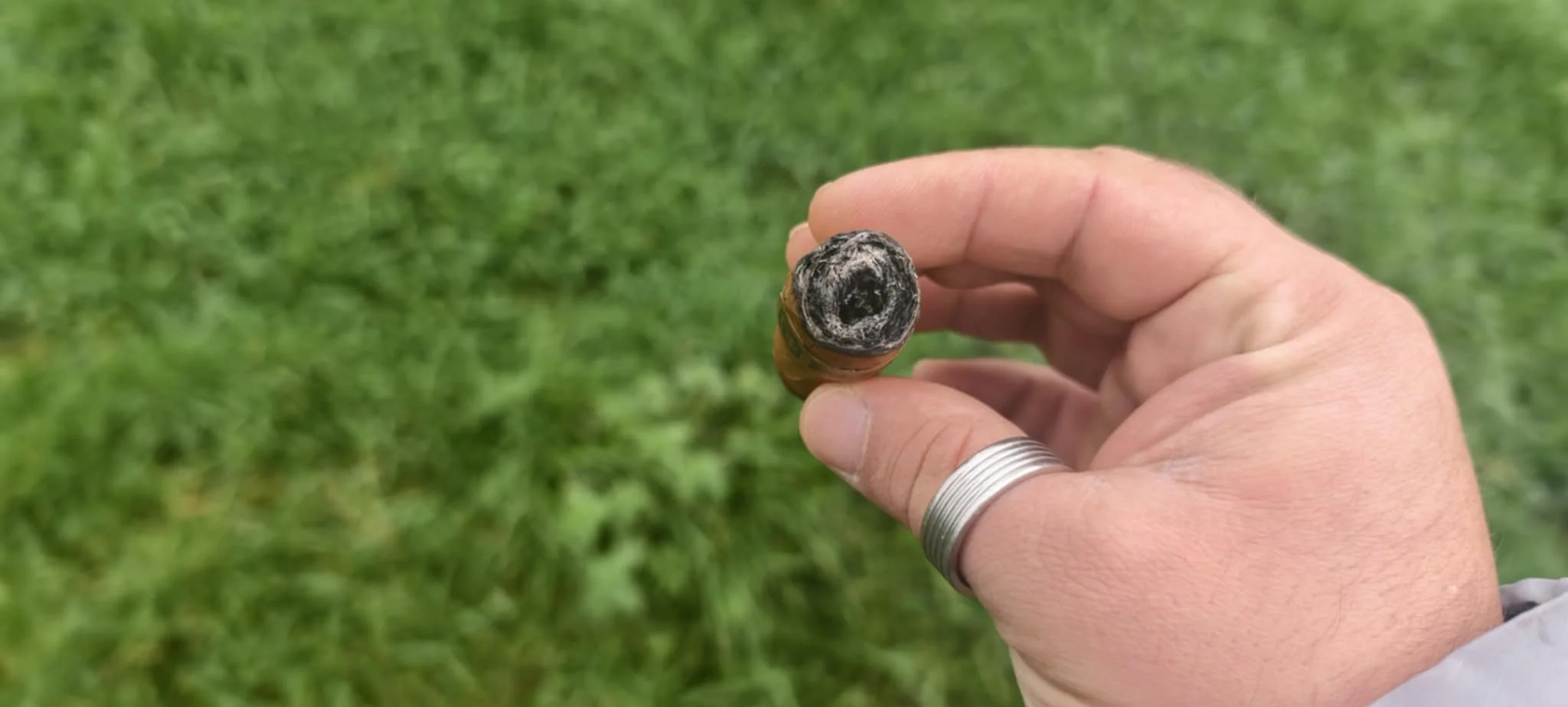
Nothing ruins a good night like a bad-burning cigar. You sit down, cut, light, and instead of relaxing you spend an hour wrestling with a tight draw, one side racing ahead, or a tunnelling core that looks like a paper straw over a charcoal stick. The annoying part is that these problems usually aren’t random. Tight draws, tunnelling and canoeing almost always come from some mix of three things: construction, humidification and technique. Once you understand what’s actually going on inside the cigar, you can usually either fix it or at least decide quickly whether it’s worth saving or better in the bin.
For me, everything starts with airflow. A cigar is nothing more than fermented leaf wrapped around a little chimney. If the bunch is packed too tight or has a knot of stem jammed in the middle, the draw is stiff, the ember runs too hot where it can get air and too cool where it can’t, and you start seeing all the classic symptoms: one side lagging, constant touch-ups, smoke that tastes hot and bitter even though you’re not puffing like a train. Poor bunching and bad draw are specifically called out by factories and technical manuals as core causes of burn issues; they warn that over-packed cigars or those with dense “plugs” of stem in the filler restrict airflow and force the ember to behave badly. On the flip side, under-filled cigars can burn too fast and too hot, collapsing into soft spots and cone-shaped embers that never feel right.
Humidity is the second big villain. Over-humidified cigars burn like wet firewood. The wrapper and binder can be slightly drier than the core, which means the outside wants to burn while the inside is still spongy. That’s where tunnelling comes from: your wrapper line marches forward in a nice circle, then suddenly you’re staring at a smoking hole down the middle and a ring of unburned wrapper and binder around it. Under-humidified cigars have the opposite problem. The wrapper gets brittle, the bunch is too dry, and the lightest unevenness in your toasting or draw can send one side racing while the other side lags, which becomes canoeing. Storage guides hammer this home: cigars kept too wet tend to tunnel or constantly go out; cigars kept too dry are more prone to uneven, fast, hot burns and cracked wrappers.
Then there’s technique. Even a perfectly rolled, perfectly stored cigar can burn like garbage if you light it carelessly or smoke it like a cigarette. Ripping on a cigar with rapid, deep puffs overheats one part of the ember and starves another, so you get one channel glowing and the other side sulking. If you light in a hurry and don’t make sure the entire foot is properly toasted and glowing all the way around before you take your first draw, you’ve already started with an uneven burn. And if your cut is crooked or too shallow, you might be forcing the draw through one edge of the bunch instead of the full cross-section. All of that shows up in the ash: cone shapes, sloping “ski jump” burns, black tar spots and that annoying habit cigars have of going out on you just as the conversation gets good.
So tight draws, tunnelling and canoeing are really just three faces of the same problem: airflow and combustion are out of balance. The good news is that a lot of the time you can bring them back into line if you know what you’re doing and you’re willing to be a bit patient.
Fixing the Mess in Real Time
When a cigar starts acting up, I always start with the least aggressive fix and work up from there. Tight draw first. If the cigar feels like sucking a milkshake through a cocktail straw, I don’t immediately grab a tool. I warm it gently and take a few slow puffs to see if the draw improves once the oils loosen. Sometimes what feels tight when cold relaxes as the cigar gets going. If it’s still stubborn after a centimetre or so, I roll it very gently between my fingers along the hard spots to see if I can loosen a knot in the filler. That simple “massage” can sometimes break up a little clump that was restricting airflow, and suddenly the draw opens up.
If that doesn’t work, that’s when I reach for a draw tool. I treat it like surgery, not carpentry. The mistake a lot of people make is ramming something straight down the core and essentially drilling out the heart of the cigar. I prefer to go in from the head, very slowly, turning the tool as I feel my way through, and I stop as soon as I hit resistance that feels like a solid plug. A gentle twist there often shreds the knot enough to restore airflow without hollowing out the whole cigar. Done right, you can turn an almost unsmokable stick into something perfectly enjoyable; done badly, you turn it into a flute and the cigar will burn hot and hollow. The idea is to clear a blockage, not carve a tunnel.
For tunnelling, the first step is to stop feeding the problem. When you see the core racing ahead and the wrapper sulking, don’t just keep puffing. I’ll usually knock the ash, take my lighter and carefully burn away a bit of the wrapper and binder above the tunnel, essentially “resetting” the edge so the ember has a clean circle to work with. Another trick is to purge: blow gently back through the cigar to push hot gases and some of the built-up tar out through the foot, then relight with extra attention to the outer ring. If the cigar is too wet inside, none of this will hold for long. That’s when I park the cigar in an ashtray for a few minutes and let it cool and dry a little before relighting. Sometimes just giving it a rest calms the tunnelling down enough to finish it respectably.
Canoeing—where one side of the cigar runs miles ahead of the other—is similar but usually more visible. If I catch it early, I’ll tilt the slow-burning side down for a couple of minutes so the heat and rising smoke favour the lagging edge, or I’ll simply touch up the slow side with the lighter until the whole line is even again. If I’ve been lazy and half the cigar is now a blackened tongue and the other half is untouched, I get a lot more brutal. I’ll trim back with my cutter to a point just below the worst of the damage, purge, and relight properly, making sure the foot is evenly ignited all round. You lose some length, but you might save the second half of the smoke.
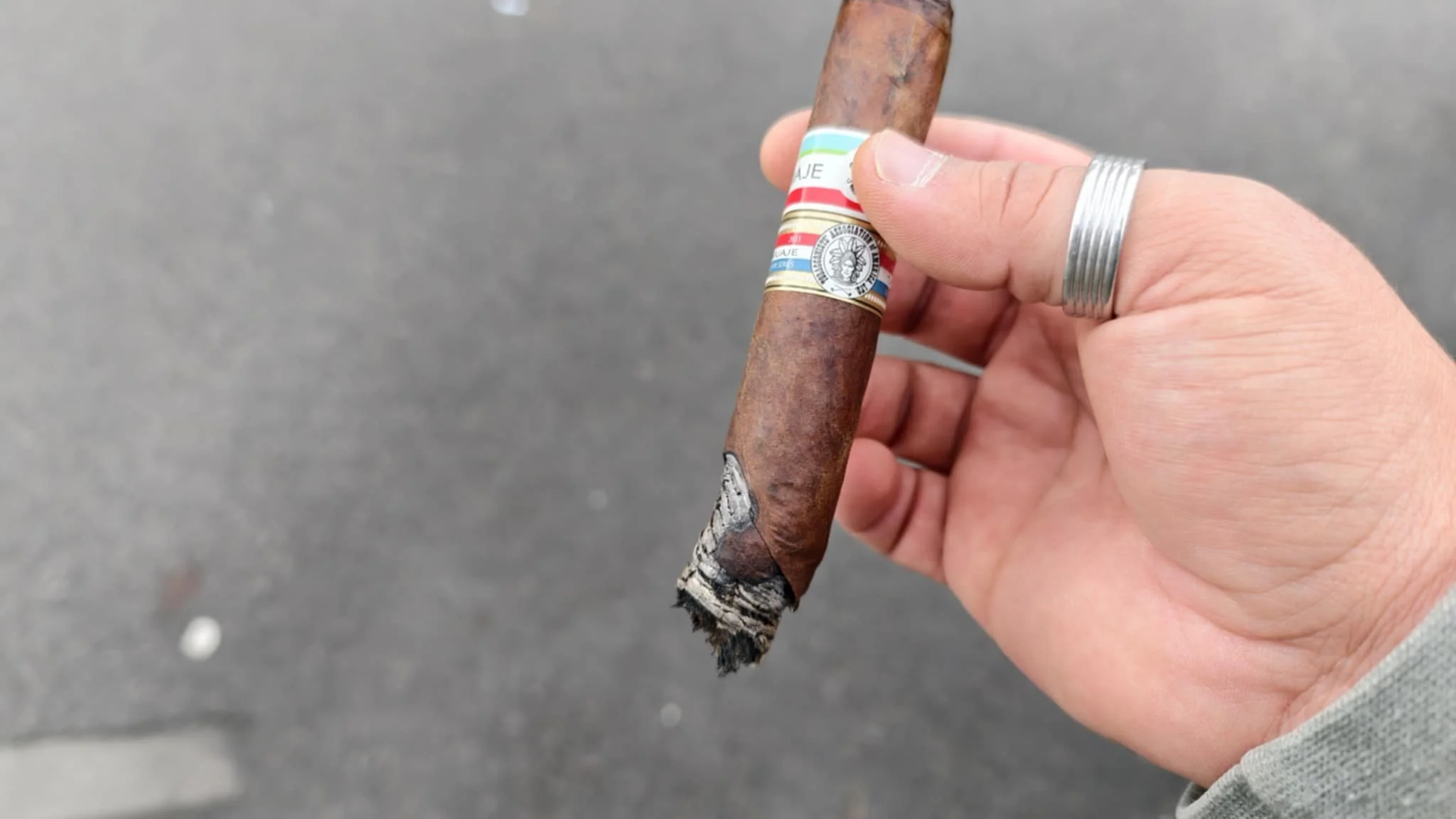
There’s also the flavour side of fixing. Any time I’ve had to mess with a cigar—aggressive touch-ups, deep draw-tool surgery, multiple relights—I like to give it a purge. Blow smoke out through the cigar until you see a bright, cleaner flame at the foot and smell less bitterness. You’re pushing out some of the stale combustion gases and tar that collect in a misbehaving cigar. It won’t turn a disaster into perfection, but it can shift the taste from acrid to at least acceptable.
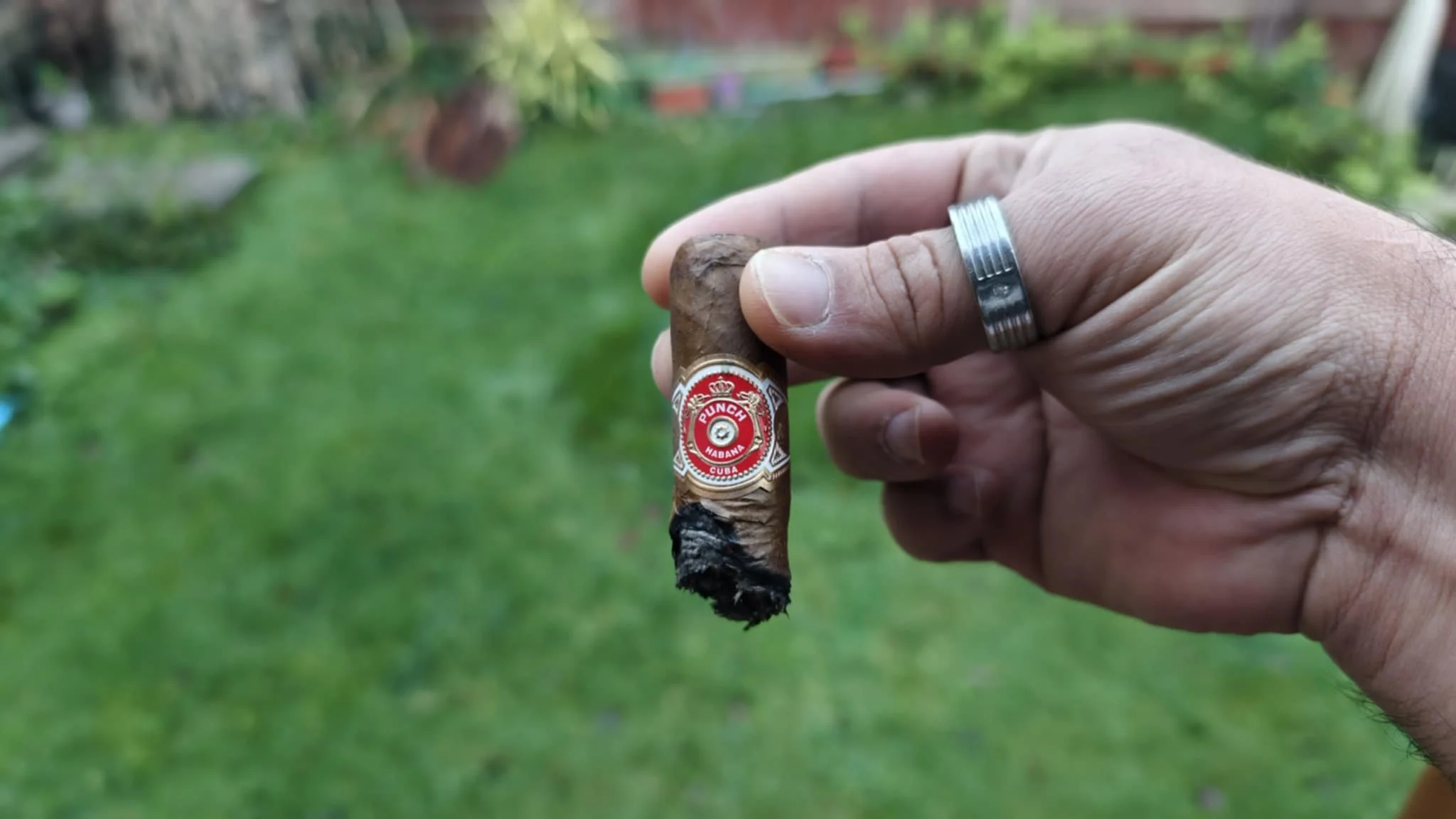
At some point, though, you have to be willing to walk away. If you’ve corrected the burn three or four times, the draw is still like concrete, or the cigar tunnels again the moment you fix it, you’re no longer relaxing; you’re doing unpaid repair work. That’s my line. A bad stick happens. If it’s a one-off from a brand I usually trust, I chalk it up to handmade variance. If it’s a pattern from the same box, that’s a storage issue. If it’s a pattern from the same brand or line over and over, that’s when I stop wasting my money on it.
Prevention: Storage, Cutting, Lighting and Knowing When to Bin It
The easiest burn problem to fix is the one that never starts, and ninety percent of that is storage and the first minute with the lighter. I’ve had far fewer issues with tight draws and weird burns since I started keeping my cigars a little drier than the old “70/70” rule. Somewhere around mid-sixties in humidity, at a reasonably cool, stable temperature, seems to be the sweet spot where cigars draw well, burn clean and develop flavour without getting spongy or splitting. Overstuff a humidor, let it swing up into the seventies, and suddenly tunnelling and canoeing show up much more often. Keep them too dry and you save the burn but sacrifice wrapper integrity and depth of flavour.
Cutting matters more than people like to admit. A lazy, shallow cut that only opens a tiny slit will make even a well-made cigar feel tight and force most of the airflow through one edge of the bunch. A wildly deep cut on a fragile cap can cause unraveling and weird airflow channels. I try to keep it simple: sharp straight cutter or a clean v-cut, just deep enough to open the full bore of the cigar without chewing into the shoulder. Check the cold draw before you light; if it’s already difficult, you know you’re starting with either a construction problem or a bad cut and can fix it before fire complicates things.
Lighting is the last big moment you control completely. I don’t jam the cigar into the flame. I toast the foot gently, rotating until I see the rim of the wrapper and binder start to darken evenly. Then I bring the cigar to my mouth and take the first few puffs with the flame just off the foot, still turning, watching to make sure the cherry forms all the way around. If one side refuses to catch at this stage, I touch that side directly with the flame until it glows. That extra fifteen seconds at the start saves you five frustrated touch-ups later on. It’s the same principle as lighting a campfire: if you only set one corner of the log alight, you can’t complain when it burns unevenly.
All that said, cigars are handmade, and leaf is agricultural. You will get the occasional disaster no matter how careful you are. When that happens, I try to think like a blender or factory manager. Is this a one-off? Fine, move on. Is the whole box acting over-wet, drawing oddly and tunnelling? Then it’s probably my storage, and I’ll dry-box them for a day or two in an empty wooden box with no active humidification and see if they behave better. Is it only this brand that constantly plugs, canoes or tunnels even when everything else in the humidor is fine? That’s when I quietly strike it off my buying list. Life’s too short, and there are too many good cigars out there to spend half your evenings wielding a lighter like a soldering iron.
Bad burns happen, but they don’t have to be mysterious. Tight draws, tunnelling and canoeing are just symptoms of the same thing: airflow and combustion out of balance. Learn what a healthy cigar feels like in the hand, keep your humidor honest, cut and light with purpose, and keep a calm set of fixes in your back pocket. Most of the time you’ll either rescue the cigar or make a quick, clean decision to let it go—and that, ironically, is when cigars become relaxing again instead of work.