Why Some Cigars Are Impossible to Find — And How to Actually Get Them
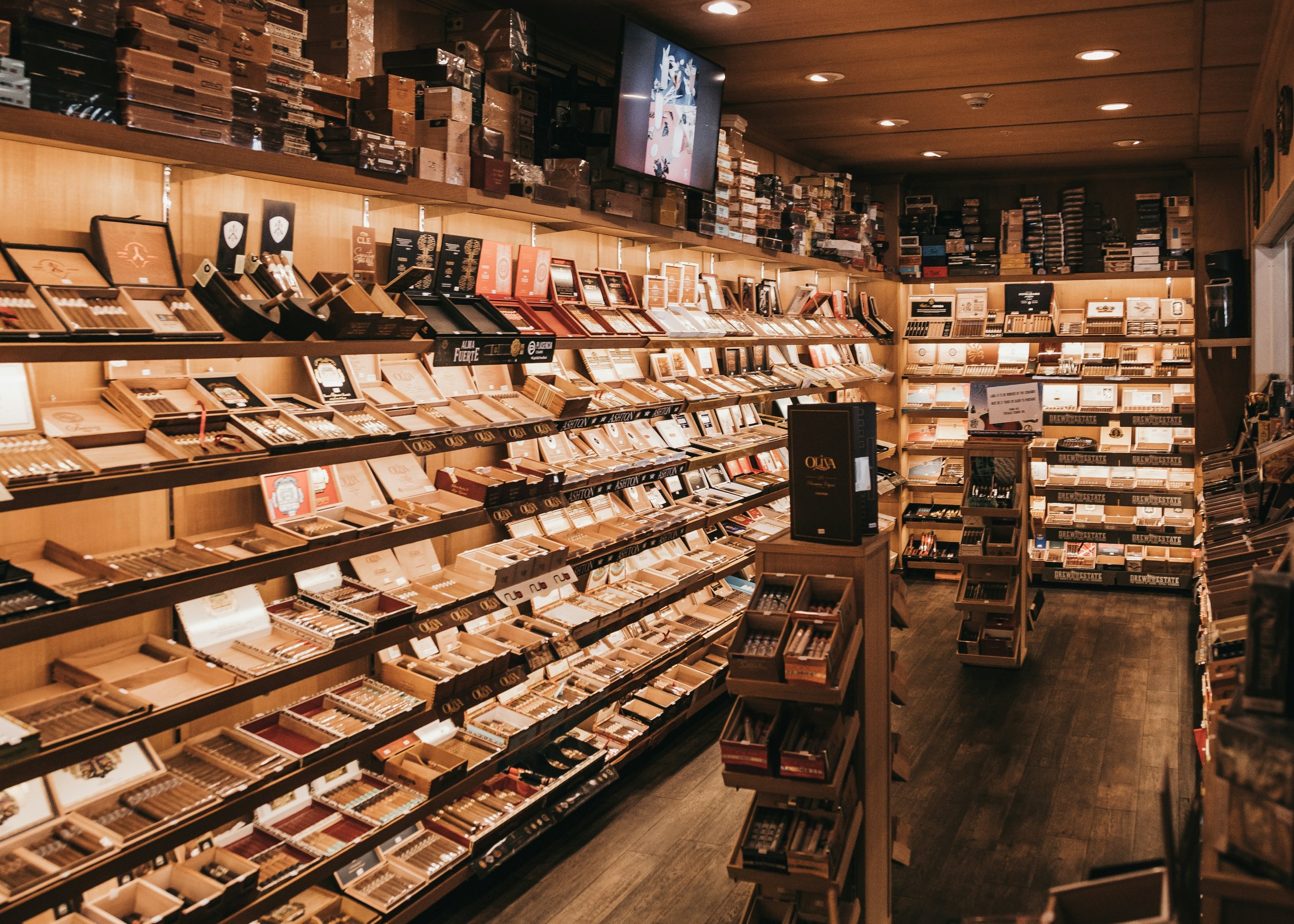
Every cigar smoker eventually reaches the same annoying point. You hear about a cigar, you see a few people posting it, maybe one friend says it was the best thing he smoked all year, and suddenly you want one. Then you start looking. Nothing. Sold out everywhere. No clear restock date. One shop says “maybe later in the year.” Another says they only received a few boxes. Someone online claims to have ten, but the price looks suspicious and the photos look like they were taken with a potato.
That is when you realise cigar hunting is a completely different hobby from cigar smoking.
Some cigars are hard to find because they are genuinely rare. Some are hard to find because distribution is messy. Some are hard to find because shops quietly allocate them to regulars before they ever touch the shelf. Some are hard to find because the internet created a stampede around a release that was never meant to supply everyone. And some are not actually rare at all; they are just being held back, flipped, or dressed up as scarce to make you panic.
This is why “where can I get this?” threads never die. Smokers are not only chasing flavour. They are chasing access.
And access, in cigars, is its own currency.
Why Cigars Disappear Before You Even Know They Arrived
The first reason some cigars are impossible to find is simple production reality. Cigars are not phones or trainers. You cannot just decide the market wants more and double production next month without consequences. Tobacco needs years. Fields need cycles. Fermentation and aging cannot be rushed without the cigar paying for it. If a factory only has enough properly aged wrapper or filler for a certain number of cigars, that is the ceiling. Anything beyond that becomes a different cigar, whether the band says so or not.
That is why true limited runs exist. Sometimes a maker has a small batch of exceptional tobacco, or a certain wrapper crop that will never repeat exactly, or a commemorative release built around a precise number of boxes. Once it is gone, it is gone. You can make another release later, but not the same thing. In the Cuban world, Limited Editions are tied to unusual sizes, darker wrappers, and extra-aged tobacco, which naturally makes them more collectable and more constrained. Regional Editions are even more controlled because they are produced for specific markets, often in fixed quantities, which means the cigar may be available in Portugal, France, Ireland, or the UK but not officially where you happen to live.
Then there is the allocation game.
This is the part nobody likes saying too loudly, but every serious smoker knows it exists. The best boxes do not always go straight onto the public shelf. Shops have loyal customers. Importers have relationships. Retailers receive limited stock and have to decide who gets called first. Sometimes a cigar is “sold out” before it ever looked available, not because of corruption, but because there were only a few boxes and the shop already knew exactly who would buy them.
This is not new. Even decades ago, when rare Cuban shipments arrived in London, prized customers were automatically allocated boxes before the remaining stock reached the shelves. A famous example involved a tiny shipment of double coronas where most boxes never really had a public life at all; they were gone to the best customers almost immediately.
That same pattern still exists, just with email lists, WhatsApp groups, loyalty programmes, and private customer books. The public sees “out of stock.” The regular sees “we kept one aside for you.”
The same thing happens with New World cigars, especially boutique limited releases. A small brand releases a few thousand cigars. Distributors divide them. Retailers receive a handful of boxes. The shop owner then has to decide whether to put them online and watch bots or strangers clear the lot, or quietly offer them to regulars who support the shop all year. Honestly, I understand why many shops choose the regulars. A lounge or tobacconist is not only a checkout page. Relationships matter.
Scarcity also gets worse when a cigar becomes a status object. Once a cigar earns hype, demand stops being purely about smoking. Collectors want it. Flippers want it. People who missed the last release want to “correct” that mistake. Suddenly a cigar that might have lasted a few weeks disappears in hours. Forums and social media accelerate this. One post from the right person can do more than a full advertising campaign.
The Cuban side is even more complicated because the supply situation has been unstable for years. In the UK and Europe, smokers have dealt with inconsistent restocks, rationing, and specific shortages on both premium lines and even some standard cigars. Recent reporting around the UK has described sharp drops in deliveries, de facto rationing among retailers, and continued shortages that are not just a temporary blip.
That is why you can walk into a shop and find expensive prestige cigars but not the everyday Cuban you actually wanted. Scarcity does not always hit evenly. Sometimes the premium lines get prioritised because they return more money. Sometimes classic staples vanish because production or distribution cannot keep pace. Sometimes the cigar exists, just not in your market.
And that is the key point: “impossible to find” often does not mean impossible. It means unavailable through the easy channels.
The Hidden Routes: Allocations, Regional Stock, and the Grey Edges of the Market
Cigars move through layers.
At the cleanest level, you have authorised importers and retailers. This is where you want to buy whenever possible, especially with Cubans or high-value limited editions. You know the stock path, you know the storage is more likely to be reliable, and you have someone accountable if something is wrong.
Then you have regional differences. Some cigars are only released in certain countries. Cuban Regional Editions are the obvious example: they are made for specific territories and officially sold there. That means a cigar may be everywhere in one market and invisible in another. The UK might get access to a release that Spain does not. Ireland might receive its first Regional Edition, and then some of that stock may later appear across the water in the UK through official channels.
This is where serious buyers start thinking geographically. They do not only ask, “Who has it?” They ask, “Which market was it made for, who distributes that market, and which shops are likely to receive it?” That sounds obsessive, but it is exactly how rare cigar buying works.
Then there are private collections and auctions. This is where vintage, discontinued, and genuinely rare cigars live. Aged Cuban Davidoff, Dunhill, old Trinidad, discontinued Cohiba, early Behike, Gran Reservas — these are no longer normal retail cigars. They live in collections, auctions, and private networks. The prices can be ridiculous, but the market exists because certain cigars have crossed from smoking product into luxury asset. Recent luxury coverage has highlighted cigars selling for thousands per stick, with rare Cuban lines and discontinued names commanding huge attention from collectors, especially in Asia.
This is also where danger increases.
The rarer the cigar, the more careful you need to be. Scarcity attracts nonsense. Fake stock, relabelled boxes, bad storage, inflated claims, and sellers who know just enough to sound convincing. A rare cigar from a weak seller is not a find. It is a trap with a band on it.
There is also the softer grey area: private sales, forum marketplaces, and collector swaps. These can be excellent if the community is serious and the seller is known. They can also be risky if you are new, impatient, or too eager to believe a miracle price. Some forum discussions make this tension obvious: people join marketplaces specifically to hunt hard-to-find cigars, but communities often restrict new members because rare-cigar buying attracts both chancers and trouble.
The careful wording here is important. There is a difference between legitimate secondary-market collecting and “backdoor” fantasy. Sometimes a shop quietly saves stock for regulars. That is normal. Sometimes a collector sells from his cellar. Also normal, if honest. Sometimes people imply they have access to secret supply, factory leakage, or unofficial channels that sound too good to be true. That is where I step back.
Real access usually looks boring. It looks like relationships, patience, mailing lists, allocations, regular buying, and being known by shops. Fake access sounds exciting. “I can get anything.” “Factory direct.” “No box but 100% real.” “Special price if you move now.” Those phrases should make your wallet hide.
The funny thing is that the best cigar hunters are usually not the loudest. They do not spend their time begging in every thread. They build quiet relationships with serious retailers. They buy normal cigars, not only unicorns. They show up consistently. They are not rude when told no. Then, when something rare lands, the shop remembers them.
That is how it actually works more often than people want to admit.
How to Actually Get Rare Cigars Without Getting Burned
The first rule is simple: stop chasing everything.
You cannot hunt every rare cigar. You will go broke, fill your humidor with trophies you never smoke, and still miss half the releases. Decide what you actually care about. Cuban Regional Editions? Boutique New World limiteds? Vintage cigars? Particular brands? Specific sizes? The more focused you are, the better your odds.
The second rule is to become a proper customer before you ask for rare stock. Shops do not owe their rarest boxes to strangers who only appear when something hyped drops. If you want access, support the shop when the shelves are normal. Buy your regular cigars there. Ask sensible questions. Be easy to deal with. Over time, you become the kind of person they call.
This matters especially with brick-and-mortar shops. A serious tobacconist has to look after the customers who keep the business alive, not only the people who appear for one limited release. If you want to be on the allocation list, behave like someone worth allocating to.
Online, the same logic applies differently. Sign up for mailing lists from reputable retailers. Follow release calendars. Watch stock drops. Some people in forum discussions recommend getting on email lists with shops known for rare or boutique stock because the first notification is often the difference between buying and missing out.
But do not let urgency make you stupid. When a drop happens, check the seller before the cigar. A rare cigar from a retailer you trust is exciting. A rare cigar from a website you have never heard of, at a price below market, with vague photos and no clear history, is not exciting. It is homework.
Auctions can be useful, but only if you know the market price before bidding. Otherwise the auction turns into theatre. Smokers regularly warn that cigar auctions can produce great prices if you stay disciplined, but you can also pay more than retail once competitiveness and shipping kick in.
With Cuban cigars, authenticity and provenance matter more than bargain hunting. If the cigar is rare, expensive, or heavily faked, the cheapest price is often the worst clue. Buy from authorised or long-established channels whenever possible. If buying privately, ask for clear photos, box codes, provenance, storage history, and community references. If the seller gets offended by normal questions, walk away.
For New World limiteds, the danger is less counterfeiting and more hype buying. A cigar can be genuinely scarce and still not worth chasing. Before you panic-buy, ask whether the maker has a track record, whether the factory is serious, whether early feedback sounds like real smoking notes or just release-day excitement. The cigar that is impossible to find this week may be forgotten in six months.
There is also a practical trick: buy adjacent. If you cannot get the impossible cigar, look at what made you want it. Was it the blender? The factory? The wrapper? The vitola? The brand’s older regular-production line? Often the “next best” cigar is not a downgrade; it is the smarter buy. While everyone fights over the limited edition, the regular-production cigar from the same house may give you 80 percent of the pleasure with 10 percent of the stress.
That is especially true in a market where scarcity can distort judgment. People want what they cannot have. That does not mean the cigar is better. It means the chase is louder.
And finally, be willing to miss out.
That might be the hardest rule. But it is the one that saves the most money and disappointment. There will always be another rare cigar. Another release. Another box that people swear is the one. If you buy every time fear speaks, you are not collecting or smoking; you are being trained by scarcity.
The best cigar hunters are patient. They know where stock usually appears. They know which retailers to trust. They build relationships before asking favours. They move quickly when the right cigar appears, but they do not lose their head. And when the price, seller, or story feels wrong, they walk away.
Because getting rare cigars is not only about access. It is about judgement.
The real win is not finding the cigar everyone else wants. The real win is finding it safely, at a price you can live with, from a source you trust, and then actually smoking it without feeling like you had to sell your dignity to get it.