When the Cut Goes Wrong: The Small Mistakes That Can Ruin a Great Cigar
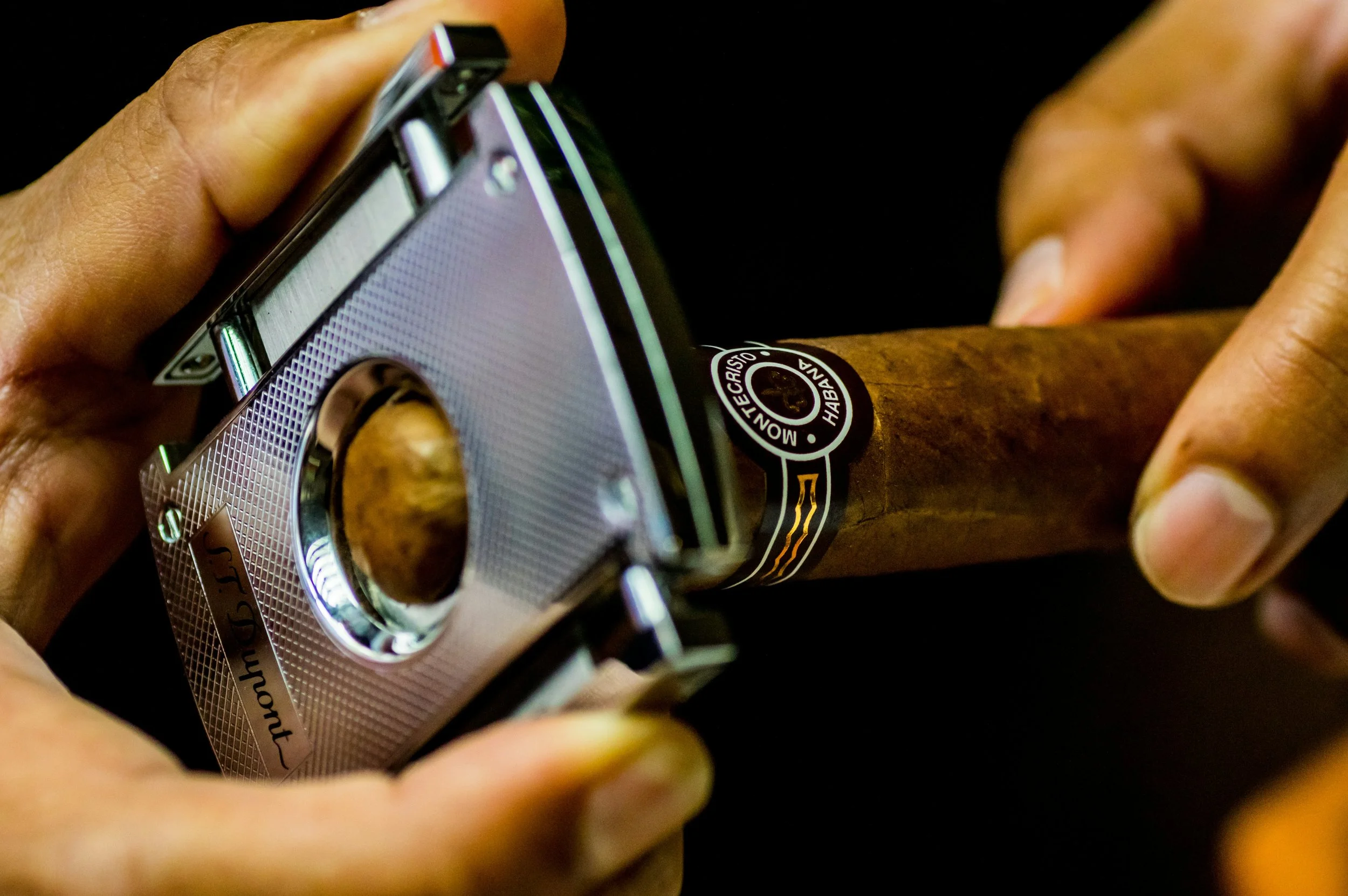
There are few more frustrating moments in cigar smoking than damaging a perfectly good cigar before you have even lit it. You have selected something special from the humidor, perhaps a cigar you have been saving for months, inspected the wrapper, admired the construction and finally decided it is time to enjoy it. Everything looks promising until you reach for the cutter. One quick movement, a small cracking sound, and suddenly the cap is falling apart. What should have been the beginning of an enjoyable hour becomes an exercise in damage control. Sometimes the problem is minor and easily corrected. Other times, an expensive cigar is effectively ruined before the first draw. I suspect almost every experienced cigar smoker has been there. I've certainly had my share of cutting disasters, and some of them happened with cigars I was particularly looking forward to smoking. A wrapper splitting along the shoulder, a cap peeling away, a cutter crushing rather than slicing, or that annoying moment when you realise you've removed considerably more tobacco than intended. It doesn't matter whether you've been smoking cigars for six months or twenty years. Eventually, something goes wrong. Cutting is one of those small rituals we perform so frequently that we rarely think about it. Most smokers develop a preferred cutter and a familiar technique, and after a while the process becomes almost automatic. Yet the construction of a handmade cigar is surprisingly delicate around the head. The cap, wrapper, binder and filler all meet in a relatively small area, and the wrong amount of pressure or an incorrectly positioned blade can disturb that structure in ways that affect the entire smoking experience.
What makes cutting particularly interesting is that not every disaster is caused by the smoker. Sometimes the cigar was already vulnerable before the cutter touched it. Sometimes the equipment is responsible. Occasionally the shape of the cigar creates a challenge that even an experienced smoker can misjudge. And there are situations where the damage looks terrible but can be repaired well enough to enjoy the cigar without much difficulty. Understanding what actually happens when a cut goes wrong is far more useful than simply repeating the familiar advice to use a sharp cutter and avoid cutting too deeply. Those recommendations are sensible, but they barely scratch the surface. The real question is why certain cigars tolerate imperfect cutting while others seem determined to fall apart at the slightest touch.
Why a Simple Cut Can Become a Disaster
To understand why cutting causes so many problems, it helps to look at the construction of the cigar's head. On most traditional parejo cigars, the wrapper is secured near the closed end by one or more small pieces of tobacco leaf known collectively as the cap. These pieces are applied with a small amount of vegetable-based cigar adhesive, commonly made from natural gums or starches. Their purpose is not simply decorative. They help secure the wrapper at the head and provide a finished surface that can be opened without disturbing the cigar's construction. The shoulder is particularly important. This is the curved transition between the rounded head and the straight body of the cigar. If you cut through the shoulder rather than leaving enough of it intact, you risk removing the material that helps keep the wrapper secured. The result can be immediate or gradual. Sometimes the cap simply falls away. Sometimes the wrapper begins lifting after a few draws, particularly once moisture from the mouth starts softening the tobacco and adhesive. This is probably the most common cutting mistake, and also one of the easiest to misunderstand. People often assume that a wider cut must automatically provide a better draw. If a cigar looks tightly packed, removing more of the head can seem like a logical solution. But the size of the opening and the internal resistance of the filler are two different things. A cigar with a properly constructed bunch can draw perfectly through a relatively modest opening, while a genuinely plugged cigar may remain difficult to smoke regardless of how much of the cap you remove.
Cutting deeper doesn't necessarily solve a tight draw. Sometimes it simply gives you a tight cigar with a damaged wrapper. The opposite problem is cutting too little. This usually produces a less dramatic result, but it can still affect the experience. If the opening is extremely narrow, smoke becomes concentrated through a small area and the draw may feel unnecessarily restrictive. The smoker compensates by pulling harder, potentially increasing combustion temperature and encouraging bitterness. A second, carefully positioned cut can usually correct the problem, provided enough of the cap remains. This is why I prefer to begin conservatively, particularly with an unfamiliar cigar. You can always remove another small amount of tobacco. You cannot put the original cap back once it has been sliced away. The cutter itself plays a larger role than many smokers realise. A good double-guillotine cutter works by bringing two blades together around the cigar. Ideally, those blades slice through the tobacco cleanly, leaving a relatively even opening without compressing the head. But blades gradually lose their sharpness, and inexpensive cutters may have excessive movement or poorly aligned cutting surfaces even when new. When a blade is dull, it can begin crushing the tobacco before cutting it. The head deforms under pressure, the wrapper stretches, and the cap may tear rather than separate cleanly. This is particularly noticeable with delicate wrappers or cigars that have been stored at less-than-ideal humidity. The damage can resemble a construction defect when the actual problem is the cutting tool.
A dull cutter also encourages another mistake: hesitation. Some smokers slowly squeeze the blades together, hoping that a gentle movement will protect the cigar. In reality, prolonged compression can be worse than a decisive cut. Once the blades are correctly positioned, a clean, controlled movement generally produces a better result than gradually squeezing the head until the tobacco finally gives way. That doesn't mean the cutter should be slammed shut with unnecessary force. The important distinction is between a decisive slicing movement and crushing the cigar through prolonged pressure. Single-guillotine cutters introduce another consideration. Because only one blade moves across the opening, the cigar can be pushed against the opposite side of the cutter before the blade completes its movement. A well-designed, sharp single-guillotine can work perfectly well, but poor alignment or excessive force may compress the head unevenly. Scissors provide excellent control in experienced hands, particularly for unusual cigar shapes, but they introduce their own difficulties. Positioning matters, and the smoker needs to keep the cigar steady while closing the blades. If the scissors twist slightly or the cigar moves during the cut, the result may be uneven or tear the wrapper. Punch cutters are often considered the safer option because they leave most of the cap intact. For many rounded parejos, that is true. A properly sized punch removes a small circular section from the centre of the head while preserving the surrounding shoulder. This reduces the chance of accidentally removing too much tobacco.
However, punches are not immune to problems. A blunt punch can compress the head rather than cutting a clean circle. Twisting too aggressively can loosen the cap or damage the filler immediately beneath it. On some cigars, the extracted plug of tobacco remains attached and pulls additional material away when the punch is removed. And if the cigar has a particularly small or sharply curved head, the punch may simply be unsuitable. There is also the question of airflow. A small punch opening can provide a perfectly satisfactory draw, but on some larger ring gauges it may concentrate smoke and encourage the accumulation of moisture or tobacco residue around the opening. If the draw becomes uncomfortable, a second punch or a different cut may help, although repeatedly attacking the head with different tools can eventually create more problems than it solves. Then we have V-cutters, which have become extremely popular, particularly among smokers who enjoy larger ring gauges. A V-cutter removes a wedge-shaped section from the head, creating an opening without necessarily removing the entire cap. A good V-cut can provide excellent airflow while preserving much of the cigar's structure. But V-cutters can produce some spectacular disasters when used incorrectly. The most common issue is cutting too deeply, particularly with aggressive deep-V designs. The blade can penetrate beyond the cap and into the filler, leaving a large channel that weakens the surrounding wrapper. If the tobacco is dry or fragile, the two sides of the cut may begin cracking. On a cigar with a smaller head, the cutter may remove considerably more material than intended.
Another problem occurs when smokers attempt to create a cross-cut by rotating the cigar ninety degrees and making a second V-cut. This can work on suitable cigars, but it also removes additional material from an already weakened area. If the cap is delicate, the second cut may cause the centre to break apart or the remaining tobacco to split. It is worth remembering that an enormous opening does not automatically create a better smoking experience. The purpose of cutting is to open the cigar sufficiently for comfortable airflow while preserving its construction. Once that has been achieved, removing additional tobacco usually offers diminishing returns. Humidity is another major factor in cutting problems, and it is often overlooked because smokers naturally associate humidity with burning and flavour rather than the mechanical behaviour of the wrapper. Tobacco leaf is flexible within an appropriate moisture range. Too dry, and it becomes brittle. Too wet, and it can become soft, compressible and difficult to cut cleanly. A cigar that has been stored too dry may look perfectly normal until the blade touches the head. The wrapper can crack under pressure, sometimes producing a split that travels down the body. Thin, delicate wrappers can be particularly vulnerable, although no wrapper is completely immune. At the other extreme, an excessively humid cigar may resist a clean cut because the tobacco compresses rather than separates. The blade can drag through the material, leaving a ragged opening. The cap may also feel soft and begin lifting if the adhesive bond has been weakened by moisture.
These are not universal rules, and different tobaccos respond differently, but moisture balance undoubtedly affects cutting behaviour. A cigar that has experienced repeated humidity fluctuations can be especially troublesome because the wrapper and internal tobacco may not have adjusted at the same rate. That is one reason I am sceptical of the idea that a particular relative humidity number automatically guarantees perfect storage. Stability, tobacco condition and the relationship between temperature and moisture all matter. A cigar that has spent months moving between very different environments may be more vulnerable than one kept consistently within a sensible range. Construction quality is another variable. Handmade cigars are assembled from natural materials, and even skilled rollers cannot make every cap identical. Occasionally a cap is applied with insufficient overlap, or the adhesive bond is weaker than expected. The wrapper may have been stretched too tightly around the shoulder, leaving it vulnerable to cracking. A small defect that remains invisible before cutting can become obvious the moment the blade passes through it. This is particularly frustrating because the smoker may have done everything correctly. The cutter was sharp, the position was sensible and the movement was clean, yet the cap still detached. Not every damaged head is evidence of poor technique.
The shape of the cigar also changes the equation. A traditional rounded parejo generally provides a straightforward cutting surface. Figurados are more complicated. Torpedoes, pyramids, belicosos and other tapered shapes require judgement because the opening becomes wider the further down the head you cut. Removing too little from a torpedo may produce an uncomfortable draw. Removing too much can destroy the tapered structure that makes the shape distinctive. The correct cut depends on the particular cigar and how tightly the tobacco is packed near the tip. A common mistake is assuming every torpedo should be cut at exactly the same point. In reality, tapered heads vary considerably between manufacturers and even between individual cigars. Some are sharply pointed, while others have a broader, rounded finish. The cap construction can also differ. A small initial cut is usually the sensible approach. Test the draw, then enlarge the opening if necessary. The aim is not to reproduce a particular photograph of a perfectly cut torpedo. It is to achieve comfortable airflow without compromising the head. Some smokers prefer angled cuts on torpedoes, believing they direct smoke more comfortably towards the palate. There is nothing inherently wrong with experimenting, but an angled cut also creates an uneven edge, and the remaining tobacco must be strong enough to support it. With a delicate wrapper, the thinner side can become vulnerable to lifting or tearing.
Perfectos and other more unusual shapes can present their own challenges, especially when the closed end is narrow or unusually constructed. The temptation to force a familiar cutter onto an unfamiliar shape should be resisted. Sometimes the most useful skill is simply recognising that the cigar requires a different approach. And then there are the disasters caused by the simplest possible mistake: cutting the wrong end. It sounds ridiculous, but it happens. Certain unusual cigars, particularly those with unconventional finishing techniques, can confuse even experienced smokers. A closed foot, for example, is deliberately covered with wrapper tobacco and may look unusual to someone unfamiliar with the style. Cutting into the foot instead of the head is unlikely to improve the smoking experience. The lesson is straightforward: understand the cigar's construction before applying the cutter.
When the Damage Is Done: What Can Actually Be Saved?
The first reaction to a bad cut is usually frustration, followed by the temptation to start repairing everything immediately. I think that instinct can make the situation worse. Not every damaged cap requires surgery, and sometimes a cigar that looks terrible will smoke almost normally if left alone. The important thing is to understand what has actually been damaged. If the cut is slightly uneven but the cap remains attached and the draw is comfortable, there is usually no reason to do anything. A perfectly symmetrical opening might look attractive in a photograph, but the cigar doesn't care about symmetry. As long as smoke flows comfortably and loose tobacco isn't entering your mouth, the cut has done its job. The same applies to a slightly ragged edge. If the wrapper remains secure and the cigar is structurally sound, further trimming may create more damage than it corrects. A detached cap is more complicated. If only the small outer cap has come away while the wrapper remains tightly secured, the cigar may still smoke without major problems. The risk is that moisture and movement around the head gradually loosen the wrapper during smoking. This is where cigar repair adhesive can be useful. Products made specifically for cigar wrapper repairs can help secure lifting tobacco without introducing inappropriate substances. A tiny amount applied carefully beneath a loose section may prevent the damage from spreading.
The important word is tiny. Using excessive adhesive can create an unpleasantly stiff area, affect the way the head feels in the mouth or simply make the repair more noticeable than the original problem. Only products intended for cigar repair should be used. Household glues and other improvised adhesives are not suitable for something that will be placed in the mouth and heated during smoking. If the wrapper has split along the shoulder, the situation depends on how far the damage extends. A small crack close to the cut may be manageable, especially if the wrapper remains attached around most of the circumference. A longer split travelling down the body is more serious because the wrapper can begin unravelling as the cigar warms and moisture changes during smoking. Sometimes a careful repair will hold it together. Other times the cigar continues deteriorating despite your efforts. One of the more frustrating problems is a cap that begins peeling away after several draws. The cigar initially appears fine, but the wrapper gradually lifts where it meets the mouth. Saliva can soften the tobacco, and repeated movement makes the situation worse. Some smokers instinctively begin licking the damaged area, hoping moisture will make the wrapper stick again. Occasionally that seems to help briefly, but excessive moisture can weaken the tobacco further. A better approach is to minimise handling and avoid repeatedly disturbing the loose section.
If the cigar is still smoking properly, there is no need to panic. Not every cosmetic problem becomes a structural disaster. A crushed head presents a different challenge. This usually occurs when a dull cutter or excessive pressure compresses the tobacco instead of slicing it. The opening may appear distorted, and the draw can become tighter because the filler has been compacted. If sufficient cap remains, a second clean cut just below the damaged area may remove the compressed tobacco. But this only works if the original cut was conservative. If the first attempt already removed most of the cap, cutting deeper may sacrifice the wrapper's remaining support. This is why a good initial cut provides more than an attractive opening. It leaves room for correction. Loose filler appearing at the head can also be annoying. Occasionally a few small fragments fall out immediately after cutting, which isn't necessarily a problem. Handmade cigars contain many pieces of tobacco arranged into a bunch, and some loose particles around the opening are normal. However, if significant amounts of filler begin emerging, something more substantial may have happened. A deep V-cut or aggressive punch can disturb the bunch near the head. Repeatedly tapping or shaking the cigar to remove loose tobacco may only encourage more material to come away. At that point, the best option is often to stop interfering with it. Remove only genuinely loose fragments that are obstructing the opening and see whether the draw remains satisfactory.
Another problem is cutting a cigar only to discover that the draw is almost completely blocked. The natural assumption is that the cut was too small, but this is not always the case. A genuine obstruction may be located much deeper inside the bunch, and removing more of the cap won't necessarily solve it. Draw tools can sometimes help by opening a narrow channel through compressed filler. Used carefully, they may rescue a cigar that would otherwise be extremely difficult to smoke. But they are not without risks. Excessive force or repeated probing can disturb the filler arrangement, create an overly open channel or damage the cigar's structure. A cigar with a badly compromised bunch may never smoke properly, regardless of how much work you put into it. There comes a point when attempting to save a cigar becomes less enjoyable than accepting that something went wrong. That may be the hardest lesson for enthusiasts who hate wasting expensive tobacco. We spend money on these cigars. We store them carefully. We look forward to smoking them. When something goes wrong, abandoning the cigar can feel almost offensive. But I've had smoking experiences where the first fifteen minutes were spent repairing a damaged cap, the next twenty were spent fighting the draw, and the remainder was consumed by frustration. At that point, even if the cigar technically remains smokeable, the pleasure has disappeared.
Sometimes putting it down is the sensible decision. Prevention, of course, is considerably more satisfying than repair, and a few habits make a real difference. I always think the first is maintaining your equipment. A quality cutter doesn't need to be the most expensive accessory in your collection, but it does need to perform its basic function properly. Sharpness, blade alignment and a clean cutting movement matter more than elaborate decoration or prestigious branding. Cutters also need cleaning. Tobacco oils, adhesive residue and small particles can accumulate around blades, particularly after frequent use. That build-up can interfere with smooth movement and contribute to tearing or crushing. Careful cleaning according to the manufacturer's instructions helps keep the mechanism functioning properly. The second habit is inspecting the head before cutting. This takes only a few seconds but can reveal a surprising amount. Look for the cap line, check whether the wrapper appears secure and identify the shoulder. If the head already shows a small crack or lifting tobacco, take extra care. On an unfamiliar figurado, consider how much material can be removed without disturbing the shape. The third is avoiding unnecessary experimentation with a cigar that is already behaving perfectly well. If a small straight cut produces a comfortable draw, there is little reason to add a V-cut. If a punch works, you don't need to enlarge it simply because somebody online claims a wider opening produces more flavour.
The best cut is the one that allows the cigar to perform properly while leaving its construction intact. There is also something to be said for knowing when to change tools. I enjoy different cutters for different cigars, but I don't believe one style is universally superior. A punch can be excellent for a rounded robusto. A guillotine may be more appropriate for a torpedo. Scissors offer useful precision in certain situations. A V-cutter can provide a very comfortable opening on suitable heads. The mistake is treating personal preference as a universal rule. A cutter is simply a tool. It should serve the cigar, not the other way around. Perhaps the most overlooked aspect of cutting is how much it influences the smoker's expectations. A perfect cut creates confidence. You take the first draw, everything feels right and the experience begins positively. A damaged cap immediately creates doubt. You start checking the wrapper, adjusting your grip and worrying about whether the cigar will unravel. That distraction matters. Smoking a good cigar is partly about allowing yourself to concentrate on the experience rather than the mechanics. Once something goes wrong, attention shifts from flavour and enjoyment towards problem-solving. Even a relatively minor defect can dominate the entire session if you keep focusing on it. This is why I think learning to leave small imperfections alone is just as important as learning how to cut correctly.
A cigar doesn't need to look perfect to smoke beautifully. I've had cigars with ugly, uneven openings that delivered exceptional flavour and flawless combustion. I've also had cigars with textbook cuts that turned into complete disappointments. Cutting matters, but it is only one part of a much larger process involving tobacco quality, construction, storage and smoking technique. And sometimes the most carefully prepared cigar will still surprise you. A cap will split. A wrapper will lift. A punch will pull out more tobacco than expected. A supposedly sharp cutter will suddenly crush the head of a cigar you have been saving for years. These moments are frustrating, but they are also part of dealing with a handmade product built from natural materials. Tobacco isn't plastic. Every leaf has its own elasticity, thickness, moisture content and structural limitations. Even with excellent equipment and years of experience, absolute perfection isn't guaranteed. What experience gives you is a better understanding of when something is genuinely wrong, when it can be corrected and when the best decision is to stop interfering. For me, that is the real skill behind cutting a cigar. It isn't about owning the most expensive cutter, performing an elaborate technique or producing an opening that looks impressive on social media. It is about understanding the cigar well enough to remove exactly what needs removing and nothing more.
The irony is that when cutting is done properly, it becomes almost forgettable. A few seconds of preparation, one clean movement, a comfortable draw and the cutter disappears back into your pocket. Nobody spends the next hour thinking about how beautifully the cap was removed because the cigar has already taken over. That is exactly how it should be. A great cigar deserves attention for its tobacco, not for the problems we created while trying to open it. And if the cut does go wrong, remember that a damaged cap doesn't automatically mean a ruined cigar. Sometimes the repair is simple. Sometimes the damage is only cosmetic. Occasionally there is nothing sensible you can do. The trick is recognising the difference before a small cutting mistake becomes an entire afternoon spent fighting a cigar that was supposed to help you relax.