What Your Eyes Notice First: Reading a Cigar Before You Light It
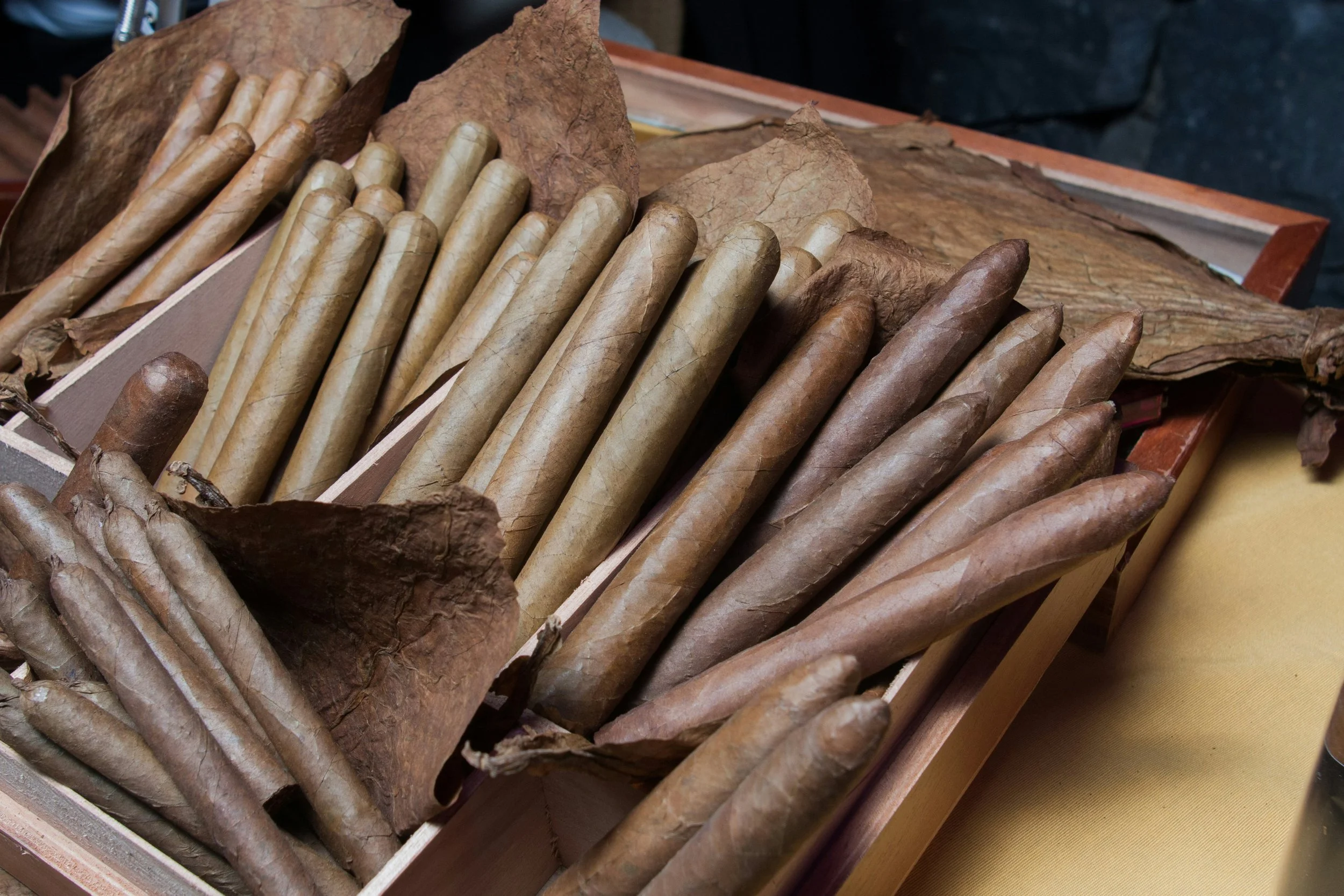
A cigar usually starts with the eyes.
Before the cut, before the cold draw, before the first smell of toasted foot, you have already judged it a little. Wrapper colour, sheen, shape, veins, cracks, spots, cap, foot, band, even the way it sits in the box. Sometimes that first visual impression is useful. Sometimes it lies to you.
That is the interesting part.
Because the eye can catch problems early, but it can also make us panic over things that do not matter. A green patch can look terrifying to a beginner but may just be leftover chlorophyll from curing. A toothy wrapper can look rough but actually be full of oils. A pale water spot can look like damage but have almost no effect on flavour. Then, on the other side, a tiny perfect pinhole can look harmless but may be the sign of tobacco beetles. A fuzzy patch at the foot can be much more serious than a cosmetic stain. A cracked wrapper near the head can turn into a ruined smoke before the second third.
So visual inspection is not about being fussy. It is about knowing which flaws are cosmetic and which ones are warnings.
A cigar is an agricultural product dressed up like a luxury item. That means it will never be perfectly uniform. Leaf has veins, scars, sun marks, colour variation, freckles, tooth, small stains, and natural irregularities. If you expect every cigar to look like a polished plastic object, you will reject good cigars for the wrong reasons. But if you ignore everything because “it’s handmade,” you will eventually smoke mould, beetle damage, or a cigar that should have been left in the shop.
The trick is learning to look calmly.
Wrapper Colour, Spots, Veins, and the Harmless Things People Overreact To
The first thing most people notice is wrapper colour, and it creates more assumptions than almost anything else. Dark cigar? Must be strong. Light cigar? Must be mild. Oily cigar? Must be better. Pale cigar? Must be boring. None of those are rules.
Wrapper colour tells you something, but not everything. A darker wrapper may suggest longer fermentation, maduro processing, or richer surface oils, but it does not automatically mean the cigar is stronger in nicotine. A lighter wrapper may look gentle, but the filler can still carry serious body. The colour is part of the story, not the whole book.
What I actually look for is not whether the wrapper is light or dark, but whether it looks alive and even. A good wrapper has a certain calmness to it. It can be matte or oily, smooth or slightly toothy, but it should look like leaf that still has elasticity. If it looks dry, dusty, brittle, and tired, I already start asking questions.
Spots are where people panic too quickly.
Green stains are one of the best examples. A green patch on a cigar wrapper often looks like mould to someone new, but in many cases it is simply chlorophyll that did not fully break down during curing. This can happen when the leaf dries too quickly or under less-than-perfect curing conditions. Several cigar guides describe these green marks as cosmetic, generally harmless, and not normally affecting flavour.
That does not mean green patches are beautiful. It just means they are not automatically dangerous. They are part of the leaf’s history. If the mark is flat, part of the wrapper colour, and not fuzzy or raised, I do not worry much.
Pale yellow, tan, or white freckles can also be harmless. Some are water spots or sun spots from the growing stage, where water droplets or field conditions marked the leaf. Again, if they are flat and smooth, they are usually cosmetic. Several cigar education sources say these natural wrapper spots do not normally affect taste or performance.
Then there is tooth.
Tooth is one of those things that looks like a defect if you do not know what it is. Tiny raised bumps on the wrapper, especially on some maduro or Cameroon-type wrappers, can be pockets of oil and minerals in the leaf. Some smokers love it because it can signal texture and richness. It is not automatically quality, but it is not a problem either. The eye sees roughness; experience sees character.
Veins are similar. A perfectly smooth wrapper looks elegant, but veins are natural. What matters is degree. Fine veins are nothing. Even some raised veins are normal, especially on certain wrappers. But if a vein is huge, woody, and runs through the cigar like a branch, it can affect burn or draw if it sits badly in the bunch. The visual clue is not “vein equals bad.” The clue is whether the vein looks like normal leaf structure or like a stem that should have been removed.
Water marks, freckles, uneven shades, darker patches, little colour differences between cigars in the same box — these are not always disasters. In fact, some of the best cigars I have smoked looked a little rustic. The problem is modern luxury packaging has trained us to expect visual perfection, when tobacco is still tobacco. If the cigar feels right, smells clean, and shows no active damage, a cosmetic wrapper mark does not scare me.
The eye needs education, not paranoia.
The Red Flags: Cracks, Holes, Mould, Beetles, and Visual Trouble You Should Not Ignore
Some visual signs are not harmless, and this is where being calm does not mean being careless.
The first serious one is cracking. A small wrapper split near the foot is not always fatal, especially if it is shallow and does not run far. But cracks near the head, shoulder, or cap are more worrying because they can unravel as you smoke. Wrapper cracks are often linked to dryness, handling, or sudden humidity changes. If the cigar looks brittle and the wrapper already has small fractures before lighting, heat will usually make things worse. Cigar storage advice often points to wrapper cracking as a sign of dryness or imbalance, and once the wrapper has physically split, it does not truly heal.
A damaged cap is another warning. If the cap is lifting, badly applied, or already cracked, the cigar may unravel after cutting. Sometimes you can save it with a careful punch or shallow cut, but if the head already looks messy, I adjust expectations before lighting.
Then there are holes.
Not every tiny mark is beetle damage, but perfectly round pinholes are one of the clearest visual warnings in cigars. Tobacco beetles chew clean little exit holes through wrappers, often around 1–2mm across. If you see that, especially with loose dust or damaged cigars in the same box, take it seriously. Beetle guides consistently describe small, round pinholes as the classic sign of infestation.
This is not a “smoke it and see” situation if the cigar came from your own humidor. You need to inspect the rest of the box, isolate suspect cigars, and think about freezing protocol if necessary. One beetle-damaged cigar is not just one bad cigar; it can be a collection problem.
Mould is the other big visual trap.
The old plume-versus-mould debate has been going for years, and people still argue about it. Traditional cigar language says plume or bloom is a fine white powder from oils crystallising on an aged cigar, which brushes off cleanly and leaves no stain. Cigar Aficionado’s glossary still describes plume this way and distinguishes it from mould, which has colour and stains the wrapper.
But plenty of modern smokers are far more sceptical, and honestly, I understand why. Too many mouldy cigars have been defended as “plume” by people trying to avoid admitting there is a problem. The practical rule is simple: if it is fuzzy, raised, patchy, coloured, musty smelling, concentrated around seams, under the band, or especially on the foot, treat it as mould. Recent guides make exactly that distinction: mould tends to grow in patches, can leave staining or soft damage when wiped, and is most concerning when it appears at the foot because it may have penetrated deeper into the cigar.
If something white brushes off like dry dust and leaves clean wrapper underneath, some people will call it plume and smoke it. If it looks alive, fuzzy, coloured, or leaves damage, I am not interested in philosophical debate. I am not smoking it.
There are other visual clues too. A foot that looks swollen, frayed, or cracked may suggest humidity issues or rough handling. A cigar with a wrapper peeling in several places may have adhesive problems or leaf that was too dry. Dark tar-like spots near the head before smoking can indicate damage or contamination. A cigar that looks box-pressed unevenly or has a strange bulge may have been badly packed or stored under pressure.
And then there is the band. People do not like talking about this, but visual inspection matters for authenticity too, especially with Cuban cigars or high-value limited releases. A bad band alone does not prove a cigar is fake, because bands can vary, but poor printing, wrong embossing, sloppy placement, cheap-looking paper, inconsistent box details, and suspiciously perfect rare stock all deserve attention. With expensive cigars, the eye is part of self-defence.
The point is not to become suspicious of every cigar. The point is to know what kind of visual trouble actually matters.
Learning to See Like a Smoker, Not Like a Collector
Collectors often look for perfection. Smokers should look for promise.
That is the difference.
A collector may reject a cigar because the wrapper colour is slightly uneven. A smoker asks whether it will burn well and taste good. A collector may obsess over a tiny pale spot. A smoker learns whether that spot is cosmetic or a sign of deeper trouble. The best eye is not the harshest eye. It is the most useful one.
When I inspect a cigar visually, I am really asking a few quiet questions.
Does it look alive or tired?
Does the wrapper look elastic or brittle?
Are the marks flat and natural, or raised and suspicious?
Are there cracks where they matter?
Is the foot clean?
Are there holes?
Does anything look like growth rather than colour?
Does the cigar look handmade in a good way, or neglected in a bad way?
That is usually enough.
Because cigars are not supposed to be flawless objects. They are leaves. Some of the most beautiful cigars are not visually perfect, and some of the most perfect-looking cigars smoke like wet cardboard. The eye can warn you, but it cannot replace the rest of the senses.
Still, the eye matters. It catches the beetle hole before you put the cigar in your humidor. It catches the mould before you convince yourself it is age. It catches the cracked wrapper before you cut too deep. It catches the difference between a harmless green chlorophyll stain and something actually growing on the leaf.
The real skill is not seeing more problems. It is seeing more accurately.
And once you learn that, visual inspection becomes less anxious and more enjoyable. You start reading cigars like little agricultural documents. The colour tells you something about processing. The veins tell you something about the leaf. The sheen tells you something about oils and storage. The foot tells you something about bunching. The cap tells you something about care. Even the imperfections become part of the story.
That is why I never think of “misfortunes to the eye” as simply ugly cigars. Some ugly cigars are wonderful. Some beautiful cigars are trouble. The real misfortune is not the mark itself. It is not knowing what you are looking at.
A cigar begins with the eyes, but the eyes need experience behind them. Without that, you either fear everything or forgive everything. Neither makes you a better smoker.
The sweet spot is somewhere in the middle: calm enough not to panic over harmless leaf marks, sharp enough not to ignore the signs that really matter.