The Close: Knowing When a Cigar Has Said Enough
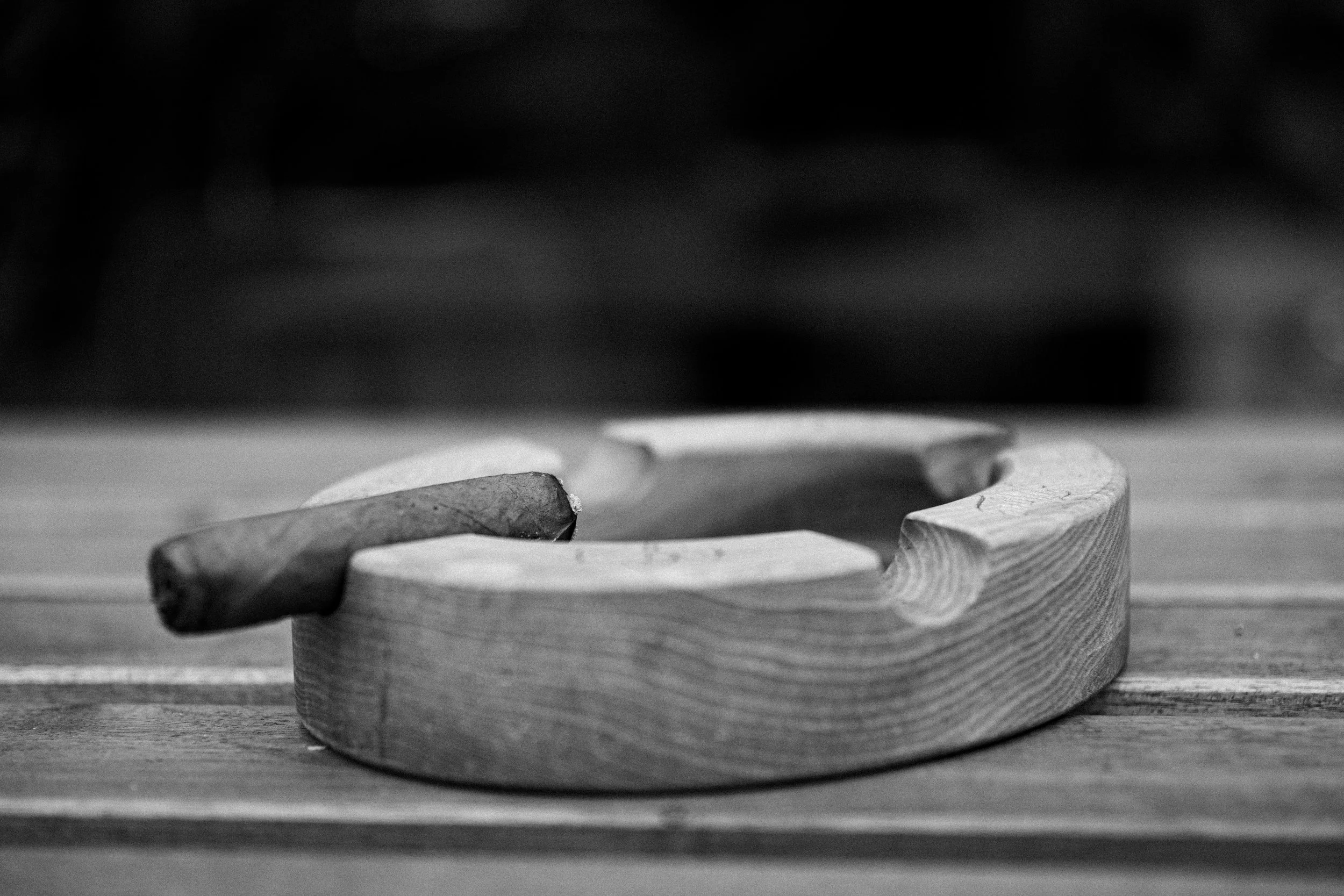
The end of a cigar is where many smokers lose their judgement.
Not because the final part is unimportant. It is very important. The last third can be beautiful when a cigar is built well and smoked with patience. It can bring deeper sweetness, darker woods, leather, espresso, earth, spice and that heavy, lingering finish that makes you sit back for a moment before saying anything. Some cigars save their most serious voice for the end.
But the close is also where the cigar becomes least forgiving.
By this point, the smoke path is shorter, the ember is closer to your mouth, the cigar has absorbed heat for a long time, and the oils, moisture, tar and nicotine have all become more concentrated. Even a perfectly made cigar will eventually reach a point where balance starts to fade. Heat rises. Bitterness appears. The draw may soften or tighten. The head may become damp. The smoke can feel heavier, sharper, less elegant. That does not always mean the cigar failed. Sometimes it simply means the cigar has finished saying what it came to say.
This is the part some smokers struggle to accept. There is a strange pride around smoking cigars down to the nub, as if finishing every last centimetre proves something. I have never believed that. A cigar is not a test of endurance. It is a pleasure. The right ending is not always the shortest possible nub. The right ending is the moment before enjoyment turns into work.
Why the Final Third Changes So Much
The final third is not just “more cigar.” It is a different smoking environment.
At the start, smoke travels through the full length of the cigar before it reaches your mouth. That unburned tobacco acts almost like a filter and cooling chamber. The smoke has distance to soften, slow down and carry aroma. By the final third, that distance is much shorter. The ember is close. The smoke arrives warmer and more concentrated. Every small mistake in smoking pace becomes more obvious.
This is why the same rhythm that worked in the first half can become too aggressive near the end. If you keep puffing at the same speed, the cigar will usually heat up faster. Once that happens, flavour starts to collapse. Sweetness becomes bitter. Pepper becomes sharp. Wood becomes char. Coffee becomes burnt coffee. The cigar may feel stronger, but not necessarily better.
A lot of late bitterness is not the blend suddenly turning bad. It is heat and build-up. Smokers often talk about the final third becoming bitter because tar and moisture concentrate near the head, especially when the cigar has been smoked too quickly or too erratically. That matches what most experienced smokers learn the hard way: if the cigar feels hot in the fingers or the smoke feels sharp on the tongue, the answer is rarely to puff harder. The answer is to slow down.
Moisture also becomes part of the problem. As you smoke, the head of the cigar naturally gets warmer and wetter. Your mouth contributes moisture too, especially if you keep the cigar clenched between your teeth or leave it on your lips too long. A damp head can sour the flavour and make the draw feel dirty. This is why some cigars taste clean almost to the band, while others become muddy and unpleasant long before that. The difference is not only tobacco. It is also how the cigar has been handled during the whole smoke.
Nicotine can also become more noticeable in the close. Stronger leaves, especially heavier upper primings, may feel more concentrated as the cigar shortens. If you smoked quickly, drank alcohol, or smoked on an empty stomach, the final third can suddenly feel much stronger than expected. This is one reason I never judge strength only from the opening. Some cigars are polite early and then remind you later that the blend had teeth all along.
The burn line is another clue. If the cigar is still burning evenly and the smoke remains cool enough, the final third has a chance to be excellent. If the burn starts tunnelling, the wrapper splits, the smoke turns hot, or you find yourself relighting and touching up every few minutes, the close is already becoming a repair job. At that point, you have to ask whether you are still smoking the cigar or simply refusing to let it end.
How to Handle the Close Without Ruining It
The final third rewards patience more than any other part of the cigar.
This is where I slow down deliberately. Smaller draws, longer pauses, less chasing smoke. If the cigar has been good, I want to protect what is left of it, not force it into bitterness. The temptation is to keep drawing because the flavours are deeper and more intense, but that is exactly how you overheat the cigar. The better approach is to treat the close like a strong drink. You sip it. You do not attack it.
A gentle purge can help if bitterness starts creeping in. Blowing slowly through the cigar can push out some stale smoke and built-up gases, especially after a relight or when the cigar begins to feel heavy. I do not treat purging like magic, because it is not. It will not save bad tobacco or a cigar that has completely overheated. But used carefully, it can clean the smoke just enough to bring back balance for a while.
Relighting in the final third needs care too. A relight early in the cigar is usually easy. A relight near the end can be much harsher because everything is already concentrated. If the cigar goes out late, I usually let it cool for a moment, clear the ash gently, purge lightly if needed, and relight with as little flame as possible. Blasting the nub with a torch is one of the fastest ways to turn the final section into pure bitterness.
The band area is often where the decision becomes obvious. Some cigars smoke beautifully past the band. Others clearly decline around that point. The cigar may become soft, hot, damp or bitter. The smoke may lose definition. The finish may stop being pleasant. When that happens, I do not see it as failure. I see it as the cigar reaching its natural ending.
There is also nothing wrong with stopping before the final third if the cigar has lost balance earlier. We sometimes talk as if every cigar deserves to be smoked fully, but that depends on the cigar. A great cigar earns your time. A bad cigar does not. A cigar that turns harsh, bitter and tiring has no moral claim over the next twenty minutes of your life.
This is where the idea of “nubbing” needs to be put in its place. Smoking a cigar to the nub can be wonderful when the cigar deserves it. Some blends stay sweet and structured almost to the fingertips. Those are special smokes. But forcing every cigar down to the last inch is not sophistication. It is stubbornness. If the last section tastes like hot ash and regret, you are not respecting the cigar. You are punishing yourself.
The close should be judged by pleasure, not distance.
A cigar that ends cleanly at the band may give a better experience than one forced to the final centimetre. A good finish leaves the palate with warmth, sweetness, spice, wood, leather, cocoa or whatever the cigar’s final signature may be. A forced finish leaves bitterness and fatigue. The memory matters. The final taste often shapes how you remember the whole cigar.
The Art of Letting the Cigar End
Knowing when to stop is part of becoming a better smoker.
In the beginning, many people focus on getting value from the cigar. They want to smoke every possible inch because they paid for it. I understand that, especially with today’s prices. But the value of a cigar is not measured in how close you get to burning your fingers. It is measured in how much enjoyment it gives before the experience turns.
Some cigars end gradually. They become warmer, darker and heavier, but still enjoyable. You can ride them slowly until they naturally fade. Others hit a clear wall. One moment they are balanced; ten minutes later they are bitter, tarry and tiring. Once you recognise that wall, there is no shame in stopping.
The best close feels like completion. The cigar has introduced itself, found its balance, built intensity and then finished with character. It does not need to be dramatic. It just needs to feel resolved. A final third that deepens the profile without losing elegance is one of the great pleasures in cigars. It tells you the blend had structure all the way through, not just a pretty opening.
But even then, the smoker has a responsibility. The final third is not automatic. It depends on pace, humidity, lighting, draw, construction, and restraint. Smoke too fast and you destroy it. Keep the head too wet and you sour it. Relight aggressively and you scorch it. Chase the nub for ego and you miss the moment when the cigar was actually at its best.
This is why I think the close is one of the most revealing parts of cigar smoking. It shows not only the quality of the cigar, but the discipline of the person smoking it. Anyone can enjoy the easy part. The final third asks for patience, judgement and honesty.
And honesty is the key word.
Be honest when the cigar is still giving pleasure.
Be honest when it has turned.
Be honest when you are smoking because you are enjoying it, and when you are smoking only because you refuse to stop.
A cigar is one of the few luxuries designed to disappear. That is part of its beauty. It does not need to be preserved, conquered or stretched beyond pleasure. It needs to be experienced properly and then allowed to end.
The close is not the last possible puff.
The close is the moment the cigar has given enough, and you are wise enough to recognise it.