For a country with such an extraordinary tobacco history, Mexico has spent a surprisingly long time standing in the shadows of its neighbours. Mention premium cigar tobacco and most enthusiasts immediately think of Cuba, Nicaragua, the Dominican Republic or Honduras. Those countries have built powerful identities around their agricultural traditions, famous factories and distinctive flavour profiles. Mexico, meanwhile, is often reduced to two words: San Andrés. More specifically, the dark, earthy, sweet and sometimes wonderfully aggressive wrappers that have become essential ingredients in countless modern premium cigars. Ask a smoker what they know about Mexican tobacco and there is a good chance they will describe a maduro wrapper, perhaps mention chocolate or coffee, and then move on to something else. That is a shame because Mexican tobacco deserves considerably more attention than it usually receives. Its history reaches back long before the modern premium cigar industry existed, its agricultural identity is more complicated than the familiar San Andrés label suggests, and its influence extends far beyond cigars manufactured within Mexico. Some of the most recognisable non-Cuban cigars in the world depend upon Mexican tobacco to create their character, yet the country rarely receives the same recognition as the manufacturers using its leaves.
I find that particularly interesting because Mexico represents one of the clearest examples of how the modern cigar industry has changed. There was a time when consumers judged a cigar primarily by the country where it was manufactured. A Cuban cigar was Cuban, a Dominican cigar was Dominican, and a Nicaraguan cigar was Nicaraguan. Today those descriptions often tell us only part of the story. A cigar rolled in Nicaragua might contain tobacco from several countries, and the leaf contributing most visibly to its character may have been grown thousands of kilometres away. Mexican tobacco has benefited enormously from this transformation, especially as manufacturers have become more willing to experiment with wrappers that provide distinctive flavours rather than simply attractive appearances. But reducing Mexico to a supplier of fashionable dark wrappers would overlook something important. The country has its own cigar-making traditions, its own tobacco-growing communities and a history that predates many of the industries currently dominating the premium market. Mexico isn't a newcomer that suddenly discovered how to grow interesting tobacco. It is an old tobacco country whose contribution to modern cigars has finally become difficult to ignore. To understand why, we need to begin much earlier than the current enthusiasm for Mexican San Andrés.
Tobacco belongs to the Americas. Long before European colonisation, Indigenous peoples across the continent cultivated, traded and used different forms of tobacco for ceremonial, medicinal and social purposes. The plant carried cultural and spiritual significance that extended far beyond recreational smoking. Mexico was part of this much older tobacco world, and tobacco appears in the historical record of several Mesoamerican cultures. Its uses varied across communities and periods, but the important point is that tobacco was already deeply embedded in regional life before European commercial agriculture began transforming it into an international commodity. The arrival of the Spanish changed the economic role of tobacco dramatically. Colonial authorities gradually recognised its commercial potential, and tobacco cultivation, processing and trade became increasingly important. By the eighteenth century, tobacco had become sufficiently valuable for the Spanish Crown to establish powerful controls over its production and sale in New Spain. The royal tobacco monopoly, established during the 1760s, became an important source of colonial revenue. Cultivation was regulated, manufacturing became more centralised, and the state attempted to control a product that was already widely consumed. This is worth remembering whenever we discuss the historical domination of Cuban cigars. Cuba was unquestionably central to the development of the international premium cigar trade, but it was never the only place in the Americas with a sophisticated relationship with tobacco. Mexico possessed an established tobacco economy and a long history of consumption and manufacturing. The difference was that Cuba eventually became internationally synonymous with the finest handmade cigars, while Mexico's tobacco industry developed along a different path, serving domestic demand and supplying various tobacco products rather than building the same worldwide luxury reputation.
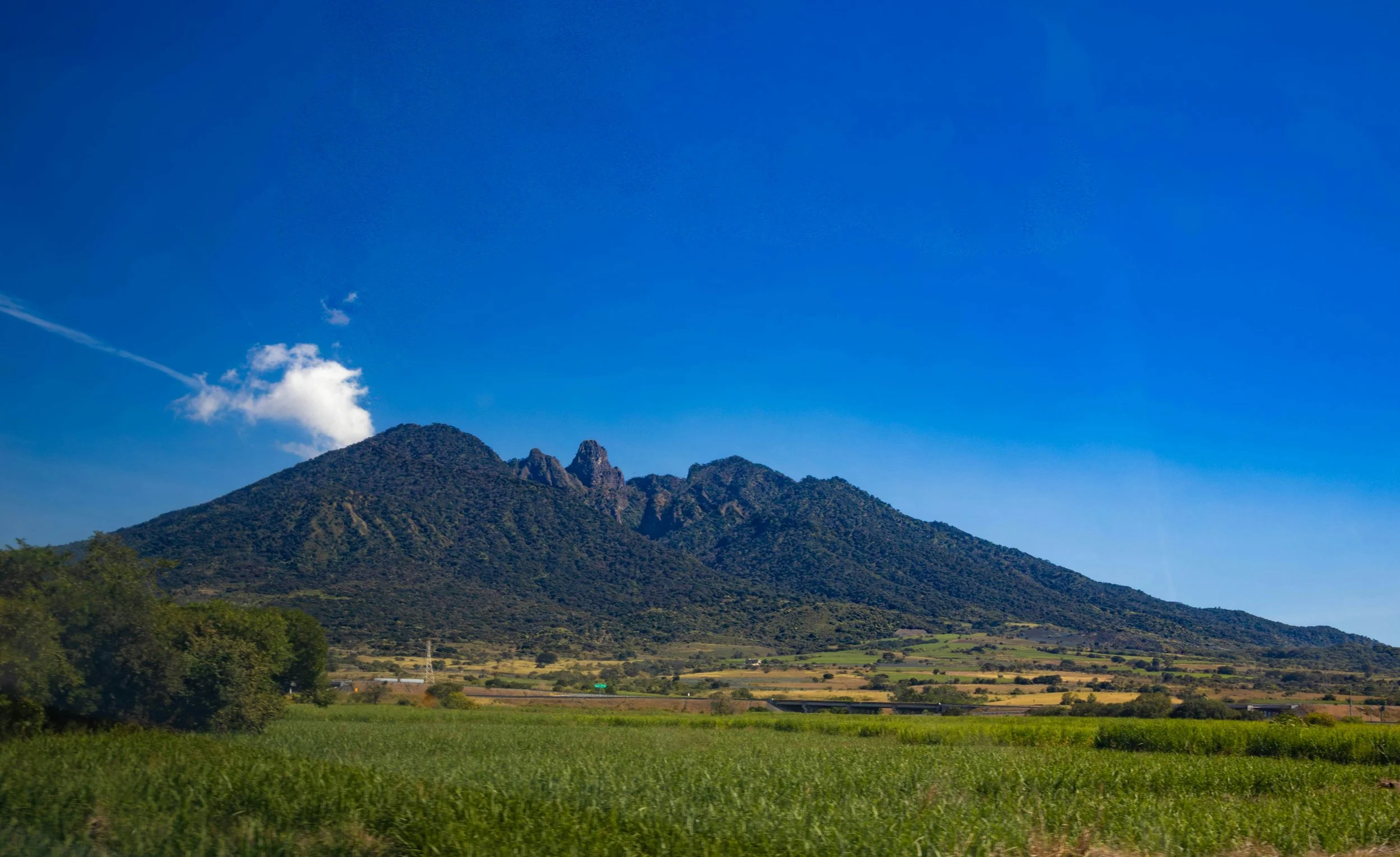
Geography also played an important role. Mexico is an enormous country with dramatically different climates, elevations and agricultural conditions. Tobacco has been cultivated in several regions, including Veracruz, Nayarit, Chiapas and other areas at different points in its history. Not all Mexican tobacco belongs to the same agricultural tradition, and not all of it is intended for premium handmade cigars. The country's wider tobacco economy includes leaf grown for different products and markets. For premium cigar enthusiasts, however, one region has become particularly important. The San Andrés Valley. Located in the state of Veracruz, the San Andrés Tuxtla area lies within a landscape shaped by volcanic activity, tropical vegetation, substantial rainfall and fertile agricultural land. The broader Los Tuxtlas region is one of Mexico's most distinctive environments, with volcanic mountains, humid lowlands and a long agricultural history. Tobacco cultivation here has developed around conditions that can produce large, substantial leaves with characteristics especially valuable to cigar manufacturers.The region's volcanic soils are frequently mentioned whenever San Andrés tobacco is discussed, and understandably so. Volcanic landscapes can contribute mineral-rich parent materials and distinctive soil structures, while local rainfall, drainage, organic matter and temperature influence how tobacco grows. But I think the cigar industry sometimes becomes too enthusiastic about the word volcanic. It has become almost a marketing shortcut for richness, strength and complexity, as though tobacco growing near an old volcano automatically acquires extraordinary flavour.
Agriculture doesn't work quite that simply. Soil is important, but the character of a tobacco leaf emerges from the interaction of genetics, climate, water, nutrients, cultivation and subsequent processing. Two farms within the same region can produce noticeably different tobacco, and the same farm may produce different results from one harvest to another. Volcanic origin alone doesn't guarantee exceptional leaf. What makes San Andrés interesting is the combination of its growing environment and the agricultural knowledge developed there over generations. That combination has produced tobacco with an identity that modern blenders increasingly recognise as valuable. And perhaps no part of that identity has become more famous than the wrapper.
San Andrés: More Than Just Another Maduro Wrapper
The modern popularity of Mexican tobacco is closely connected to the rise of San Andrés maduro wrappers, but there is a common misunderstanding worth addressing immediately. San Andrés is a geographical designation, while maduro describes a dark wrapper presentation associated with tobacco selection and processing. The two terms are not interchangeable. Mexican San Andrés tobacco can be used in different ways, and not every leaf grown in the region is destined to become a dark wrapper. Nevertheless, the combination has become so familiar that many smokers now treat Mexican San Andrés almost as a flavour category of its own. There are good reasons for that. Well-grown and properly processed San Andrés wrapper can deliver an unusually satisfying combination of earthiness, roasted flavours, sweetness and depth. Depending on the particular tobacco and blend, smokers may encounter impressions of cocoa, dark coffee, molasses, black pepper, leather, wood or dried fruit. The wrapper can contribute richness without necessarily making the entire cigar overwhelmingly strong, which is one of the reasons it has become so useful to manufacturers. This distinction between richness and strength is important. Dark wrappers are still routinely assumed to produce stronger cigars, even though wrapper colour alone tells us very little about nicotine content or overall strength. A dark San Andrés wrapper can be incorporated into a relatively approachable blend, while a lighter-looking cigar may contain considerably stronger filler tobacco. What the wrapper can contribute is a particular aromatic character, combustion behaviour and mouthfeel, all of which interact with the rest of the blend.
A wrapper is not merely packaging. It is part of the cigar. Its influence depends on factors including the tobacco itself, the cigar's dimensions and the proportions of the blend. In a smaller ring gauge, the wrapper generally represents a greater proportion of the tobacco involved in combustion than it does in a very large cigar. That doesn't mean the wrapper always dominates the flavour, but it helps explain why the same wrapper can behave differently across different sizes and blends. San Andrés has become particularly attractive because its character can complement powerful Nicaraguan filler. The earthy sweetness of the wrapper can soften the impression of sharp pepper, add depth to roasted notes and create a fuller sensory experience without requiring the blender to rely entirely on stronger filler leaves. That relationship has helped establish some of the most recognisable cigars in the modern market. More direct examples of modern Mexican San Andrés wrapper include cigars such as the My Father La Opulencia, Drew Estate's Undercrown Maduro and the original Oliva Serie V Melanio Maduro. These cigars demonstrate how Mexican wrapper can contribute to very different blending philosophies rather than imposing one fixed flavour profile. The Undercrown Maduro, for example, uses a Mexican San Andrés wrapper over a Connecticut stalk-cut and cured Habano binder and a blend of Nicaraguan and Brazilian filler. The result is a cigar whose identity depends upon several different tobacco traditions working together. Mexican tobacco supplies an important part of the outer character, but the finished cigar is not simply a showcase for one leaf.
The My Father La Opulencia takes a different approach, pairing its Mexican San Andrés wrapper with Nicaraguan tobacco. Its reputation for richness, pepper and complexity illustrates how effectively Mexican wrapper can interact with the more assertive characteristics of Nicaraguan filler. What interests me about these examples is that Mexican tobacco isn't being used as an inexpensive substitute for something more prestigious. It is being selected because it contributes something the blender wants. That represents an important shift. Historically, the premium cigar industry often divided tobacco into a hierarchy of desirable and less desirable origins. Cuban tobacco occupied the summit, while other countries were judged according to how successfully they reproduced particular Cuban characteristics. As the non-Cuban industry matured, that hierarchy gradually became less useful. Manufacturers began recognising that certain tobaccos were valuable precisely because they did not taste Cuban. Mexican San Andrés is a perfect example. Its character is not an imitation of Vuelta Abajo. Nor is it simply a darker version of Connecticut Broadleaf. It has its own agricultural identity, and that identity has become commercially valuable. Comparisons with Connecticut Broadleaf are particularly revealing because the two wrappers are frequently discussed together. Both can produce dark, richly flavoured cigars, and both are associated with sweetness, cocoa and earthy characteristics. Yet experienced smokers often recognise differences between them.
Connecticut Broadleaf can deliver a dense, sometimes chewy sweetness, with impressions of molasses, dark chocolate, earth and roasted coffee. Mexican San Andrés may offer a different balance, sometimes presenting a drier earthy character, mineral-like impressions, pepper and a distinctive roasted sweetness. These are broad tendencies rather than fixed rules, and processing can alter the result dramatically.The important point is that the two tobaccos are not interchangeable. A blender choosing San Andrés rather than Broadleaf may be looking for a particular combination of aroma, texture and combustion characteristics. They may want sweetness without the same density, or an earthy component that works differently with the filler. Sometimes availability and cost influence the decision, but the best blends use wrapper tobacco deliberately rather than simply selecting whichever dark leaf happens to be available. That brings us to the question of fermentation. Mexican San Andrés tobacco often undergoes substantial processing to develop the characteristics associated with premium maduro wrappers. Fermentation is one of the most important stages in tobacco preparation because it helps transform the raw leaf into material suitable for cigar production. Under carefully managed conditions, heat, moisture and biochemical activity contribute to changes in the tobacco's chemistry, reducing certain undesirable characteristics and developing the sensory qualities valued by blenders.
Dark wrapper production can involve extended or carefully controlled fermentation, but there is no single universal process that produces every maduro wrapper. Different manufacturers use different techniques, tobacco varieties and fermentation schedules. The idea that all maduro tobacco is simply cooked until it turns black is a serious misunderstanding of traditional premium cigar production. Equally, a very dark appearance does not automatically prove that the tobacco has been fermented exceptionally well. Colour can be influenced by leaf characteristics, curing, fermentation and additional processing. What matters is the quality of the finished tobacco and how it performs in a cigar. San Andrés leaf can be particularly interesting because the characteristics developed during cultivation provide material that responds well to the processing required for rich, dark wrappers. Its substantial leaf structure can be advantageous, although wrapper selection still demands careful attention to appearance, elasticity, texture and physical integrity. Growing wrapper tobacco is not simply about producing flavour. The leaf must survive harvesting, curing, fermentation, sorting, transport and rolling while maintaining an attractive surface. It needs sufficient elasticity to wrap around a cigar without tearing. Its veins, thickness and colour must meet the manufacturer's requirements. It must burn properly and contribute positively to the finished blend.
A tobacco can taste extraordinary and still be unsuitable as a wrapper.nThis is why wrapper-quality leaf commands particular attention and why agricultural consistency matters so much. A field may produce excellent tobacco overall while yielding only a proportion of leaves suitable for premium wrappers. Other leaves can become binders or fillers, depending on their characteristics and the manufacturer's requirements. Mexican tobacco therefore contributes more than the visible outer layer. San Andrés tobacco is also used as binder and filler, including in Mexican-made cigars and blends produced elsewhere. Its role changes depending on the particular leaf and how it has been cultivated and processed. A binder requires structural strength and suitable combustion characteristics, while filler tobacco is selected for its contribution to flavour, aroma, strength and burning behaviour. The same growing region can provide tobacco for several purposes. That versatility is one of the reasons Mexico deserves to be considered a serious tobacco origin rather than merely a fashionable wrapper supplier. There is another interesting feature of San Andrés that deserves attention: its ability to create a recognisable impression without completely overwhelming a blend. Some wrappers have such assertive characteristics that they can dominate a cigar, particularly in smaller ring gauges. Others are more restrained and allow the filler to provide most of the personality.
Mexican San Andrés can occupy different positions along that spectrum. In one blend it becomes the defining element, producing the dark sweetness and earthiness that consumers immediately associate with the cigar. In another, it provides a supporting layer, adding depth while allowing Nicaraguan or Dominican filler to remain prominent. This flexibility explains why the wrapper has appeared across so many manufacturers and price categories. It isn't limited to expensive anniversary releases or boutique experiments. San Andrés can be used in regular-production cigars intended for everyday smoking as well as more elaborate premium blends. And that may be its greatest commercial strength. A tobacco that only works in one particular style will always have a limited audience. A tobacco that can support several blending approaches becomes indispensable.
Beyond the Wrapper: Mexico's Place in the Modern Cigar World
The international success of San Andrés wrapper has occasionally obscured the fact that Mexico also possesses its own cigar-manufacturing industry. For many enthusiasts outside the country, Mexican tobacco is something encountered on cigars made in Nicaragua or the Dominican Republic. The wrapper is Mexican, but the band belongs to a foreign manufacturer, and the country of origin printed on the box reflects where the cigar was rolled. This creates an interesting imbalance. Mexico contributes an important ingredient, but another country often receives most of the recognition. It is not a situation unique to tobacco. Agricultural products frequently become internationally famous through manufacturers located elsewhere. Ecuadorian wrapper is used extensively by cigar factories outside Ecuador. Cameroon tobacco has achieved an extraordinary reputation through cigars manufactured in other countries. Brazilian leaf has become an important blending component without Brazil necessarily receiving equivalent attention as a finished premium cigar origin. But Mexico's situation is particularly interesting because it already has the history, agricultural knowledge and manufacturing tradition necessary to support a stronger identity of its own. One of the most important names in this story is the: Turrent family.
Their involvement in Mexican tobacco stretches back generations, and the family's agricultural and manufacturing activities have helped establish San Andrés as a recognised premium cigar origin. The A. Turrent and Te-Amo names are particularly associated with Mexican cigar production, while the family's tobacco-growing operations have supplied leaf to manufacturers beyond Mexico. The significance of this extends beyond any individual brand. Long-established agricultural families preserve knowledge that cannot easily be recreated. Understanding how particular seed varieties behave in local soils, when to harvest, how to manage curing and how to ferment tobacco consistently requires years of observation. Each harvest provides information, and that knowledge accumulates across generations. In premium cigar production, such experience can be more valuable than the latest equipment.Technology can improve consistency and efficiency, but tobacco remains an agricultural product whose behaviour changes with weather, soil conditions and growing practices. A farmer who understands a particular region intimately can recognise problems and opportunities that may not be obvious from laboratory measurements alone. This is especially important in tropical growing environments where rainfall, humidity and temperature can vary considerably. Tobacco requires careful management throughout cultivation. Excessive moisture can encourage disease and interfere with root development. Insufficient water can restrict growth or alter leaf characteristics. Nutrient balance influences plant development, while harvesting decisions affect the quality of the tobacco entering the curing barn.
The process continues long after the leaf leaves the field. Curing must reduce moisture gradually while allowing important changes to occur within the tobacco. Fermentation requires careful management of temperature and moisture. Sorting separates leaves according to quality and intended use. Ageing provides additional time for the tobacco to settle before blending. Every stage creates opportunities to improve or damage the final product. That is why I have always believed the phrase "good tobacco" is more complicated than it sounds. A promising leaf can be ruined through poor processing, while skilled agricultural and fermentation work can reveal qualities that were not obvious when the tobacco was first harvested. Mexico has the knowledge to perform those processes at a high level. What it has not always possessed is the same international marketing presence as the major cigar-manufacturing countries. There are several reasons for that, including historical market development, distribution networks, consumer perceptions and the enormous commercial influence of established manufacturers elsewhere. The United States has long been a crucial premium cigar market, and brands with strong distribution there have enjoyed advantages that smaller or less internationally visible manufacturers can struggle to reproduce. Nicaragua and the Dominican Republic have also benefited from decades of investment by companies that developed powerful relationships with American and European retailers. Their factories became internationally recognised, and consumers gradually learned to associate particular production centres with quality.
Mexico's international identity has developed differently. Its tobacco is often famous. Its finished cigars are less consistently recognised. That doesn't mean Mexican-made cigars cannot compete. It means they have faced a different commercial challenge. For enthusiasts willing to explore beyond the most familiar names, Mexican cigars can provide an interesting opportunity to experience the country's tobacco traditions more directly. Cigars using substantial proportions of Mexican leaf offer a different perspective from those where San Andrés serves as the wrapper over a predominantly Nicaraguan blend. This distinction matters because wrapper tobacco, however influential, cannot represent the entire character of a country's agriculture. If someone has smoked twenty Nicaraguan cigars with Mexican San Andrés wrappers, they have experienced an important aspect of Mexican tobacco. But they have not necessarily explored what Mexican tobacco can achieve when used more extensively throughout the blend. That is one reason I think the country still has considerable room to develop its reputation among serious enthusiasts. There is also the question of seed varieties and tobacco genetics. San Andrés is sometimes discussed as though it were one uniform tobacco variety, but geographical names and genetic classifications are not always identical. Tobacco cultivated within a region may include locally adapted varieties and seed lines selected over time for particular agricultural and commercial characteristics.
The relationship between seed and environment is central to tobacco quality. A seed variety that performs beautifully in Veracruz may behave differently when grown in Nicaragua or Honduras. Soil, rainfall, sunlight, temperature and cultivation techniques influence the finished leaf. The same genetic material can produce different results under different conditions, which is why simply transporting seed does not reproduce an entire tobacco origin. This is particularly relevant to Mexican tobacco because its distinctive character comes from more than genetics alone. The San Andrés environment contributes to the result, but so do cultivation methods and processing traditions. It is the combination that matters.As the modern cigar industry becomes increasingly interested in agricultural provenance, this could become an important advantage for Mexico. Consumers are learning more about specific farms, growing regions, fermentation techniques and tobacco varieties. Manufacturers increasingly use those details to explain why a particular cigar tastes the way it does. That creates opportunities for tobacco origins that previously received relatively little attention. Rather than simply describing a cigar as having a Mexican maduro wrapper, manufacturers can explain where the tobacco was grown, what makes the leaf distinctive and why it was selected for the blend. For enthusiasts who genuinely want to understand what they are smoking, that information can be far more interesting than another elaborate box or limited-production number.
Of course, provenance can also become marketing theatre. We have already seen how enthusiast interest in terroir can encourage manufacturers to exaggerate the significance of soil types, altitude or volcanic geography. Mexico is particularly vulnerable to this because the volcanic character of the San Andrés region provides such an attractive story. But terroir should explain tobacco, not replace evaluation of it. A cigar doesn't become exceptional simply because its wrapper was grown near a volcano. The leaf still needs to perform. And the finished cigar still needs to taste good. Looking ahead, Mexican tobacco faces opportunities and challenges similar to those confronting other premium tobacco origins. Agricultural production is vulnerable to changing weather patterns, disease pressure, labour availability and rising costs. Tobacco farming requires considerable investment and skilled workers, while premium wrapper production demands particularly careful handling. The global market also creates pressure for consistency. A manufacturer building a successful regular-production cigar around Mexican wrapper needs dependable access to tobacco with the required characteristics. If the supply changes dramatically between harvests, maintaining the blend becomes difficult. This is one reason relationships between manufacturers and tobacco growers are so important. Long-term purchasing arrangements and investment in agriculture can help provide stability for both sides. Growers gain greater confidence in demand, while manufacturers gain access to tobacco that can support consistent production.
But tobacco will never behave like an industrial ingredient manufactured to an identical specification every year. Agricultural variation is unavoidable. The challenge is managing it intelligently. Mexico's established growing traditions provide a foundation for doing exactly that, although maintaining and expanding premium production will require continued investment in farms, processing infrastructure and skilled labour. There is also a broader question about the future of cigar flavour preferences. Over the last two decades, many enthusiasts have developed a strong appetite for rich, dark, full-flavoured cigars. Maduro wrappers have become central to that trend, and Mexican San Andrés has benefited enormously. But consumer preferences are not fixed. The current enthusiasm for powerful blends may eventually give way to renewed interest in lighter, more aromatic cigars. Smaller ring gauges may continue attracting attention. Manufacturers may experiment with more restrained expressions of familiar tobaccos. If that happens, Mexican tobacco will need to demonstrate its versatility beyond the dark-wrapper category that made it internationally famous. I suspect it can. There is no reason to believe San Andrés must always be associated with the heaviest cigars in the humidor. Its characteristics can be balanced through thoughtful blending, and different processing approaches can produce different results. The industry's tendency to place tobacco into convenient flavour categories often hides more diversity than it reveals.
Connecticut doesn't automatically mean mild. Nicaragua doesn't automatically mean powerful. Dominican tobacco doesn't automatically mean delicate. And Mexican tobacco doesn't automatically mean dark chocolate and espresso. Those associations can be useful starting points, but they should never become limits on what a tobacco origin is allowed to achieve. Perhaps that is what I find most interesting about Mexico's position today. It has become essential to the modern premium cigar industry without necessarily becoming the centre of attention. Its tobacco appears on cigars celebrated around the world, yet the discussion often focuses on the factory, blender or brand rather than the agricultural origin providing the wrapper. That imbalance is beginning to change as enthusiasts become more curious about the individual leaves inside their cigars. And I think it should. When someone lights a beautifully constructed Nicaraguan cigar wrapped in Mexican San Andrés, they are experiencing more than the skill of the factory that rolled it. They are also experiencing the work of Mexican farmers, curing specialists, fermentation teams and tobacco merchants whose contributions may have begun years before the finished cigar reached the retailer. The wrapper may represent only one component of the blend, but it carries its own agricultural history.
That history deserves recognition. I also believe Mexico offers an important reminder that the modern cigar world cannot be understood simply by looking at the countries printed on boxes. Premium cigar manufacturing has become deeply international. Tobacco moves between countries, blenders combine different agricultural traditions, and factories create products whose character depends upon several origins working together. A cigar manufactured in Nicaragua can be an extraordinary expression of Mexican wrapper tobacco. A Dominican-made cigar can depend upon Ecuadorian leaf. A Honduran cigar can incorporate Brazilian tobacco. The country of manufacture tells us where the final product was assembled. It doesn't always tell us where its personality began. For Mexico, that distinction is especially important. Its contribution is not limited to the cigars carrying a Mexican origin designation. It extends across an international industry that increasingly relies upon the diversity and quality of its tobacco. And while San Andrés has become the country's most recognisable premium cigar identity, I hope the growing interest in Mexican leaf encourages smokers to look further. Explore Mexican-made cigars. Pay attention to blends using Mexican binder or filler. Compare different San Andrés wrappers rather than assuming they all taste alike. Notice how the same tobacco behaves when paired with different filler combinations.
Most importantly, judge the cigar rather than the reputation surrounding it. There was a time when Mexican tobacco could easily be overlooked by enthusiasts chasing famous Cuban brands or increasingly powerful Nicaraguan releases. Today it is difficult to imagine the modern premium cigar market without it. San Andrés has become one of the most important wrapper origins in the industry, contributing character to cigars across different manufacturers, countries and price categories. That is an extraordinary achievement for a tobacco region that still receives relatively little attention outside enthusiast circles.But I don't think Mexico's story is finished. In some ways, it may only be entering its most interesting period. As consumers become more knowledgeable about tobacco origins, the distinction between where a cigar is manufactured and where its leaves are grown will become increasingly important. Mexico has an opportunity to move beyond being recognised primarily as a supplier of dark wrappers and establish a broader identity built around its agricultural traditions, processing expertise and finished cigars. Whether that happens will depend on growers, manufacturers, investment and consumer curiosity. The tobacco itself has already demonstrated that it belongs among the finest materials available to modern blenders.
Perhaps the rest of the industry simply needs to catch up. Because the next time somebody describes a wonderful Nicaraguan cigar with deep cocoa, earth, roasted coffee and a beautifully balanced sweetness, it might be worth asking which leaf is responsible for bringing those characteristics together. There is a good chance that some of the credit belongs to Mexico. And it probably deserves more of it.