From Ember to Flavour: What Fire Really Does Inside a Cigar
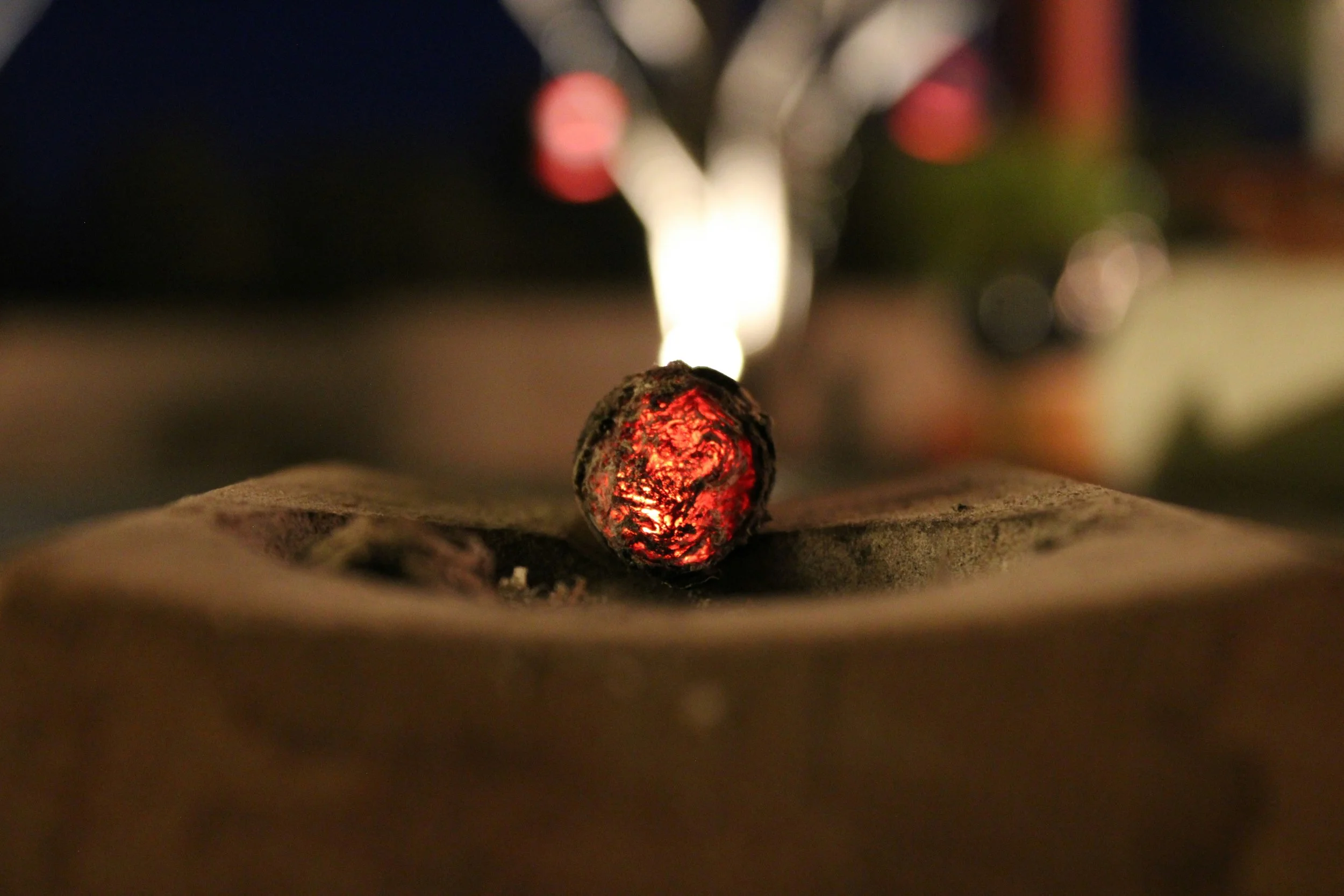
A cigar looks simple once it is lit, but it is not simple at all. That glowing cherry at the foot is a moving engine of heat, oxygen, moisture, airflow and chemistry. Tobacco is not just “burning.” It is drying, heating, breaking down, releasing oils, creating aroma, forming smoke, cooling through the body of the cigar, and changing every time you take a puff.
This is why two people can smoke the same cigar and get completely different experiences. One smokes slowly and gets sweetness, wood, cream, spice and balance. The other puffs too quickly and gets bitterness, heat and a ruined final third. The cigar did not become two different blends. The burn changed.
At the foot, the temperature can reach very high levels. Tobacco combustion studies show burning zones in smoking products can reach hundreds of degrees Celsius, with the hottest zones going above 800°C during active burning. Behind that glowing part, oxygen becomes limited, and the tobacco starts breaking down through pyrolysis rather than simple open burning. That zone is where much of the flavour chemistry begins.
This is the part many smokers never think about. The best flavours in a cigar do not come from turning tobacco into ash as fast as possible. They come from controlled heat. Too little heat and the cigar dies, tunnels or tastes damp. Too much heat and the cigar becomes sharp, bitter and aggressive. The whole pleasure of cigar smoking sits between those two failures.
Heat, Oxygen and the Life of the Cherry
The cherry is not only the burning end of a cigar. It is the engine that decides how the whole cigar behaves.
When the cigar rests between puffs, it smoulders. Oxygen reaches the ember slowly, the burn creeps forward, and the cigar stays alive without being forced. When you take a puff, everything changes. Air rushes through the cigar, oxygen feeds the ember, temperature rises, and the combustion becomes more aggressive. That puff does not just bring smoke to your mouth. It changes the chemistry of the burn.
This is why smoking rhythm matters so much. If you puff too often, the cigar spends too much time in a high-heat state. Sweetness disappears, spice becomes rough, oils break down unevenly, and the smoke starts tasting bitter or ashy. If you puff too slowly, especially with a dense or over-humidified cigar, the core may cool too much and the burn becomes unstable. The art is finding the rhythm where the cigar stays alive without being abused.
Behind the cherry, the cigar works in layers. The front is the hottest area, where combustion is strongest. Just behind it is the heated but oxygen-poor section, where tobacco breaks down and releases volatile compounds. Further back, the smoke cools as it travels through the unburned tobacco. Some compounds condense, some are filtered by the leaf, and some carry through to your mouth as flavour and aroma. Research on cigar and tobacco smoke formation describes this combination of combustion, pyrolysis, distillation and condensation as central to how smoke is created.
That explains why cigar length matters. A longer cigar gives smoke more distance to cool and soften. A shorter cigar brings the ember closer to the mouth sooner, which is why the final third often becomes hotter and more concentrated. It also explains why ring gauge matters. A thin cigar has less mass to buffer heat, so it can taste intense and focused, but it can also overheat quickly if smoked carelessly. A thicker cigar has more tobacco mass, often smokes cooler, but can suffer if the bunching or humidity is uneven.
Airflow is the other half of the story. A cigar is basically a handmade airflow system made from leaf. If the bunch is too tight, the smoker has to pull harder. Pulling harder increases airflow and heat, often making the cigar taste harsh even though the draw feels restricted. If the cigar is too loose, air moves too easily, the burn can race, and the smoke can feel hot and thin. The perfect draw is not wide open. It is controlled resistance.
This is why great construction feels so effortless. The cigar gives enough resistance to concentrate flavour, but not so much that you have to fight it. When the airflow is right, the cherry stays stable, the burn line moves evenly, and the smoke arrives with body instead of heat.
Why Humidity Can Save or Destroy the Burn
Humidity is one of the biggest reasons cigars burn beautifully or badly.
A cigar that is too wet needs extra energy just to burn. Moisture inside the leaf has to heat and evaporate before the tobacco combusts properly. That makes lighting harder, increases relights, and can create uneven burning because the wrapper, binder and filler may not all carry moisture in the same way. Over-humidified cigars are often described as harder to light, more likely to swell, and more likely to suffer burn problems.
This is where tunnelling often appears. The inside may burn differently from the outside. Sometimes the core burns ahead while the wrapper lags. Sometimes the wrapper burns while the centre stays damp and stubborn. Either way, the cigar stops burning as one unit.
A dry cigar has the opposite problem. It burns too easily. The wrapper can crack, the smoke becomes hotter, and the flavours can feel sharp and thin. Some people think dry cigars taste more “defined,” and sometimes a slightly lower humidity can improve draw and burn, but too dry is not refinement. It is damage.
This is why storage is not just about preserving cigars. It is about controlling combustion before the cigar is even lit. A cigar stored at the wrong humidity is already carrying a future burn problem. The smoker may blame the brand, the roller, the lighter or the wind, but the real issue may have started weeks earlier in the humidor.
Wind is another invisible enemy. Outside, even a gentle breeze can feed one side of the cherry more oxygen than the other. That creates canoeing, faster burn, hotter smoke and strange flavour shifts. This is why the same cigar can smoke beautifully indoors and behave like a problem child on a terrace. The cigar has not changed. The oxygen supply has.
Lighting technique matters for the same reason. A proper light creates an even ignition across wrapper, binder and filler. A rushed light creates an uneven heat pattern before the cigar has even started. If one side of the foot is fully lit and the other is only toasted, the cigar begins life unbalanced. You then spend the next half hour correcting a mistake from the first minute.
The best lighting is controlled, not dramatic. Toast the foot. Rotate. Let the heat build evenly. Do not bury the cigar in the flame. Do not scorch the wrapper. A torch is useful, but it is also dangerous in impatient hands. Too much direct heat at the start can give the cigar a bitter, burnt edge that never fully disappears.
The Smoker Is Part of the Combustion
This is the part I find most interesting: once the cigar is lit, the smoker becomes part of the burn system.
Your pace controls heat. Your draw controls airflow. Your storage controls moisture. Your lighting controls the starting point. Your environment controls oxygen. Your patience controls whether the cigar has a chance to show flavour or only heat.
That is why cigar smoking is not passive. You are not just consuming smoke. You are managing a small, slow fire.
When a cigar turns bitter, the first question should not always be “is this a bad blend?” It should be “did I make it burn badly?” Bitterness is often connected to overheating, poor lighting, over-humidification, or smoking too fast. Several cigar guides and smoker discussions point to overheating as one of the most common reasons cigars become harsh or bitter.
The final third proves this more than any other part of the cigar. As the cigar shortens, the ember gets closer, smoke travels a shorter distance, and oils and tars build near the head. The cigar naturally becomes warmer and more intense. If you keep the same puffing rhythm you used at the beginning, you will usually overheat it. This is why so many cigars “turn bad” near the end. Sometimes the blend has run out of balance. But often the smoker simply failed to slow down.
A well-smoked cigar should feel like a controlled progression. The opening is cooler and clearer. The middle is stable and expressive. The end is warmer and more concentrated. If that concentration stays balanced, the close can be beautiful. If heat takes over, it becomes bitter and heavy.
This is where purging can help, but only a little. Blowing gently through the cigar can clear stale smoke and built-up gases, especially after a relight or when the smoke starts feeling dirty. But purging is not a miracle. If the cigar is too wet, too hot, badly constructed or smoked too fast, purging only buys time. It does not fix the cause.
The real fix is discipline.
Slow down. Let the cigar rest. Keep the ember alive, but do not force it. Touch up only when needed. Do not chase smoke volume. Thick smoke is not always better smoke. Sometimes the most flavour comes from the calmest draw.
This is why understanding the burn changes how you smoke. You stop treating problems as random. A tight draw is not just annoying; it changes pressure and heat. A wet cigar is not just soft; it changes combustion. A windy terrace is not just inconvenient; it changes oxygen flow. A rushed puff is not just impatience; it changes flavour chemistry.
The cigar becomes more interesting once you see it this way.
Not more clinical. More alive.
Because the beauty of a cigar is that it is controlled imperfection. It is handmade. It is agricultural. It is burning leaf, not a machine. Every draw is slightly different. Every ember has a mood. Every cigar asks for small adjustments.
That is why the best smokers are not the ones who know the most complicated words. They are the ones who can feel when the cigar is getting hot, when the draw is changing, when the smoke is losing clarity, when it needs rest, when it needs correction, and when it has given enough.
A great cigar is not only blended well. It burns well. And a great smoker helps it burn well.
That, to me, is the real secret behind the flame. The flavour is not only in the tobacco. It is in the way the tobacco is allowed to burn.