Cigar Collecting vs Smoking: Are We Hoarding Too Much?
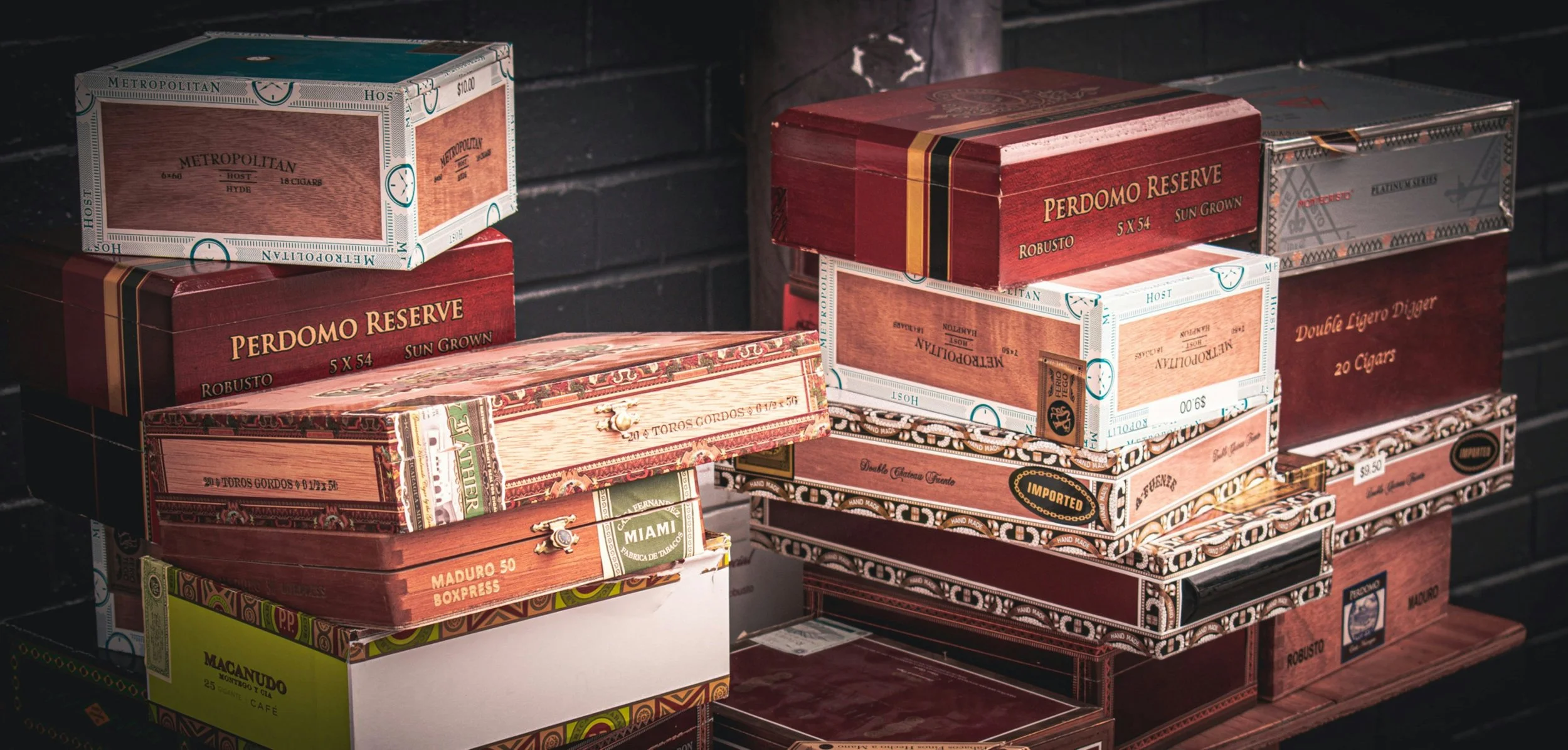
There comes a point in this hobby where the humidor stops looking like a plan and starts looking like a confession.
At first, it all feels sensible. A few daily smokes. A few “special” cigars for weekends. A box or two to age because everyone says age makes good cigars better. Then the deals start appearing. A limited release here, a trusted box there, a five-pack because you’re curious, another because it might disappear, another because the price is “too good not to.” And before long, you’re not really buying cigars to smoke. You’re buying them because buying itself has become part of the hobby.
If you spend any time around serious smokers, this topic comes up far more often than people like to admit. Forum threads about “how many is too much?” are full of people sitting on hundreds of cigars while smoking only one or two a week, openly worrying that they may have overbought or aged things past their sweet spot. Reddit threads sound even more honest: people talking about 1,000-plus cigars, admitting that deals, ageing hopes, and plain old FOMO drove the stash far beyond anything their actual smoking pace could justify.
That doesn’t automatically mean collecting is wrong. Collecting can be part of the pleasure. There is real satisfaction in building depth, in keeping some cigars long enough to watch them change, in knowing you have the right cigar for the right mood without needing to run out and buy one every time. But there is a line—and most smokers only notice it after they’ve crossed it. The line is where the collection stops serving the smoking and starts replacing it.
That’s when the hobby shifts from enjoyment to management.
Why We Collect More Than We Smoke
The psychology of cigar collecting is not complicated, even if we like to make it sound sophisticated.
Part of it is simple optimism. We buy for a future version of ourselves. The version who has more time, more discipline, more occasions worth celebrating, more patience to age things properly, more room to organise everything. The problem is that the present version of ourselves is still the one making the purchases, and he usually buys faster than the future version smokes.
Then there’s FOMO, which is probably the strongest force in the whole thing. A cigar gets praised. Someone says a batch is special. A price looks unusually good. A box date sounds worth chasing. A line may disappear. A region may dry up. A release is “limited.” None of these things are imaginary, which is why FOMO works so well in cigars. Sometimes the fear is rational. The problem is that it trains you to buy defensively. You stop asking, “Do I really want to smoke this?” and start asking, “Will I regret not buying it?”
That is how a humidor turns into a warehouse.
And ageing, ironically, makes this even easier to justify. Because ageing sounds responsible. It sounds disciplined. It sounds like patience rather than appetite. But a lot of collecting is not ageing in any meaningful sense. It is just postponement with cedar around it.
You can see that tension all through community discussions. Some smokers openly say that the fantasy of deep ageing is what pushed them into buying way more than they could realistically get through, while others point out that a stash only makes sense if it matches actual smoking habits and a real plan for rotation. Long-term storage threads often drift into the same quiet truth: ageing is useful, but only if you know what you’re ageing, why you’re ageing it, and when you plan to start smoking through it.
There is also an emotional layer nobody likes naming. Collecting can feel safer than smoking. Smoking makes the cigar disappear. Collecting preserves possibility. An unopened box feels like future pleasure still intact. Once you smoke it, that potential becomes a memory. So some smokers start protecting the collection rather than enjoying it. They keep the “good” cigars too long, waiting for the perfect moment, then replace the pleasure of smoking with the pleasure of ownership.
You even see versions of this in conversations about vintage and prestige cigars being treated like commodities—shown, stored, discussed, but not necessarily enjoyed in the most basic sense. And at the softer everyday level, the same instinct appears when someone has plenty of cigars they love, all well aged, yet still struggles to light them because each one feels “too nice” to use on an ordinary evening.
That’s the quiet trap. Cigars are one of the few luxuries designed to vanish beautifully. The moment you turn them into permanent inventory, you start asking them to do the opposite of what they’re meant to do.
Ageing With Intent Is Not the Same Thing as Hoarding
The difference between collecting and hoarding, for me, comes down to whether the cigars still have a destination.
A real collection has movement. Some cigars are resting. Some are being monitored. Some are in active rotation. Some are there because you know they improve with time. Some are there because you like having depth in a favourite line. In other words, the cigars still belong to the act of smoking, even if they are waiting their turn.
Hoarding begins when the collection becomes static. When the owner no longer knows what is where, when it was bought, how fast it should be smoked, or whether he will realistically ever get to it. That is why inventory threads become so common once people hit a certain stash size. The moment you need spreadsheets, labels, or digital tracking just to remember what you own, you are no longer simply “keeping cigars.” You are managing stock.
I’m not against that if the person actually wants that level of management. Some people love the cellar side of the hobby. They genuinely enjoy organisation, vintage tracking, and watching boxes mature over years. Fine. But even then, the collection still has to be measured against smoking pace. A stash is not automatically wise just because it is well organised.
That is the part forum smokers often come back to when they answer the “how many is too much?” question. The answer is rarely a number. It is usually some version of: too many is when your cigars will outlive your appetite, your storage, or their own peak condition.
Because yes, cigars can be over-aged for your taste. Not every box becomes deeper and more magical forever. Some level out. Some soften too much. Some lose the very character that made you buy them in the first place. And if you only smoke slowly, that matters. A stash built entirely around future ageing can quietly turn into a pile of “one day” cigars that missed their best day while you were waiting.
That is why I think the healthiest way to collect is to make every purchase answer one of three questions. Am I smoking this soon? Am I deliberately ageing this and, if so, for how long? Or am I buying this because I’m afraid I won’t be able to later? That third question is the one people try hardest not to answer honestly.
And maybe that is the whole point of the topic. Cigars invite romance, but they also invite self-deception. It is easy to call something a collection when it is really anxiety with cedar lining. It is easy to call something ageing when it is really procrastination. It is easy to call something passion when it is really fear of missing out.
A good cigar stash should make smoking easier, richer, more relaxed. It should not make you feel guilty, overwhelmed, or trapped by your own inventory. If it does, then yes—maybe we are hoarding too much.
The best collections I’ve seen never feel heavy. They feel lived in. Boxes are opened. Favourites are replaced. Aged cigars are actually smoked and judged, not worshipped from a distance. The owner knows what he has, but more importantly, he knows why he has it.
That, to me, is the difference.
Not how many cigars there are.
Whether they still belong to the smoke.