Black Tobacco: What It Really Means in Cigars (And Why It Matters)
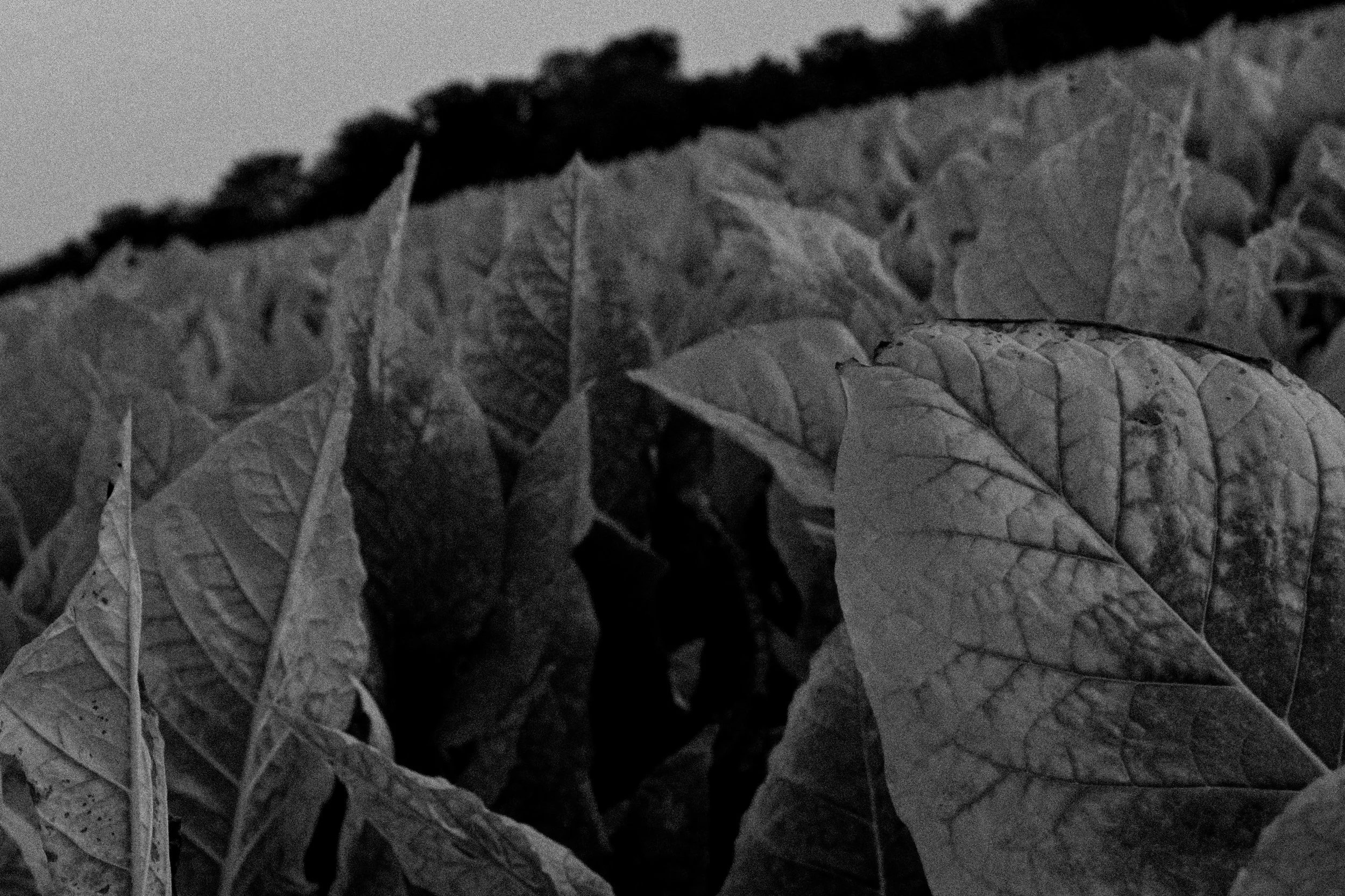
“Black tobacco” is one of those phrases that gets used like everyone already agrees on what it means. Then you dig a little and realise it can mean three different things depending on who’s talking, where they learned cigars, and what part of the cigar world they live in. Some people mean Cuban “black tobacco” in the traditional sense. Some mean dark-cured tobaccos like fire-cured or dark air-cured leaf. Some mean a style of leaf that’s been pushed deeper through fermentation until it becomes heavier, darker, and more intense in flavour.
So let’s clear the fog properly, without turning it into a lecture. Because once you understand what “black tobacco” points to, you start noticing it everywhere—why certain cigars taste darker and deeper, why some feel “strong” without tasting harsh, why some burn like a dream while others fight you, and why Cuba still uses the term in a very specific way.
The Cuban Meaning: “Tabaco Negro” and Why the Word “Black” Stuck
In Cuban cigar language, “black tobacco” often shows up as Tabaco Negro Cubano—a term that’s been used to describe Cuba’s indigenous tobacco heritage and the seed tradition behind Habanos. The official Cuban glossary uses the phrase directly, describing Tabaco Negro Cubano as Cuban black tobacco and tying it to the island’s early tobacco history.
Now, the key thing here is that “black” in this context isn’t simply “the leaf is literally black.” It’s more like an identity marker—Cuban tobacco as a distinct, historically rooted category. That’s why you’ll see it referenced in educational material about Havana cigars as the seed used for Cuban cigar production.
So when someone says “Cuban black tobacco,” they may be pointing to that tradition: the idea of Cuba’s cigar tobacco as its own lineage, refined over centuries, tied to specific growing regions, and linked to the style of leaf handling Cuba is known for. That’s one meaning of black tobacco, and it’s largely cultural and historical.
But here’s where confusion starts. Outside that Cuban glossary world, “black tobacco” often means something more literal: very dark, very heavy leaf—especially dark tobaccos that get their character from curing and fermentation choices. And that’s where the conversation becomes much more practical for smokers.
The Dark-Lean Tobacco Family: How Leaf Becomes “Black” Through Curing and Fermentation
If you’ve ever smoked a cigar and thought, this tastes dark, you’re probably responding to a mix of curing style, fermentation depth, and the natural chemistry of the leaf itself. In the broader tobacco world, “dark” tobaccos are often described in relation to curing methods like air-curing and fire-curing, which can produce leaf that’s lower in sugar and higher in nicotine, with a bolder, heavier taste profile.
Fire-curing is the most obvious example of how tobacco can become “dark” in both appearance and personality. The leaf is hung in barns and exposed to smoke from smoldering hardwood fires for extended periods, which dries and preserves it while layering in smoky, earthy, sometimes almost meaty aromatics. Fire-curing is often discussed as producing tobacco that’s lower in sugar and higher in nicotine compared to other curing methods, and it’s a classic route to that deep, “black” character people associate with heavier tobacco.
Dark air-cured leaf sits in a similar family, just without the direct smoke influence. It’s cured slowly in ventilated barns, and you’ll often see it described as bold and smooth, with that low-sugar, higher-nicotine tendency that can translate into richer, heavier smoke.
Now, here’s the cigar-specific piece that matters: most premium cigars aren’t made from “fire-cured pipe tobacco” in the obvious sense, but the logic of dark tobaccos still shows up. In cigars, darkness often comes from how far the leaf is pushed—especially in fermentation. Fermentation isn’t just “making the tobacco ready.” It’s a controlled transformation. Leaf is stacked, warmed, broken down, re-stacked, monitored. Over time, harsh edges are reduced, moisture and chemistry are balanced, and aroma can move from bright and sharp into deeper and rounder. That’s why two cigars made from similar seed can feel wildly different if one blend leans on deeply fermented, darker components and the other leans bright and aromatic. (This is also why people argue endlessly about what tastes “strong” versus what tastes “dark.” They’re not the same thing.)
That “black tobacco” feeling—dark chocolate, molasses, espresso, charred wood, leather, deep earth—often comes from a blend that uses heavier leaves (like upper primings) and/or leaf that’s been fermented long enough to turn the profile darker and more concentrated. You can get “black” character without the cigar being a nicotine bomb, and you can also get a nicotine bomb without it tasting especially dark. Smokers mix these up all the time.
And there’s another detail people feel without naming: as tobaccos get darker and heavier, smoke texture changes. It becomes denser. Mouthfeel gets thicker. Retrohale can feel more peppery or more saturated. That’s not just drama—it’s a different balance of compounds in the smoke stream, and it’s why these cigars can feel “bigger” even at the same ring gauge.
This is also where storage becomes part of the story. Darker, oilier cigars—especially the ones built on heavy tobaccos—can react differently at higher humidity. Some become sluggish burners. Some get tighter. Some show their best at slightly lower RH where combustion is cleaner. That’s why the same cigar can feel perfect for one smoker and frustrating for another. Dark tobacco is less forgiving when your humidity and pace are sloppy.
So when smokers say “black tobacco,” they might be describing the result: that deep, heavy profile you taste and feel. But there’s still one more meaning you’ll hear—especially when someone starts talking about “strong tobacco” in a more literal sense.
Strength, Nicotine, and the “Black Tobacco” Myth People Keep Repeating
Sometimes “black tobacco” gets used as shorthand for “the really strong stuff.” That’s where the conversation can drift into Nicotiana rustica, the tobacco species known for very high nicotine content compared with the more common Nicotiana tabacum used widely in premium cigar production. Sources discussing N. rustica note that it can have significantly higher nicotine levels than N. tabacum, and you’ll often see it framed as “strong tobacco.”
In some circles, “black tobacco” gets lumped into that vibe—dark leaf equals high nicotine equals strength. There’s a grain of truth, but it’s messy. Dark air-cured and fire-cured tobaccos are often associated with higher nicotine and bolder character, yes. But in cigars, the relationship between darkness and nicotine isn’t a simple straight line. Strength comes from leaf position (upper primings tend to carry more nicotine), seed variety, growing conditions, and blend design. Darkness comes from curing and fermentation decisions as much as anything else. You can build a dark-tasting cigar that’s medium in nicotine, and you can build a lighter-tasting cigar that absolutely knocks you sideways.
What I think happens is this: dark tobacco feels stronger because it’s more intense in flavour and texture. That intensity gets interpreted as nicotine strength, even when it isn’t. Then someone smokes a genuinely strong cigar that also happens to be dark, and the myth cements itself.
So how do you actually use all this as a smoker?
You stop treating “black tobacco” as a single category and start treating it as a set of signals.
If someone is using “black tobacco” in the Cuban sense, they’re talking about tradition and identity—Cuba’s tobacco lineage, not necessarily a flavour descriptor.
If someone is using “black tobacco” as a flavour descriptor, they’re usually talking about darker-cured or deeper-fermented character—espresso, molasses, earth, leather, smoky depth—and you should expect a thicker smoke texture and a profile that likes slower, cooler smoking.
If someone is using “black tobacco” to mean “strong,” don’t argue—just translate it. They probably mean “this is intense,” and intensity could be nicotine, could be flavour weight, could be both. Your job is to approach it with the right conditions: don’t over-humidify it, don’t puff too fast, and don’t smoke it on an empty stomach if you already know you’re sensitive.
And maybe the most important point of all: dark, “black” style tobaccos are some of the most rewarding leaf in the cigar world when they’re handled properly. They can be luxurious rather than aggressive. They can be sweet without tasting sugary. They can be powerful without being crude. But they demand a little respect—because they’re less likely to forgive bad lighting, sloppy cadence, or swampy storage.
That’s the real story of black tobacco. It isn’t just colour. It’s identity in one context, process in another, and intensity in the way most smokers actually mean it. Once you see those layers, the word stops being vague—and starts becoming useful.